
LVMH’s Strategic Reshuffling Signals a New Era for Luxury Retail
LVMH Moët Hennessy Louis Vuitton SE has announced a deliberate reshaping of executive leadership within two of its flagship fashion houses. Amandine Ohayon, whose career has traversed luxury beauty and high‑fashion brands, has been named chief executive officer of Givenchy, succeeding Alessandro Valenti. Valenti will now occupy a senior position at Dior Couture. This appointment is widely interpreted as a move to strengthen Givenchy’s alignment with the group’s overarching luxury strategy, ensuring that the brand remains a key contributor to LVMH’s growth trajectory.
Digital Transformation Meets Physical Presence
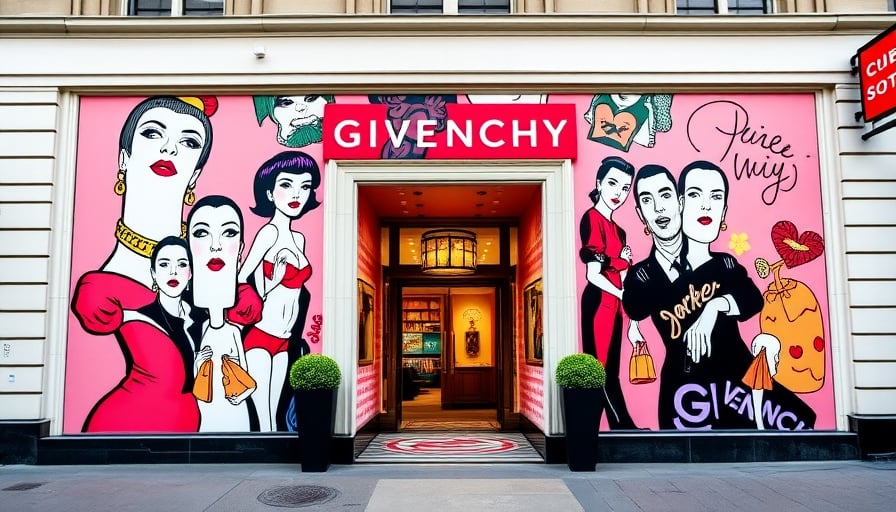
The leadership change comes at a pivotal moment for luxury brands, as consumers increasingly demand seamless experiences that blend digital convenience with the tactile allure of flagship stores. The Champs‑Élysées store—long a symbol of LVMH’s commitment to high‑visibility investment—remains central to this strategy. By positioning a seasoned executive like Ohayon at Givenchy, LVMH signals its intent to deepen the integration between digital platforms (e.g., augmented‑reality try‑ons, personalized e‑commerce) and the in‑store experience, a model that has proven successful for brands such as Burberry and Gucci.
Generational Spending Patterns and Consumer Experience
Data from recent market studies reveal that Generation Z and Millennials are prioritizing authenticity, sustainability, and immersive brand storytelling over sheer product quantity. They are willing to pay a premium for experiences that resonate with their values. LVMH’s emphasis on talent management—evidenced by the promotion of three senior human‑resources executives—highlights an internal recognition that the workforce must embody these cultural shifts. By nurturing a diverse, culturally literate team, LVMH ensures that its luxury narrative remains relevant and compelling to younger audiences.
Liquidity Management and Investment Flexibility
LVMH’s disclosure of its liquidity arrangement with ODDO BHF SCA, including a series of buying and selling transactions in the latter half of the year, demonstrates the group’s proactive stance in capital allocation. The ability to quickly adjust liquidity positions enables LVMH to seize opportunistic acquisitions, invest in emerging digital platforms, or reinforce flagship retail footprints when market conditions warrant. This financial agility is particularly important as the luxury sector navigates volatility in global supply chains and fluctuating consumer confidence.
Forward‑Looking Analysis
Hybrid Retail Models Will Expand – Givenchy’s new leadership will likely accelerate the rollout of hybrid stores that incorporate digital kiosks, virtual fitting rooms, and real‑time inventory synchronization. These models cater to Gen Z’s preference for immediacy while preserving the tactile experience that differentiates luxury goods.
Sustainability as a Differentiator – The promotion of senior HR talent suggests a strategic focus on embedding sustainability into corporate culture. Brands that transparently track carbon footprints and ethical sourcing will gain traction among eco‑conscious consumers, creating a competitive moat.
Data‑Driven Personalization – Digital transformation initiatives, backed by robust data analytics, will enable hyper‑personalized marketing campaigns. By leveraging customer journey data, LVMH can anticipate purchasing intent and tailor experiences across both online and offline channels.
Liquidity as a Strategic Tool – Continued engagement with financial partners such as ODDO BHF SCA provides LVMH with the financial flexibility to pursue strategic acquisitions or expand flagship locations in high‑traffic urban centers, thereby reinforcing its brand’s prestige and accessibility.
Talent as Capital – The emphasis on internal promotion reflects a broader industry trend: the cultivation of talent capable of navigating the intersection of luxury heritage and digital innovation. This investment in human capital is essential for sustaining brand relevance in an era where consumer expectations evolve rapidly.
Conclusion
LVMH’s recent executive reshuffles, liquidity management disclosures, and focus on talent development collectively underscore the group’s commitment to a future that balances legacy luxury with digital innovation. By aligning leadership, capital, and culture around the evolving needs of younger, experience‑seeking consumers, LVMH positions itself to capitalize on emerging market opportunities while preserving the exclusivity that defines its brand portfolio.