
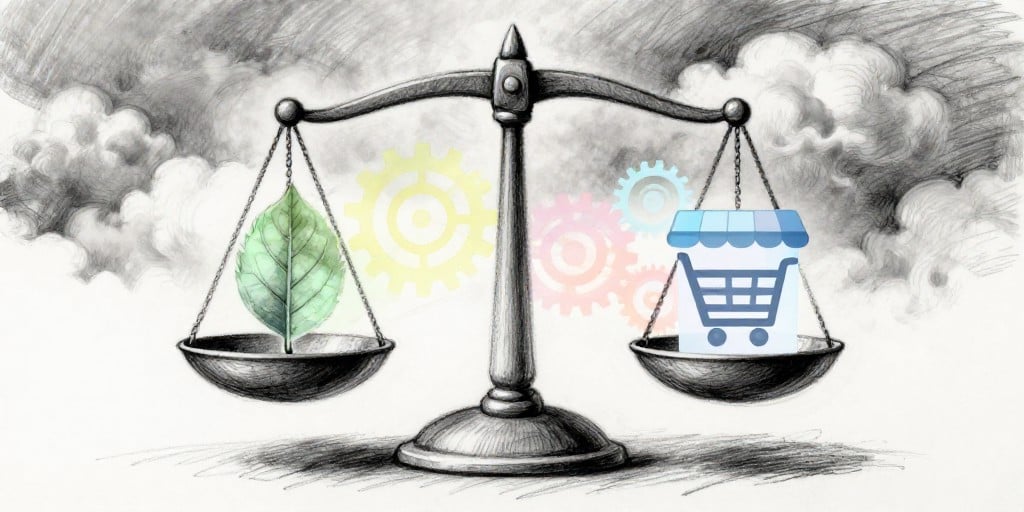
Corporate News – A Strategic Lens on Luxury, Sustainability, and Digital‑Physical Retail Synergies
In the latest week of trading, LVMH Moët Hennessy Louis Vuitton (LVMH) experienced a modest decline in its share price on the Paris exchange. The dip mirrored a broader trend of volatility in the luxury sector, yet the group’s performance remained largely consistent with its long‑term earnings trajectory. This episode offers a useful case study for how lifestyle trends, demographic shifts, and cultural movements shape business opportunities in consumer sectors, particularly where digital transformation intersects with physical retail.
1. Market Dynamics and Consumer Sentiment
The luxury market is currently navigating a dual‑shock environment:
- Macro‑economic pressure from the European Central Bank’s anticipated policy announcements, which could prompt tighter monetary conditions and dampen discretionary spending.
- Sector‑specific volatility as investors compare valuations across high‑profile peers such as Airbus and TotalEnergies.
Despite these headwinds, LVMH’s shares slipped only modestly, a sign that the conglomerate’s diversified portfolio of high‑margin fashion and heritage brands continues to command investor confidence. The company’s stable earnings in the first half of 2026 suggest that its core business models are resilient to short‑term shocks.
2. Regulatory Shifts and Sustainable Supply‑Chain Innovation
A new EU directive banning the destruction of unsold clothing and footwear poses significant operational challenges for luxury retailers. LVMH is now compelled to:
- Reassess inventory and return‑handling processes to align with the directive.
- Invest in sustainable practices such as recycling and donation pathways.
While the directive may elevate short‑term costs, it also creates a strategic advantage for brands that can demonstrate responsible stewardship. The luxury consumer—particularly the younger cohorts who prioritize ethical consumption—will likely reward companies that transparently integrate circular economy principles into their product life cycles. Consequently, LVMH’s proactive shift towards sustainability could translate into brand loyalty and a premium pricing advantage in a market where authenticity and provenance are increasingly valued.
3. Governance, Continuity, and Capital Allocation
LVMH’s appointment of Sidney Toledano to its board, following the resignation of two non‑executive directors, underscores a commitment to governance stability amid complex regulatory and market landscapes. Effective oversight is essential as the group:
- Prepares for forthcoming earnings releases that will scrutinize the impact of the EU directive and other macro‑economic factors.
- Continues its capital‑allocation strategy, balancing shareholder returns with strategic investments in digital platforms, experiential retail, and sustainable infrastructure.
The board’s renewed focus on continuity signals confidence that LVMH can navigate both the immediate challenges and the longer‑term evolution of the luxury sector.
4. Digital Transformation Meets Physical Retail
Luxury consumption is evolving from a purely transactional experience to an integrated, omnichannel journey. Key trends include:
- Personalized Digital Experiences
- AI‑driven recommendation engines and AR try‑on tools bridge the gap between online and brick‑and‑mortar touchpoints.
- Data‑rich consumer profiles enable targeted marketing that aligns with individual lifestyle narratives.
- Experiential Retail as a Differentiator
- Pop‑up installations and immersive flagship stores create memorable moments that reinforce brand narratives.
- In‑store technology—such as RFID‑based inventory management—reduces stockouts and enhances service levels.
- Sustainable Digital Channels
- E‑commerce platforms can facilitate product lifecycle transparency, allowing consumers to track sustainability credentials.
- Digital marketplaces for second‑hand luxury items foster circularity while tapping into the growing “conscious consumer” segment.
By aligning digital innovation with physical retail excellence, luxury brands can capture the spending power of Gen Z and Millennials—demographics that value authenticity, convenience, and environmental responsibility. These cohorts are also more inclined to share their purchases on social media, providing organic amplification for brands that master the intersection of storytelling and technology.
5. Forward‑Looking Analysis – Translating Societal Change into Market Opportunities
| Societal Shift | Business Opportunity | Strategic Action |
|---|---|---|
| Rise of the Conscious Consumer | Premium on sustainable products | Expand recycling and donation programs; certify supply chains |
| Digital‑First Lifestyle | New revenue streams from omnichannel services | Invest in AI, AR, and data analytics for personalized engagement |
| Economic Uncertainty | Demand for value‑add experiences | Enhance experiential retail; offer flexible financing options |
| Regulatory Tightening | First‑mover advantage in compliance | Adopt circular economy practices; lobby for supportive policy frameworks |
The convergence of these forces suggests that LVMH, and luxury peers more broadly, will need to:
- Accelerate digital capabilities that complement high‑touch physical experiences.
- Embed sustainability into the core business model, transforming regulatory compliance into a competitive differentiator.
- Leverage governance structures to ensure agile decision‑making in response to rapid market shifts.
In practice, this could involve launching subscription services for curated fashion boxes, expanding online second‑hand marketplaces with verified authenticity, or deploying blockchain solutions to guarantee provenance. Each initiative not only mitigates risk but also opens new revenue channels that resonate with contemporary consumer values.
6. Conclusion
LVMH’s recent trading activity reflects a firm poised between cautious adaptation and proactive opportunity‑seeking. By harmonizing digital transformation with physical retail innovation, embedding sustainability into its operational DNA, and maintaining robust governance, LVMH is well positioned to turn evolving lifestyle trends, demographic shifts, and cultural movements into tangible market advantages. As the luxury sector continues to navigate regulatory changes and macro‑economic uncertainties, the company’s strategic focus on long‑term growth will likely sustain its market leadership while delivering value to stakeholders and consumers alike.