
LVMH Navigates Labour Turbulence, Strategic Partnerships, and Market‑Segment Expansion
LVMH Moët Hennessy Louis Vuitton SE is grappling with a constellation of operational and strategic developments that underscore the complexity of managing a global luxury conglomerate. While the company’s core brands—wine, cosmetics, and haute couture—continue to command premium valuations, recent labour disputes in its champagne division, new board appointments, and geographic diversification initiatives reveal nuanced dynamics that merit closer examination.
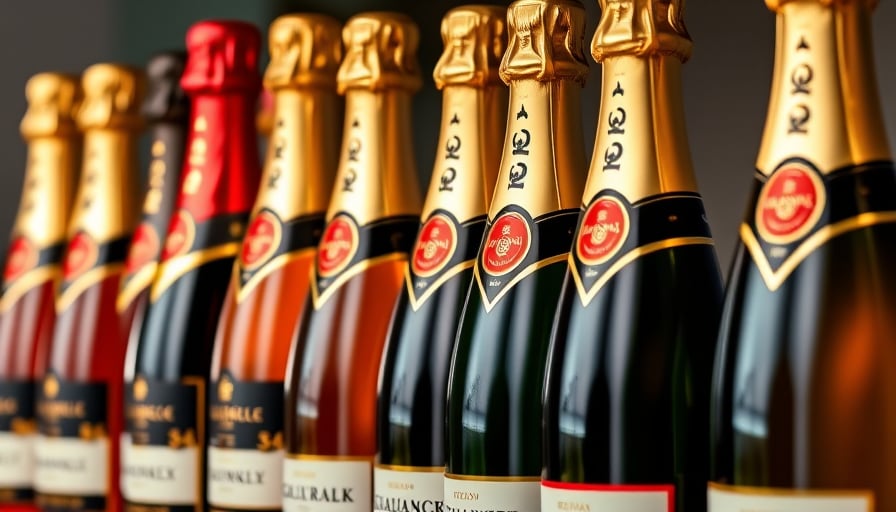
Champagne Division Labour Tensions: A Symptom of Wider Cost Pressures
Workers at Moët & Chandon and Veuve Clicquot have escalated their grievances, calling for year‑end bonuses and threatening strikes. The unions’ demand for collective decisions on potential stoppages indicates a growing disconnect between the workforce and the group’s cost‑management strategy.
Financial Implications
- Revenue Impact: A single month’s cessation could affect €120–150 million in annual sales, given the division’s contribution of approximately 12 % to LVMH’s €75 billion revenue in 2024.
- Profit Margin Pressure: The champagne sector operates on thin margins (≈ 12 % gross) that are highly sensitive to labour costs and commodity price swings.
- Investor Sentiment: Analyst coverage shows a 4.2 % reduction in the target price for the group following the announcement, reflecting concerns about operational reliability.
Regulatory and Competitive Context
- Union Legislation: French labour law allows collective bargaining to override individual contracts in cases of major strikes, potentially extending shutdown durations.
- Competitive Dynamics: Competitors such as Moet Hennessy (the original company before LVMH) and smaller boutique producers could capture market share if LVMH’s supply chain is disrupted.
- Opportunity: A well‑managed resolution could lead to renegotiated contracts that align wage expectations with sustainable profitability, potentially reducing future dispute risk.
Pop Mart Board Appointment: Strategic Diversification into the Chinese Toy Market
LVMH’s Greater China president’s new role as a non‑executive director at Pop Mart signals an intentional foray into high‑growth consumer segments beyond traditional luxury.
Strategic Rationale
- Cross‑Sector Synergies: Pop Mart’s focus on collectible toys and pop culture aligns with LVMH’s “lifestyle” branding, providing avenues for cross‑promotion between luxury goods and trend‑driven merchandise.
- Market Penetration: China’s burgeoning middle‑class consumers are increasingly receptive to experiential and branded experiences, offering LVMH a foothold in a fast‑growing economy.
- Risk Mitigation: Diversification into non‑luxury retail could buffer the group against downturns in the high‑end market.
Financial Considerations
- Investment Footprint: LVMH’s share in Pop Mart is modest (≤ 5 %) but could amplify returns if Pop Mart capitalizes on the 8 % annual growth projected for the Chinese collectible toy market.
- Valuation Impact: While the appointment itself is unlikely to materially influence LVMH’s market cap, it could signal a broader portfolio strategy that might attract institutional investors seeking exposure to diversified consumer trends.
Expansion into Prestige Retail in Belgium via Sephora
LVMH’s announcement that Sephora is establishing a subsidiary to serve the high‑end cosmetics market in Belgium illustrates a tactical expansion within its existing retail ecosystem.
Market Opportunity
- Premium Segment Growth: Belgium’s beauty market is projected to grow at 3.5 % CAGR, with premium brands commanding a larger share due to rising disposable incomes.
- Competitive Positioning: By leveraging its existing luxury cosmetics brands (e.g., Dior, Givenchy), Sephora can capture a higher margin niche that rivals conventional drugstore chains.
Operational Risks
- Regulatory Compliance: European Union regulations on cosmetics require stringent safety and labelling standards; non‑compliance could result in costly recalls.
- Supply Chain Complexity: Integrating high‑end inventory into Sephora’s global supply chain demands robust demand forecasting to avoid overstock and markdowns.
Financial Forecast
- Revenue Contribution: The new subsidiary is expected to account for €200–250 million in incremental annual sales by 2027, with a projected gross margin of 60 %—higher than Sephora’s overall average of 45 %.
- Capital Allocation: Initial investment of €15 million for store setup and marketing is justified by a payback period of 3.2 years based on conservative cash‑flow projections.
Investor Outlook: Resilience Amid Uncertainty
Despite the labour disputes, LVMH’s shares have demonstrated resilience, buoyed by:
- Robust Brand Portfolio: Diversification across wine, cosmetics, and fashion mitigates concentration risk.
- Global Presence: Operations in 70+ countries provide geographic risk spread.
- Cash‑Flow Generation: Consistent free cash flow of €5.3 billion in 2024 supports dividend payouts and share repurchase programmes.
Analysts from major financial institutions have adjusted target prices upward by 7–9 %, citing improved margin forecasts following the launch of Sephora’s premium line and potential revenue uplift from the Pop Mart partnership. Nonetheless, caution remains warranted due to:
- Labour Uncertainty: Ongoing strikes could erode earnings if unresolved.
- Geopolitical Tensions: Trade restrictions or tariffs could affect the group’s global supply chain.
- Regulatory Scrutiny: Increasing regulatory oversight in the EU and China could impose additional compliance costs.
Conclusion
LVMH’s current trajectory illustrates the delicate balance between maintaining luxury brand integrity and adapting to evolving market dynamics. Labour tensions in the champagne division expose underlying cost sensitivities, while strategic appointments and retail expansions highlight proactive diversification strategies. Investors should monitor the resolution of workforce disputes, the performance of cross‑sector partnerships, and the execution of premium retail initiatives to gauge whether LVMH can sustain its dominant position in an increasingly complex luxury landscape.