LVMH’s Strategic Equilibrium in an Era of Digital and Demographic Transition
LVMH Moët Hennessy Louis Vuitton (LVMH) has continued to demonstrate resilience in an environment of heightened volatility across the luxury sector. The conglomerate’s latest disclosures reveal a steady performance across its diversified brands, with no dramatic swings in sales or valuation reported during the most recent period. Analysts highlight that the share price has remained robust, underscoring sustained investor confidence despite broader uncertainty within the luxury market.
Digital Transformation Meets Physical Retail
In a separate but strategically significant development, LVMH has joined a tokenisation initiative launched by Nasdaq‑backed Payward. The platform offers blockchain‑based representations of a range of high‑profile European equities, positioning LVMH among the cadre of established firms exploring digital asset platforms. While the move does not alter the company’s fundamental business model, it signals an openness to innovative trading mechanisms that may enhance liquidity, broaden investor access, and reinforce LVMH’s reputation as a forward‑looking market participant.
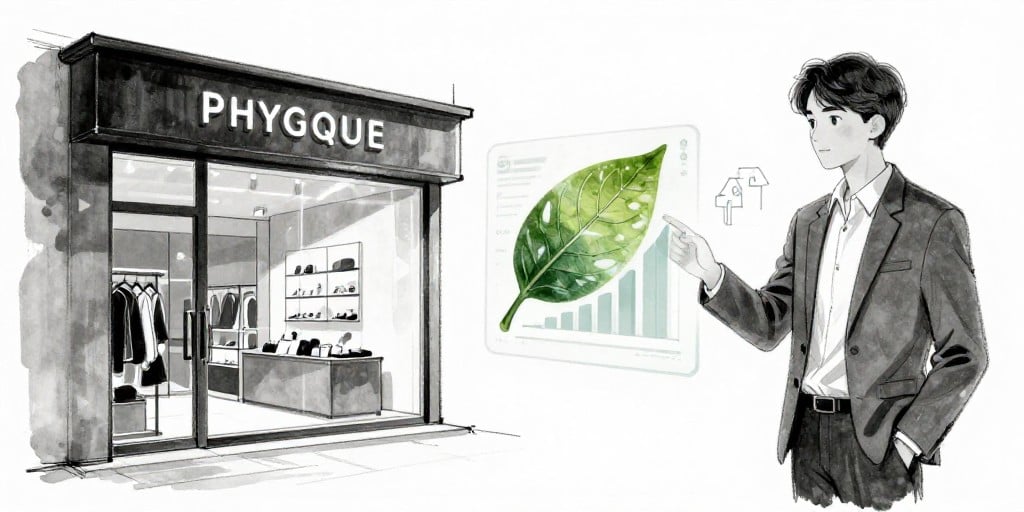
The intersection of digital transformation and physical retail remains a key driver of value creation for luxury conglomerates. Consumers increasingly seek seamless omnichannel experiences, blending the tactile allure of brick‑and‑mortar stores with the convenience of e‑commerce, augmented reality, and blockchain‑enabled provenance. LVMH’s participation in tokenisation aligns with this trend, potentially opening new avenues for fractional ownership of high‑value assets and creating novel revenue streams tied to digital scarcity and authenticity.
Generational Shifts and Cultural Movements in China
LVMH’s footprint in Greater China illustrates the evolving dynamics of luxury consumption. Flagship brands such as Louis Vuitton, Moët & Chandon, and Dior reported modest declines in retail sales, reflecting a shift in consumer preferences. In contrast, brands like Coach and Ralph Lauren have achieved growth by appealing to younger shoppers who prioritize value, practicality, and lifestyle relevance. This divergence underscores a broader trend in the region: luxury demand is becoming increasingly segmented and price‑sensitive, driven by a generation that values experience and authenticity over brand pedigree alone.
The cultural movement toward “luxury for all” – where exclusivity is balanced with accessibility – presents both challenges and opportunities. For LVMH, this means refining its product mix, pricing strategies, and marketing narratives to resonate with a younger, digitally native audience that is less tolerant of overt opulence. It also offers the chance to expand into emerging categories such as sustainable luxury, experiential retail, and personalized services that can differentiate the conglomerate in a crowded marketplace.
Corporate Governance and Market Positioning
On the governance front, LVMH has maintained a stable executive lineup, with no significant leadership changes announced. The company’s seasoned management team continues to steer strategic initiatives, ensuring that heritage brands coexist with emerging market dynamics. Investors remain vigilant about how LVMH balances its legacy portfolio with the need to adapt to shifting consumer behaviors, particularly in fast‑growing Asian markets where cultural and demographic factors evolve rapidly.
Forward‑Looking Analysis
The convergence of digital innovation, generational spending patterns, and cultural shifts is reshaping consumer experiences in the luxury sector. LVMH’s measured approach to growth – emphasizing diversification through digital channels while preserving its core heritage brands – positions it well to capture emerging opportunities.
Digital Asset Platforms: By embracing tokenisation, LVMH can explore new investment vehicles that appeal to tech‑savvy investors and broaden access to its high‑value equities. This could generate incremental revenue and strengthen shareholder value.
Omnichannel Retail: Investing in technologies that unify online and offline touchpoints will enable the conglomerate to deliver personalized, immersive shopping experiences that align with the expectations of younger consumers.
Sustainable and Inclusive Luxury: Aligning product development with sustainability and inclusivity trends will resonate with socially conscious buyers and mitigate reputational risks associated with traditional luxury narratives.
Market‑Specific Adaptation: In China, tailoring product assortments, pricing, and marketing strategies to reflect the preferences of Gen Z and Millennial consumers will be crucial for regaining market share and driving growth.
In conclusion, LVMH’s recent activities demonstrate a cautious yet opportunistic stance toward growth. By leveraging digital transformation, responding to generational shifts, and maintaining robust corporate governance, the conglomerate is poised to navigate the evolving landscape of global luxury retail while safeguarding its long‑term value proposition.