
Operational Adjustments Reflect Lufthansa’s Strategic Risk Management
Deutsche Lufthansa AG has implemented a series of flight‑operation modifications in response to evolving geopolitical dynamics and domestic logistical considerations. The German carrier announced a temporary suspension of services to Tehran, with a planned resumption only after the end of January. The pause follows escalating unrest in Iran and aligns with Lufthansa’s broader strategy to mitigate exposure to regional instability.
In addition to the route suspension, Lufthansa’s European network is undergoing logistical realignment. Eurowings, the low‑cost subsidiary operating under the Lufthansa Group, has returned to Terminal 2 at Munich Airport. The relocation is anticipated to reduce transfer times for passengers, thereby enhancing the overall passenger experience and improving operational efficiency.
1. Geopolitical Risk Assessment
1.1. Iranian Unrest and Flight Safety
The decision to suspend flights to Tehran reflects a rigorous assessment of security conditions and the potential for disruptions to aircraft operations, crew safety, and passenger confidence. The German carrier’s risk model incorporates intelligence inputs, government advisories, and historical data on political unrest to determine the optimal balance between maintaining connectivity and ensuring safety.
1.2. Impact on Revenue and Network Planning
While the suspension limits short‑term revenue from the Tehran route, it preserves the airline’s long‑term network integrity. The postponement of services until after January allows the company to monitor the situation, adjust flight frequencies accordingly, and avoid the financial penalties associated with abrupt cancellations or last‑minute route withdrawals.
2. Terminal Realignment at Munich Airport
2.1. Efficiency Gains
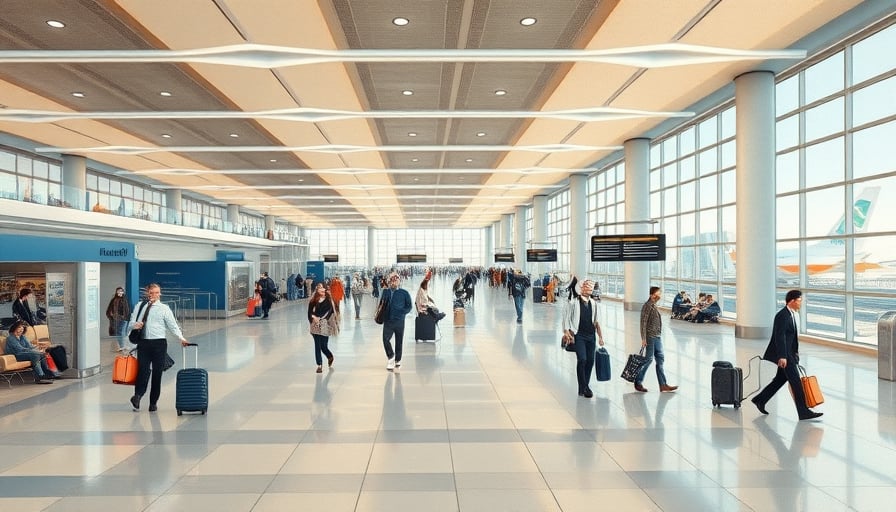
Eurowings’ move to Terminal 2 is expected to shorten transfer times for passengers connecting between long‑haul and short‑haul flights. The terminal’s design facilitates seamless passenger flow, reducing dwell times and enhancing satisfaction—an important competitive differentiator in the crowded European low‑cost market.
2.2. Cost Considerations
Centralizing operations in a single terminal may lower ground handling costs, streamline staffing requirements, and improve load‑factor management. The change aligns with Lufthansa’s broader cost‑control initiatives, which aim to strengthen the airline’s financial position amidst rising fuel and labor expenses.
3. Comparative Analysis Across Sectors
3.1. Aviation and Energy
Both sectors face volatility linked to geopolitical events. Energy companies mitigate risk through hedging strategies, while airlines employ dynamic route planning. The commonality lies in the need for rapid data acquisition and scenario planning to protect margins.
3.2. Transportation and Hospitality
Logistical adjustments, such as terminal realignment, are mirrored in hospitality through hotel consolidation or distribution‑channel optimization. These measures reduce operational complexity and improve customer experience, reinforcing brand reputation and loyalty.
4. Macro‑Economic Implications
4.1. Currency Fluctuations
The airline’s exposure to the Iranian rial and potential sanctions may influence fuel procurement contracts and leasing agreements. Diversifying suppliers and incorporating currency hedges can cushion the impact of adverse exchange movements.
4.2. Demand Elasticity
Passenger demand in Europe remains resilient, yet sensitive to economic indicators such as consumer confidence and disposable income. By enhancing operational efficiency, Lufthansa positions itself to capitalize on short‑term demand surges while managing capacity during downturns.
5. Conclusion
Deutsche Lufthansa AG’s recent operational adjustments illustrate a disciplined approach to risk management and customer service enhancement. The temporary halt of Tehran flights, coupled with the strategic terminal realignment in Munich, underscores the airline’s commitment to balancing safety, market demands, and profitability. By applying analytical rigor across diverse industry contexts, Lufthansa maintains its competitive position and reinforces its reputation for reliability within the global aviation landscape.