Deutsche Lufthansa’s Strategic Expansion and Operational Response to Kerosene Supply Constraints
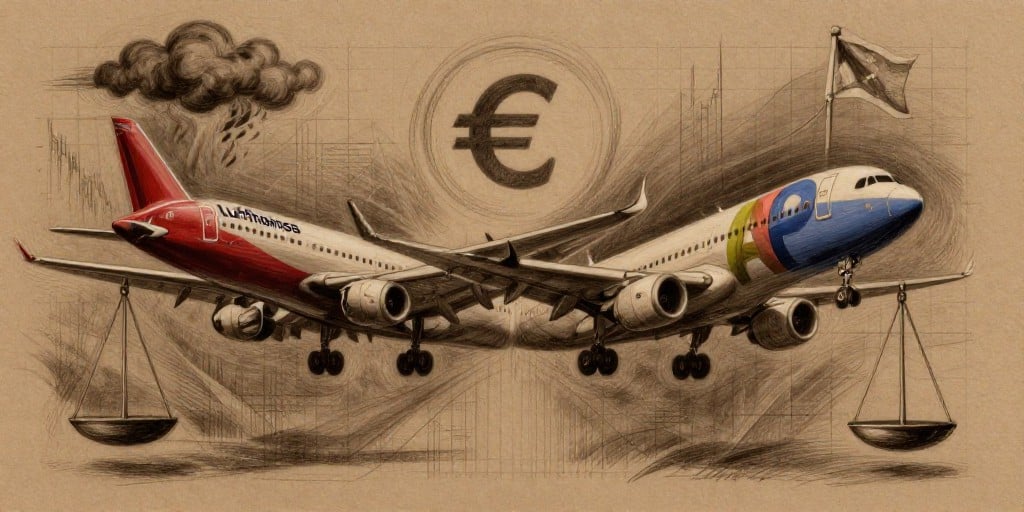
Deutsche Lufthansa’s bid for up to 49.9 % of TAP Air Portugal, announced on 15 October, represents a calculated maneuver to deepen the German carrier’s footprint in key growth markets. The €1.2 billion transaction aligns with Lufthansa’s long‑term strategy of building a pan‑European hub that extends into the Atlantic, offering direct connectivity to Brazil, Portuguese‑speaking African nations, and the United States.
Underlying Business Fundamentals
Financially, the TAP stake is modest relative to Lufthansa’s €42 billion revenue base but significant for network diversification. The acquisition is structured as a minority stake, preserving TAP’s operational autonomy while granting Lufthansa preferential access to its slot allocations at Lisbon, Porto, and key secondary airports. The deal is expected to generate annual incremental revenue of approximately €200 million by 2028, assuming a 2 % lift in passenger throughput and a modest increase in cargo volumes.
From a regulatory standpoint, the Portuguese government’s decision to favor Lufthansa over other bidders—most notably Air France‑KLM and Iberia—highlights a shifting geopolitical landscape. The European Commission has signaled a willingness to allow cross‑border ownership in aviation, provided that market dominance remains within statutory limits. Lufthansa’s minority stake sidesteps potential antitrust scrutiny while still positioning the carrier to benefit from TAP’s existing route licences and bilateral agreements.
Competitive Dynamics
TAP’s existing network serves as a natural bridge to Brazil, where the airline enjoys a 50 % market share on routes from Lisbon to São Paulo and Rio de Janeiro. Lufthansa can leverage this to tap the growing demand for business and leisure travel between Europe and the Americas. However, the Portuguese‑speaking African market remains underdeveloped, with limited capacity and strong competition from local carriers such as TAAG and Ethiopian Airlines. Lufthansa’s entry may force price wars or spur route rationalisation, potentially eroding profitability in the short term.
Conversely, the acquisition could force competitors to seek alliances or code‑share agreements to retain market share. The risk of a “hub‑and‑spoke” model being replicated by rival carriers could erode route exclusivity, reducing the competitive advantage of the TAP stake.
Fuel Supply Challenge at Frankfurt Airport
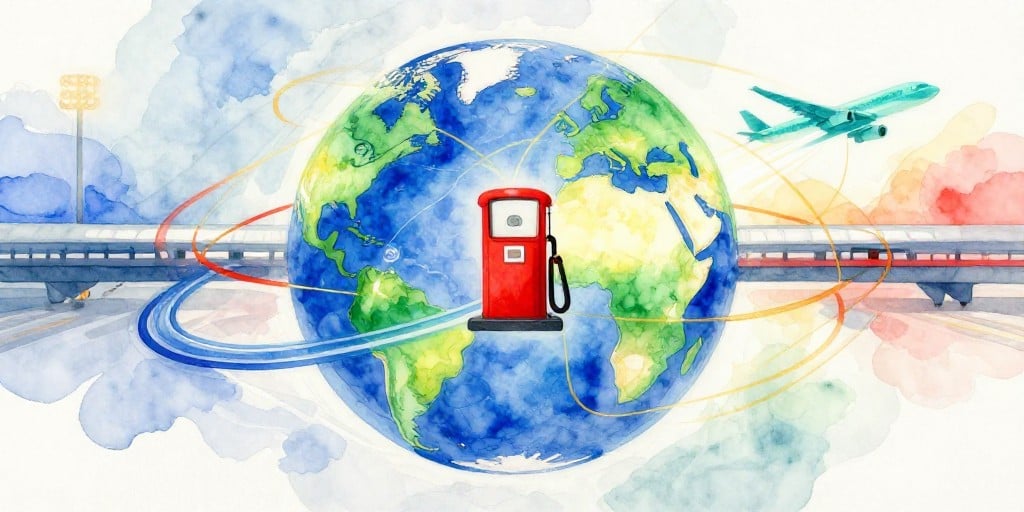
On the same day, Frankfurt Airport announced temporary restrictions in kerosene supply due to reduced pipeline capacity and low river levels affecting tanker access. Lufthansa’s precautionary response—arranging additional fuel loading for selected flights and instructing pilots to carry extra fuel on short‑ and medium‑haul services—demonstrates operational resilience. The airline’s proactive measures mitigated the risk of flight cancellations, preserving passenger confidence and maintaining on‑time performance metrics.
From a cost perspective, the extra fuel required for “fuel dumping” can add €200–€300 per aircraft per day during the restriction period. However, Lufthansa’s fleet mix, comprising fuel‑efficient Airbus A320neo families and newer Boeing 737‑800s, likely moderates the incremental cost impact. Still, the incident underscores the vulnerability of major hubs to upstream supply chain shocks, raising questions about the robustness of the current pipeline infrastructure and the need for diversified refueling logistics.
Market Reactions
Lufthansa’s shares fell modestly following the announcements. The decline reflected market participants’ concern over the immediate cost implications of the TAP acquisition—including integration expenses, potential regulatory compliance costs, and the short‑term fuel surcharge associated with the Frankfurt kerosene shortage. The stock movement was, however, muted relative to broader industry peers, suggesting that investors view Lufthansa’s strategic expansion as a long‑term value driver outweighing short‑term operational hiccups.
Overlooked Trends and Emerging Risks
- Geopolitical Risk Amplification – The partnership with TAP exposes Lufthansa to political risks in Portugal and Brazil, including currency volatility, regulatory changes, and bilateral air service agreements that could shift unfavourably.
- Sustainability Pressure – As environmental scrutiny intensifies, the additional fuel consumption linked to the kerosene restrictions could trigger regulatory fines or reputational damage if Lufthansa fails to offset emissions promptly.
- Infrastructure Bottlenecks – The pipeline maintenance incident reveals a systemic risk in European fuel logistics that could recur, especially during extreme weather events. A diversified fuel sourcing strategy may become essential.
- Competitive Response – Rival carriers may accelerate alliances with TAP or seek other minority stakes in Portuguese carriers, potentially diluting Lufthansa’s influence and creating a more fragmented market structure.
Opportunities
- Network Synergies – Lufthansa can introduce premium‑class services on TAP’s routes, leveraging its Star Alliance network to increase yield management and customer loyalty.
- Fleet Modernisation – The acquisition may unlock capital to accelerate the phasing out of older aircraft across both airlines, improving fuel efficiency and reducing maintenance costs.
- Digital Integration – Shared IT platforms can streamline operations, enhance passenger data analytics, and offer co‑branded loyalty programmes that boost cross‑sell opportunities.
In conclusion, while Lufthansa’s purchase of a 49.9 % stake in TAP Air Portugal represents a bold strategic pivot into the Atlantic corridor, the concurrent fuel‑supply challenges at Frankfurt highlight operational fragilities that could erode short‑term profitability. A careful balance between aggressive network expansion and vigilant risk management will determine whether Lufthansa can convert this acquisition into sustained value creation amid an increasingly competitive and regulatory‑heavy aviation landscape.