
Deutsche Lufthansa AG Pursues Mediation with Pilot Union While Expanding In‑Flight Connectivity
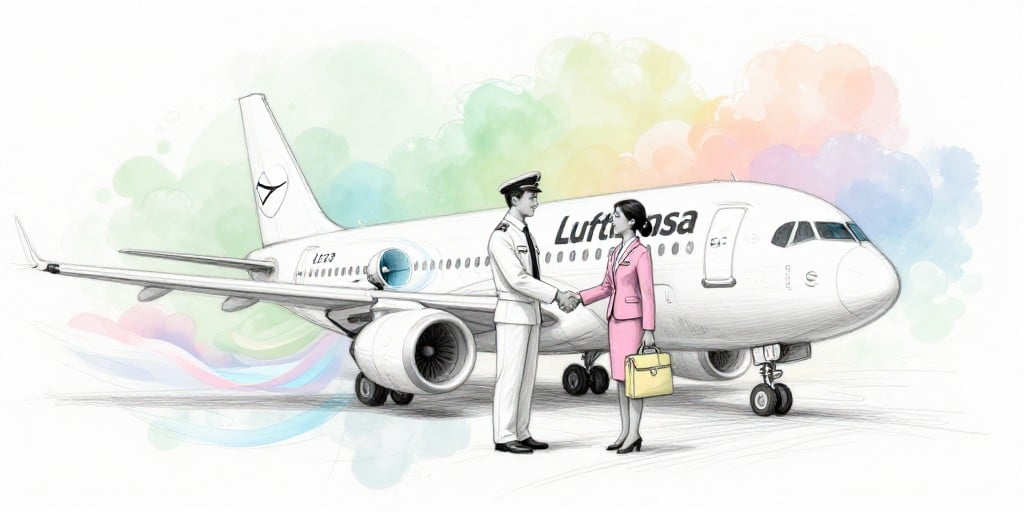
Deutsche Lufthansa AG has announced a strategic step toward resolving labor tensions that have plagued its operations in recent months. The German carrier will enter a mediation process with the cockpit union, a move designed to avert further industrial action and stabilize its flight schedule. Concurrently, Lufthansa is rolling out an industry‑wide upgrade to its in‑flight connectivity, installing Starlink broadband across its entire fleet. This dual‑pronged initiative underscores the airline’s focus on operational continuity, passenger experience, and workforce stability amid rising costs and geopolitical uncertainty.
Mediation as a Stabilising Tool
The announcement follows a series of pilot strikes that disrupted flights worldwide, eroding customer confidence and straining the airline’s supply chain. By engaging in mediation, Lufthansa signals its willingness to negotiate with the pilots’ representatives and address their grievances without resorting to additional strikes. The company has also declared that it will not pursue further strike actions at this time, effectively closing a chapter on the most disruptive labor disputes in recent history.
From a corporate governance perspective, mediation offers several benefits:
- Risk Mitigation: Reduces the likelihood of costly operational disruptions, such as missed flights and revenue loss.
- Reputation Management: Demonstrates a commitment to constructive dialogue, potentially improving stakeholder perception among passengers, investors, and regulators.
- Cost Containment: Avoids the high expenses associated with strike‑related operational disruptions and potential compensation claims.
While the mediation process remains ongoing, the airline’s leadership stresses that the agreement should mitigate immediate risks to workforce morale and operational stability.
Starlink Broadband as a Competitive Differentiator
Parallel to labor negotiations, Lufthansa is investing heavily in its digital service offering. The airline’s plan to equip every aircraft with Starlink broadband reflects a broader trend in the aviation industry where reliable, high‑speed connectivity has become a key differentiator for passenger satisfaction. The upgrade will enable passengers to engage in high‑bandwidth activities such as video streaming, real‑time gaming, and secure business communications—capabilities that have become standard expectations, especially among premium and corporate travelers.
Key implications of this move include:
- Enhanced Customer Experience: Directly addresses passenger demand for in‑flight connectivity, potentially increasing loyalty and ancillary revenue.
- Competitive Positioning: Positions Lufthansa favorably against rivals that have already adopted satellite-based solutions, such as Virgin Atlantic’s use of Gogo or Emirates’ recent Starlink trials.
- Revenue Diversification: Opens new avenues for monetization through tiered connectivity packages or data‑driven services targeting corporate clients.
The Starlink implementation also aligns with broader industry shifts toward satellite connectivity, driven by the limitations of traditional air‑borne Wi‑Fi solutions and the increasing appetite for seamless digital experiences.
Economic Context and Share Price Pressure
Financially, Lufthansa has faced a challenging environment, with its share price under pressure from two primary drivers:
Fuel Cost Volatility: Fluctuating jet‑fuel prices erode profit margins and increase operating expenses. As a global carrier, Lufthansa is particularly vulnerable to spikes in energy costs, which can quickly erode bottom‑line profitability.
Middle‑East Conflict‑Related Uncertainties: Ongoing geopolitical tensions in the Middle East have raised concerns over route security, aircraft safety, and passenger demand in key markets. Unresolved negotiations related to the conflict further amplify cost uncertainties and market volatility.
Despite these headwinds, Lufthansa’s management has highlighted that the mediation agreement should provide a buffer against immediate workforce disruptions. By securing a more stable labor environment, the airline can better focus on cost management and operational efficiency initiatives.
Cross‑Sector Insights and Broader Economic Trends
Lufthansa’s recent moves illustrate how firms across different industries confront similar challenges:
- Labor Relations: Just as airlines negotiate with pilot unions, manufacturing firms often mediate with skilled worker associations to prevent costly shutdowns. Effective mediation can preserve productivity and protect market share.
- Technology Adoption: The integration of satellite connectivity parallels the shift to cloud computing and edge technologies in other sectors. Companies that adopt robust digital infrastructure can differentiate themselves and create new revenue streams.
- Geopolitical Risk Management: Airlines and global logistics providers alike must navigate geopolitical risks that affect route viability and supply chain stability. Diversification of routes and hedging strategies are common countermeasures.
These parallels underscore that fundamental business principles—such as proactive stakeholder engagement, strategic technology investment, and robust risk mitigation—remain critical across sectors, especially in volatile economic climates.
Conclusion
Deutsche Lufthansa AG’s decision to enter a mediation process while simultaneously advancing its in‑flight connectivity portfolio reflects a comprehensive strategy aimed at balancing operational resilience with competitive innovation. By addressing labor disputes constructively and investing in satellite broadband, Lufthansa positions itself to navigate fuel cost volatility and geopolitical uncertainties more effectively. The company’s actions exemplify how firms in capital‑intensive industries can maintain continuity, enhance customer experience, and stabilize workforce relations amid external economic pressures.