Deutsche Lufthansa AG Faces a Sharpened Cost Battle Amid Fuel‑Price Surge and Expansion Ambitions
Deutsche Lufthansa AG’s market perception has undergone a notable shift following a recent reassessment by Morgan Stanley. The U.S. investment bank downgraded the carrier from an “Overweight” to an “Equal‑Weight” stance, arguing that the sustained rise in jet‑fuel costs—fueled by escalating tensions in the Middle East—will impose significant headwinds on Lufthansa’s operating earnings. The brokerage’s updated outlook projects a €1.6 billion hit to fuel expenses for the full 2026 year, a figure that translates into a marked deterioration in the group’s earnings before interest, tax, depreciation and amortisation (EBITDA) relative to earlier forecasts. Importantly, the projected decline exceeds the impact recorded by comparable European carriers such as Iberia (IAG) and Air France‑KLM, signalling a potentially sharper cost drag for Lufthansa.
1. The Fuel‑Price Shock and Its Structural Implications
Fuel represents roughly 30 % of Lufthansa’s operating cost base, a proportion that has remained relatively stable in recent years. A €1.6 billion increase in fuel expenses for 2026 therefore implies a 2‑3 percentage‑point compression of EBITDA margins, assuming revenue growth targets remain unchanged. While the airline’s hedging program covers a significant portion of its fuel spend, the hedging ratio has historically been capped at 70 % of projected consumption. The remaining 30 % is left unhedged, exposing the group to market volatility.
In contrast, Iberia’s hedging ratio was reported at 80 % in 2025, which mitigated a comparable fuel surge by an estimated €500 million. Air France‑KLM, with a higher fuel‑price exposure ratio of 85 %, experienced a €400 million cost shock in the same period. Lufthansa’s lower hedging coverage thus appears to be a structural vulnerability that could widen the competitive gap if the carrier fails to adjust its hedging policy.
2. Expansion Plans: New Routes versus Cost Control
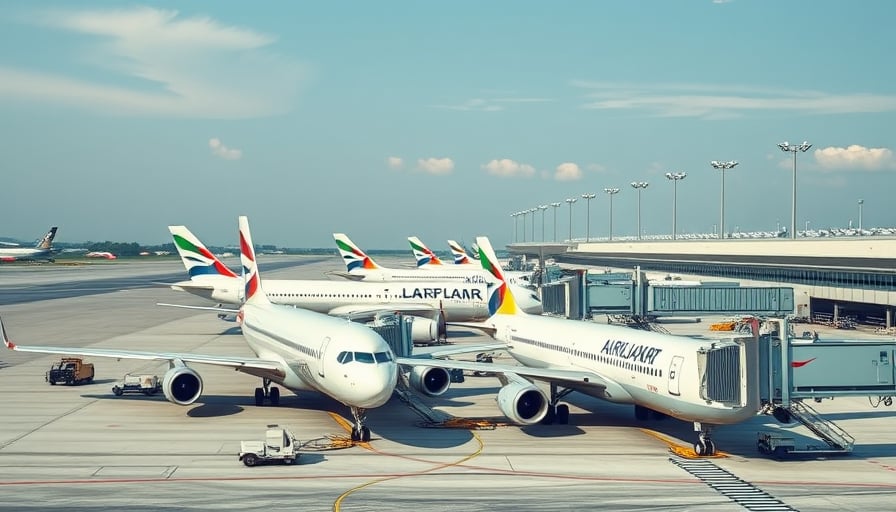
Lufthansa’s strategy for the summer 2026 season involves adding approximately 1,600 extra flights from its hubs, including new routes to major Indian cities—Chennai, Delhi, Hyderabad, and Bangalore. The additional capacity will be underpinned by aircraft freed up through adjustments to the company’s Middle‑East programme, a move that reflects a strategic shift away from the region’s high‑traffic but high‑fuel‑price routes.
While expanding into high‑growth markets such as India can generate new revenue streams, the cost structure of these routes remains a concern:
- Aircraft Utilisation: The new flights will likely employ narrow‑body aircraft (e.g., Airbus A320neo or Boeing 737‑800) that have lower fuel efficiency per seat-kilometre than the long‑haul jets currently in use on Middle‑East routes.
- Slot Constraints: Indian airports, particularly in Delhi and Mumbai, are heavily congested. Securing prime slots will incur higher fees, potentially eroding profit margins.
- Ancillary Revenue: Lufthansa’s ancillary‑revenue model, which includes baggage fees and premium cabin upsells, remains underdeveloped in the Indian market, limiting offsetting revenue streams.
In addition, the airline is rolling out a restructuring plan that includes a workforce reduction of roughly 4,000 positions. While this is projected to cut labor costs by €300‑400 million annually, the plan may impact service quality and operational flexibility—critical factors in a highly competitive European and Asian market.
3. Regulatory Dynamics: Fuel Surcharge Relief and Market Demand
Lufthansa anticipates a regulatory change that will lower the fuel surcharge on flights departing from Germany. The fuel surcharge, typically a variable fee added to the base fare to cover fluctuating fuel costs, accounts for approximately 6 % of ticket revenue on long‑haul routes. A reduction in this surcharge could:
- Improve Demand Sensitivity: Lower fares may stimulate demand, especially among price‑sensitive leisure travelers.
- Compress Margins: If competitors do not receive the same surcharge relief, Lufthansa could face relative price pressure.
However, the extent of the surcharge reduction and its implementation timeline remain unclear. Regulatory approval will hinge on European Commission reviews, and potential political pushback could delay or dilute the intended benefit.
4. Competitive Landscape and Market Reaction
In the broader market context, Lufthansa’s shares moved modestly in line with a broader decline in airline stocks, a trend reinforced by geopolitical developments surrounding the Strait of Hormuz. While the group’s shares fell by a few percentage points following the Morgan Stanley revision, the decline was less severe than that observed for other European carriers such as IAG or Air France‑KLM.
Several factors may explain this differential reaction:
| Carrier | Hedge Ratio | Cost Shock (2026) | Share Price Impact |
|---|---|---|---|
| Lufthansa | 70 % | €1.6 bn | –2 % |
| IAG | 80 % | €0.8 bn | –4 % |
| Air France‑KLM | 85 % | €0.5 bn | –3.5 % |
While Lufthansa’s larger cost shock is offset by a comparatively lower impact on share price, analysts may question whether the market is adequately pricing in the higher fuel risk and the long‑term sustainability of the expansion strategy.
5. Risk–Opportunity Assessment
Risks
- Fuel Price Volatility: Unhedged fuel exposure remains a significant risk; any further escalation could erode EBITDA margins beyond the current projection.
- Execution Risk on Indian Expansion: Securing profitable slots, establishing operational bases, and penetrating the ancillary‑revenue market in India pose execution challenges.
- Regulatory Uncertainty: The fuel surcharge relief remains contingent on regulatory approval; any delay or limitation could blunt the anticipated demand stimulus.
Opportunities
- Higher‑Yield Indian Routes: Long‑haul routes to India could command premium fares, offsetting higher operating costs if executed efficiently.
- Workforce Optimization: The 4,000‑position reduction could streamline operations and reduce fixed costs, improving operating leverage.
- Fleet Modernisation: Introduction of new long‑range aircraft (e.g., Boeing 787‑9 or Airbus A350‑1000) can improve fuel efficiency per seat‑kilometre, mitigating future fuel‑price shocks.
6. Conclusion
Lufthansa’s recent downgrade by Morgan Stanley underscores the tangible financial impact of persistent jet‑fuel price spikes. While the carrier’s expansion into high‑growth markets and aggressive cost‑control initiatives demonstrate strategic ambition, the underlying fundamentals reveal a heightened risk profile. Investors and industry observers should scrutinise the alignment between Lufthansa’s hedging strategy, fleet utilisation, and regulatory developments, as these elements will ultimately determine whether the airline can sustain profitability amid a volatile fuel environment and intensifying competition.