
Deutsche Lufthansa AG Announces Strategic Upgrades and Expands Digital Services
Deutsche Lufthansa AG today announced a series of initiatives aimed at enhancing its in‑flight connectivity, streamlining the booking process, and addressing financial challenges within its maintenance arm. The announcements, made by chief executive Jens Ritter, are part of a broader effort to reinforce Lufthansa’s competitive positioning in an industry that increasingly rewards operational efficiency and passenger experience.
In‑Flight Connectivity Upgrade
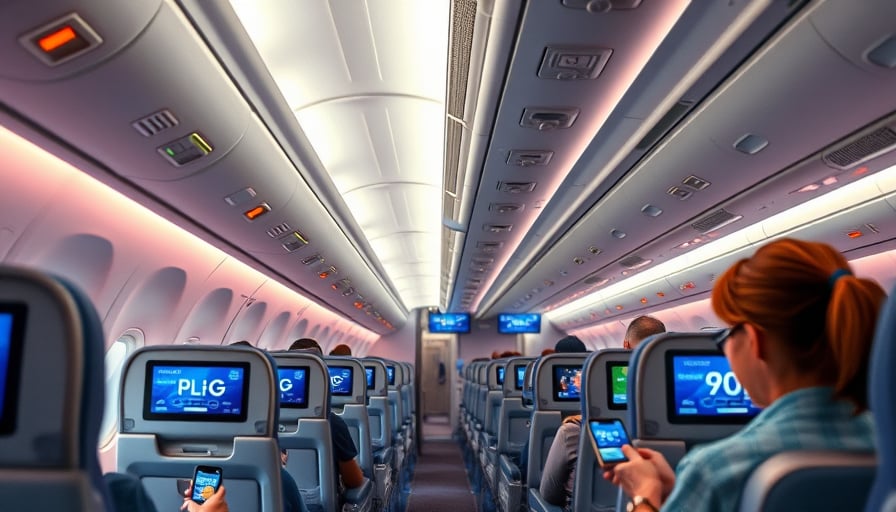
Lufthansa will equip all short‑haul aircraft with onboard internet connectivity and introduce free messaging services across both short‑ and long‑haul flights. The move follows a trend among global carriers that prioritize digital connectivity as a differentiator in an era where passengers demand constant access to data and communication tools. By standardising connectivity on short‑haul routes, Lufthansa intends to reduce fragmentation in service quality and provide a consistent experience for its growing domestic and regional market.
From an economic standpoint, in‑flight connectivity represents a potential revenue stream through premium services and advertising. However, the decision to offer messaging services for free suggests a strategic focus on customer loyalty and ancillary revenue opportunities that may emerge through targeted in‑flight content and data‑driven personalization.
Partnership with Klarna and Adyen
In a separate development, Lufthansa Group will integrate Klarna’s flexible payment options into its booking platform starting in November. Klarna’s integration with Adyen, a leading global payment platform, allows passengers to choose from a range of payment methods at checkout, including buy‑now‑pay‑later and installment plans. This partnership aligns with a broader industry shift toward seamless, frictionless booking experiences, where the ease of payment can influence consumer choice in a highly competitive environment.
The collaboration is also indicative of Lufthansa’s willingness to leverage third‑party fintech solutions to enhance its digital ecosystem. By reducing payment friction, the airline aims to increase conversion rates and capture a larger share of the high‑margin ancillary revenue segment.
Financial Pressure on Lufthansa Technik
Lufthansa Technik, the airline’s maintenance, repair and overhaul subsidiary, is under significant financial strain. The collapse of a partner airline has left Lufthansa Technik with several million euros in unpaid claims, forcing the maintenance arm to absorb large outstanding debts. This situation illustrates the interconnectedness of the airline group’s operations and the vulnerability of its service subsidiaries to external shocks.
From an accounting perspective, the debt may impact Lufthansa Technik’s liquidity ratios and potentially limit its capacity to invest in new technologies or expand service offerings. The parent company’s management will need to reassess capital allocation and risk mitigation strategies to safeguard the long‑term viability of its maintenance division.
Shareholder Dynamics
Klaus‑Michael Küne has increased his stake in Lufthansa to approximately 15 percent, making him the largest individual shareholder. This consolidation of ownership could influence corporate governance dynamics and potentially affect strategic decision‑making at the board level. Increased concentration of voting power may signal confidence in Lufthansa’s long‑term strategy among institutional investors and could also impact negotiations with other major shareholders.
Contextual Analysis
The initiatives announced by Lufthansa reflect broader trends across the aviation sector. Digital transformation—through connectivity upgrades and fintech partnerships—has become essential for carriers seeking differentiation in an increasingly commoditised market. Airlines that successfully integrate seamless payment solutions often achieve higher ancillary revenue and customer satisfaction, which in turn drive repeat business.
Conversely, the financial difficulties of Lufthansa Technik underscore the fragility of the maintenance, repair, and overhaul (MRO) segment, which is highly leveraged and sensitive to the health of partner airlines. The MRO industry often operates on thin margins, and disruptions can have cascading effects on the airline’s cost structure and operational reliability.
Finally, shareholder consolidation signals a shift toward concentrated ownership that can accelerate strategic initiatives but also heightens the stakes for corporate governance and regulatory scrutiny. As Lufthansa navigates these developments, its ability to balance investment in passenger experience with prudent financial management will be key to sustaining competitive advantage in an industry marked by volatile fuel prices, regulatory pressures, and evolving consumer preferences.