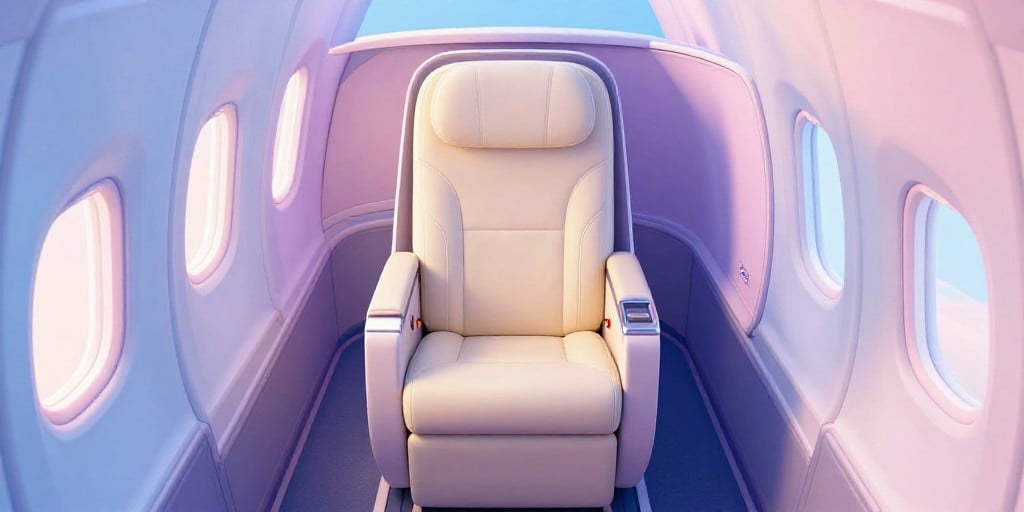
Lufthansa Considers Cabin Configuration Overhaul to Expand Premium Seat Offering
On 8 September 2026, Deutsche Lufthansa announced that it is exploring a revision of its cabin configuration, with the aim of expanding its premium seat inventory. The initiative is driven by a measurable rise in demand for higher‑priced seats, which management identifies as a critical lever for improving profitability.
Market Context and Industry Trends
The decision comes at a time when European carriers are increasingly re‑examining cabin layouts to capture additional value from premium passengers. Airlines across the continent have reported a steady uptick in willingness to pay for enhanced comfort and privacy, particularly on trans‑European and long‑haul routes. Lufthansa’s move aligns with this broader trend and underscores the shift toward revenue‑focused cabin design.
Demand‑Driven Rationale
Management highlighted that the current premium product—comprising Business Class, Premium Economy, and high‑end Economy seats—has been met with a strong market response. Preliminary analyses suggest that the company could sell additional high‑fare seats in excess of the available capacity, implying a substantial untapped revenue opportunity. By increasing the proportion of premium inventory, Lufthansa anticipates a higher average revenue per seat (ARS), which directly supports its profitability targets.
Strategic Implications
- Revenue Mix: A greater allocation to premium seats is expected to shift the airline’s revenue mix toward higher‑margin products, potentially offsetting cost pressures from fuel and labor.
- Cost Structure: Modifying cabin configurations may entail short‑term capital outlays for seat replacement and cabin refurbishment. However, the long‑term impact on operating costs is projected to be neutral or slightly positive due to efficiencies in cabin maintenance and potential reductions in ancillary service requirements for lower‑fare cabins.
- Competitive Positioning: By expanding premium capacity, Lufthansa seeks to differentiate itself from rivals that maintain a heavier emphasis on high‑density, low‑fare cabins. This strategic positioning could enhance brand perception among high‑spending customers and strengthen loyalty programs.
- Network and Fleet Optimisation: The announcement is part of ongoing discussions on network and fleet optimisation. Adjustments to cabin mix will likely be coordinated with route rationalisation and aircraft utilisation strategies to maximise load factors across the network.
Broader Economic Context
The airline industry continues to navigate post‑pandemic recovery dynamics, including volatile fuel prices and evolving consumer travel patterns. In this environment, airlines are prioritising revenue optimisation and cost control. Lufthansa’s focus on premium seat expansion reflects an industry‑wide recognition that price‑elastic demand for premium services can provide a more resilient revenue stream than volume‑driven, low‑fare models alone.
Conclusion
Deutsche Lufthansa’s planned cabin configuration review represents a calculated response to rising premium demand and broader industry movements toward higher‑margin passenger offerings. By reallocating capacity to higher‑priced seats, the airline aims to strengthen its revenue base, enhance competitive positioning, and navigate the complex economic landscape that characterises modern air transport. The forthcoming changes will likely influence Lufthansa’s cost structure and revenue mix, setting a precedent for other European carriers evaluating similar strategic shifts.