
Corporate News Analysis – Deutsche Lufthansa AG
Fleet Deployment and Network Optimization
Deutsche Lufthansa AG has announced that it will temporarily deploy its Boeing 747‑400 fleet to San Francisco later this spring. The decision is part of a broader strategy to fine‑tune the carrier’s long‑haul network amid fluctuating demand and evolving airline economics.
- Strategic Context: The 747‑400, while aging, offers high payload capacity that remains attractive for routes with moderate passenger loads but significant cargo or high‑value freight requirements. Deploying these aircraft to the U.S. West Coast aligns with seasonal demand patterns and the airline’s emphasis on maintaining a robust trans‑Atlantic presence.
- Operational Flexibility: By rotating older long‑haul assets rather than grounding them, Lufthansa can preserve fleet utilisation rates, thereby mitigating depreciation costs and sustaining revenue streams during periods of uneven traffic.
- Competitive Positioning: The move signals to competitors that Lufthansa remains agile, able to allocate capital aircraft to markets where they can extract maximum value. This agility is crucial in a market where rivals are deploying newer, more fuel‑efficient models such as the Boeing 787 and Airbus A350.
Expansion of Maintenance Infrastructure
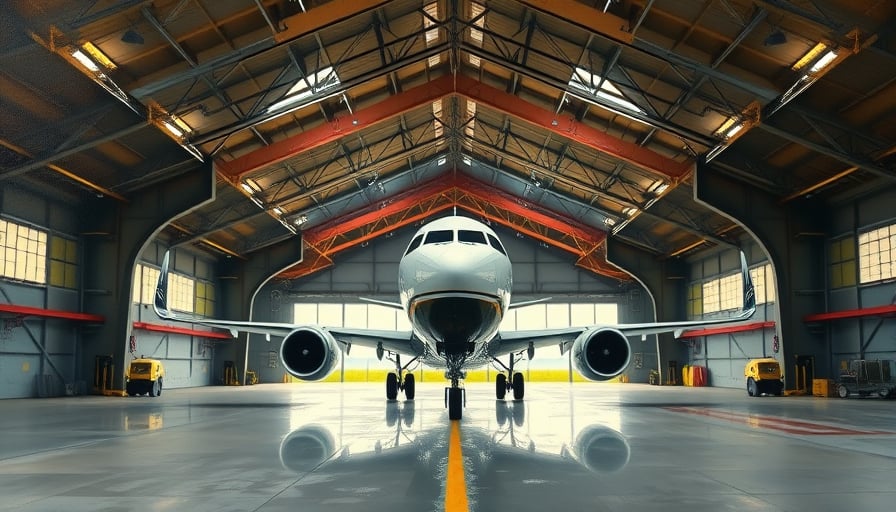
In a complementary development, Lufthansa Technik Aero Alzey has inaugurated a new logistics hub that doubles its storage capacity for aircraft engines and parts. This investment underscores the airline’s commitment to strengthening its technical support footprint.
- Supply Chain Resilience: Doubling storage capacity enhances the ability to manage component inventories, reducing lead times for repairs and maintenance. In an industry where aircraft downtime directly translates into revenue loss, such capacity buffers against supply disruptions and part shortages.
- Economies of Scale: Consolidating logistics operations in a single, expanded hub allows for more efficient use of warehousing space, workforce, and transportation assets. It also opens the door to potential cross‑selling of parts to other carriers that rely on Lufthansa Technik’s maintenance services.
- Technological Integration: The new hub incorporates advanced inventory management systems, facilitating real‑time tracking of parts and predictive maintenance scheduling. This aligns with broader industry trends toward data‑driven maintenance optimisation, which has proven to reduce operational costs by up to 15 % in some carriers.
Loyalty Programme Realignment
Lufthansa’s Miles & More loyalty programme has changed its credit‑card partnership from DKB to Deutsche Bank. While the change aims to streamline card‑holder benefits and leverage Deutsche Bank’s broader financial services network, it has sparked customer frustration.
- Customer Experience Impact: The transition has caused confusion over accrual rates, redemption policies, and card activation processes. Such friction can erode loyalty value, potentially driving members to competitor programmes that offer smoother integration.
- Strategic Rationale: Partnering with Deutsche Bank, a more prominent financial institution, may provide Lufthansa with increased bargaining power for co‑marketing initiatives, larger credit‑card user base, and enhanced data analytics on consumer spending.
- Mitigation Measures: To preserve engagement, Lufthansa must accelerate communication, offer transitional incentives, and provide clear, step‑by‑step guides for affected members. Long‑term, aligning the loyalty programme with a robust financial partner can deliver higher lifetime value per member, provided the customer experience is restored.
Broader Economic and Industry Implications
The three initiatives illustrate Lufthansa’s approach to balancing cost optimisation, network resilience, and customer engagement within a volatile aviation environment.
| Sector | Key Drivers | Lufthansa’s Response |
|---|---|---|
| Fleet Utilisation | Fuel price volatility, route profitability | Temporary deployment of older aircraft to high‑yield markets |
| Maintenance Infrastructure | Component scarcity, downtime costs | Expansion of parts logistics hub, investment in digital inventory |
| Customer Loyalty | Competitive differentiation, brand loyalty | Shift to a larger financial partner, risk of short‑term friction |
Across the airline industry, carriers are increasingly integrating fleet flexibility, in‑house maintenance capabilities, and robust loyalty programmes to create a holistic value proposition. Lufthansa’s actions mirror these trends, yet they also highlight the tension between operational efficiency and customer satisfaction—a balance that will determine the airline’s market position in the coming years.
By aligning fleet deployment with demand patterns, investing in maintenance infrastructure to reduce downtime, and recalibrating its loyalty partnership to enhance strategic breadth, Lufthansa demonstrates a comprehensive strategy that addresses both immediate operational needs and long‑term competitive dynamics.