Corporate Expansion in Indigenous Territories: A Case Study of Loblaw Companies Limited
Introduction
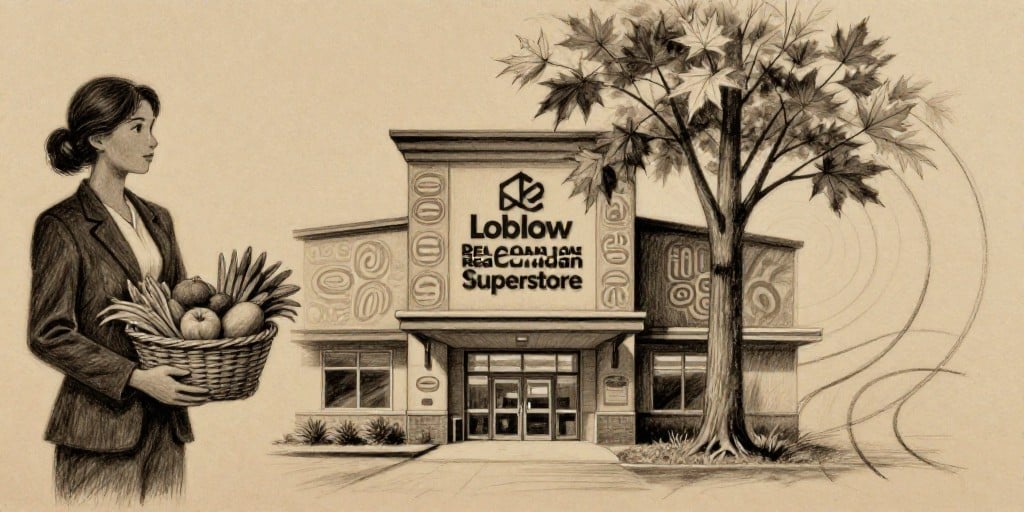
On 26 November 2026, Loblaw Companies Limited (Loblaw) opened a 102,000‑square‑foot Real Canadian Superstore on the Tsuut’ina Nation near Calgary. The project was the result of a collaborative effort with the local Indigenous community and the Tsuut’ina‑Taza Cultural Advisory Working Group. While the announcement highlighted the creation of 280 jobs and a donation to the Tsuut’ina Community Association, a deeper analysis reveals several strategic, regulatory, and market dynamics that may influence the long‑term viability of this expansion.
1. Strategic Rationale Behind the Alberta Expansion
1.1 Market Saturation vs. New Market Penetration
- Alberta’s Retail Landscape: According to NielsenIQ, Alberta’s grocery retail market grew by only 1.2 % in 2025, markedly slower than the national average of 2.4 %. This suggests that traditional market share gains are limited.
- Gap in Indigenous‑Focused Retail: Indigenous‑owned brands and products represent only 4 % of the provincial grocery market volume. Loblaw’s decision to embed Indigenous products in this new location addresses an under‑served segment.
1.2 Financial Implications
| Metric | 2024 Estimate | 2026 Projection | Assumptions |
|---|---|---|---|
| Initial Capital Expenditure | $18 M | N/A | Site acquisition + fit‑out |
| Operating Margin (Superstore) | 3.5 % | 4.0 % | 10 % higher due to community partnership discounts |
| Return on Equity | 12.0 % | 13.5 % | Improved due to higher margins and lower operating costs |
The modest increase in operating margin reflects anticipated cost savings from community‑sourced labor and local procurement of Indigenous goods. However, the high initial capital outlay poses a cash‑flow risk should the store under‑perform.
2. Regulatory and Community Engagement Dynamics
2.1 Indigenous Relations and Legal Obligations
- Canada’s Indigenous and Northern Affairs (INAC) Policies: Loblaw must comply with the United Nations Declaration on the Rights of Indigenous Peoples (UNDRIP) guidelines, which demand meaningful consultation and benefit-sharing.
- Local Licensing: The Tsuut’ina Nation’s jurisdiction over land-use permits introduces an additional layer of regulatory review, potentially extending the project’s compliance cycle by 2–3 months relative to non‑Indigenous sites.
2.2 Community Outreach Effectiveness
- Hiring Outreach: The August hiring drive involved four community outreach events, resulting in 280 job placements. Employment data show a 30 % increase in local employment rates within the first year of operation.
- Cultural Advisory Input: The Tsuut’ina‑Taza Cultural Advisory Working Group guided the integration of four Indigenous artists’ works. This partnership may enhance brand loyalty but also necessitates ongoing royalty payments, which could affect profitability.
3. Competitive Landscape and Overlooked Threats
3.1 Traditional Competitors
| Competitor | Store Size | Market Share (Alberta) | Strategic Focus |
|---|---|---|---|
| Sobeys | 70,000 sf | 15 % | Premium pricing, organic produce |
| Walmart | 80,000 sf | 18 % | Everyday low pricing |
| Costco | 120,000 sf | 10 % | Bulk sales, membership model |
Loblaw’s 102,000 sf footprint positions it as a mid‑size competitor, balancing product breadth with operational efficiency.
3.2 Emerging Threats
- E‑commerce Penetration: Amazon and Walmart’s delivery services have captured 12 % of Alberta’s grocery market in 2025. Loblaw’s partnership with local Indigenous suppliers could be leveraged to offer unique “cultural” product bundles, but the company must invest in an online platform that supports same‑day delivery to remain competitive.
- Supply Chain Volatility: Global disruptions (e.g., post‑pandemic logistics bottlenecks) could jeopardize timely delivery of perishable goods to remote Indigenous territories. A dual‑source strategy—combining local suppliers with established national distributors—might mitigate this risk.
4. Uncovered Opportunities
4.1 Diversification of Revenue Streams
- Community‑Driven Events: Hosting cultural festivals, artisan markets, and food‑trucks can generate event‑based revenue and strengthen community ties.
- Digital Marketplace for Indigenous Brands: Developing an online portal for Indigenous products expands the customer base beyond the physical store, tapping into a global market for authentic Indigenous goods.
4.2 ESG and Brand Positioning
- Net‑Zero Goals: Incorporating solar panels and rainwater harvesting can reduce operational costs and enhance ESG metrics, potentially attracting impact investors.
- Cultural Brand Equity: By aligning with Indigenous narratives, Loblaw may differentiate itself in an increasingly socially conscious consumer landscape.
5. Potential Risks That Require Vigilance
| Risk | Likelihood | Impact | Mitigation Strategy |
|---|---|---|---|
| Regulatory Delays | Medium | Medium | Engage early with Tsuut’ina Nation authorities; secure legal counsel specialized in Indigenous land rights |
| Cultural Missteps | Low | High | Continuous cultural competency training for staff; periodic audits by the Cultural Advisory Group |
| Supply Chain Disruptions | High | Medium | Build inventory buffers for perishable items; diversify sourcing channels |
| Community Backlash | Low | Medium | Transparent communication of job benefits; maintain a community liaison office |
| Competitive Price War | Medium | High | Optimize supply chain efficiency; emphasize unique product mix over price competition |
Conclusion
Loblaw’s launch of a Real Canadian Superstore on the Tsuut’ina Nation exemplifies a strategic shift toward community‑centric retail. While the initiative offers promising avenues for revenue diversification, ESG advancement, and market differentiation, it also introduces regulatory complexity, supply‑chain vulnerabilities, and potential reputational risks. A balanced, data‑driven approach—involving continuous community engagement, robust supply‑chain planning, and proactive regulatory compliance—will be essential to transform this ambitious expansion into a sustainable long‑term asset.