
Corporate News: Lennar’s Strategic Shift Toward Urban Residential Development
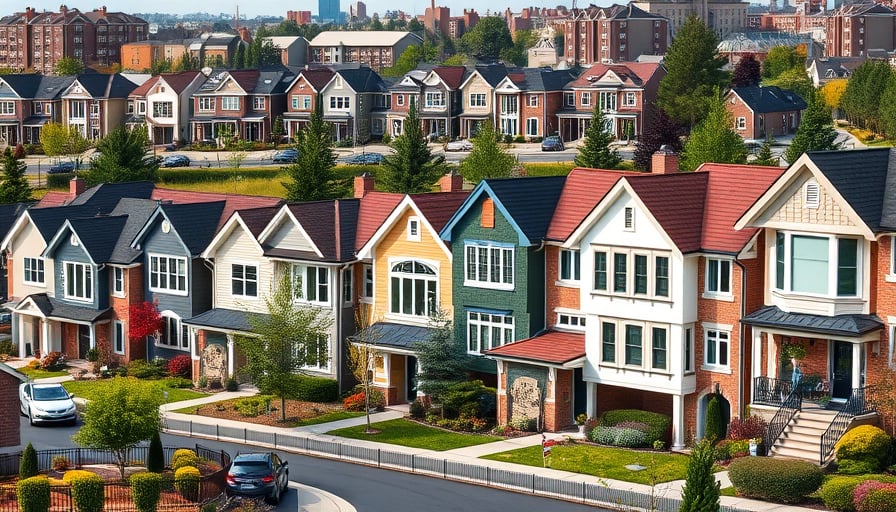
Lennar Corporation’s recent acquisition of a 25‑acre former office campus in Irvine, California, signals a decisive pivot toward converting underutilized commercial real‑estate assets into high‑density residential communities. The Irvine property, previously held by IRA Capital, will host a townhome development comprising over four hundred units, reflecting a broader industry trend in which homebuilders repurpose office and retail spaces to meet rising urban housing demand.
Digital Transformation Meets Physical Retail
The move underscores the convergence of digital and physical retail environments. While the homebuilding sector traditionally focused on single‑family houses in suburban enclaves, the Irvine project exemplifies a shift toward mixed‑use developments that integrate retail, dining, and community services within a single footprint. This hybrid model aligns with the growing consumer preference for “live‑work‑play” experiences that reduce commuting times and foster neighborhood engagement. By leveraging digital platforms for virtual tours, automated leasing, and data‑driven design optimizations, Lennar can streamline construction timelines and enhance tenant satisfaction, thereby reducing operational costs and increasing occupancy rates.
Generational Spending Patterns and Lifestyle Trends
Demographic shifts are reshaping the housing market. Millennials and Generation Z, now the largest share of renters and first‑time homebuyers, prioritize flexibility, technology integration, and community amenities over traditional yard space. The Irvine townhome project addresses these preferences by incorporating smart‑home features, shared outdoor areas, and proximity to public transit. Moreover, the demographic transition toward higher urban density is driven by lifestyle changes such as remote work, which diminish the necessity of large suburban homes and increase demand for compact, efficiently designed dwellings.
Cultural Movements and Consumer Experiences
Cultural movements toward sustainability and wellness are influencing consumer expectations. Lennar’s conversion strategy allows the incorporation of green building practices—such as solar panels, rainwater harvesting, and energy‑efficient appliances—into existing structures, thereby reducing environmental footprints and appealing to eco‑conscious buyers. In addition, the development of community gathering spaces supports social cohesion, addressing the cultural desire for meaningful interactions in an increasingly digital world.
Market Context and Investor Sentiment
Lennar’s acquisition aligns with a recent rebound in housing starts, particularly in single‑family construction, which has buoyed the broader home‑building sector. The company’s modest uptick in share price reflects investor confidence in its ability to capitalize on this recovery. By proactively acquiring and redeveloping commercial sites, Lennar diversifies its portfolio, mitigates market volatility in traditional suburban markets, and positions itself at the forefront of urban housing innovation.
Forward‑Looking Analysis
Looking ahead, Lennar’s strategy offers several market opportunities:
- Accelerated Return on Investment: Converting existing properties can shorten development cycles and reduce capital expenditures compared to new land acquisitions, delivering faster revenue streams.
- Expanded Market Segmentation: Urban townhome projects attract a broader demographic, including professionals, retirees, and downsizers, thereby increasing sales volumes.
- Enhanced Brand Positioning: Demonstrating commitment to sustainability and community design can strengthen Lennar’s brand reputation among socially responsible investors and consumers.
- Data‑Driven Design: Integrating digital tools in the design and construction process can improve quality control, reduce waste, and enable predictive maintenance, further lowering long‑term costs.
In an era where lifestyle preferences, demographic dynamics, and cultural values increasingly shape consumer behavior, Lennar’s strategic acquisition in Irvine represents a microcosm of a larger industry shift. By marrying digital innovation with physical redevelopment, the company is poised to capture emerging opportunities and redefine the residential experience for the next generation of homeowners.