
Lennar Corp: A Case Study in Lifestyle‑Driven Growth and Digital‑Physical Synergy
Lennar Corporation, one of the largest residential developers in the United States, has recently re‑entered the spotlight of financial analysts and media commentators. Television personality Jim Cramer referenced Lennar during a discussion of broader home‑price dynamics, while a five‑year performance review on finanzen.net highlighted the stock’s substantial gains for long‑term investors. These developments are not isolated anomalies; they reflect deeper demographic and cultural currents that reshape consumer spending, lifestyle preferences, and the retail experience in the housing sector.
Lifestyle Trends and Demographic Shifts
- The Baby Boomer Transition
- A growing cohort of Baby Boomers is downsizing or relocating to more affordable, single‑family homes in suburban or exurban markets. Lennar’s portfolio of mid‑priced, move‑in‑ready houses aligns well with this preference for convenience and value.
- Gen Z and Millennials’ Urban‑Aesthetic Demand
- Younger buyers increasingly favor homes that support flexible work‑from‑home arrangements, integrated smart‑home technology, and sustainable building materials. Lennar’s recent push to include energy‑efficient designs and “smart” infrastructure positions the company to capture this segment.
- Cultural Movement Toward Home‑Based Lifestyles
- The COVID‑19 pandemic accelerated a cultural shift toward home‑centered activities. As people invest more time and money in their living spaces, developers who can deliver experiential, design‑oriented homes stand to benefit.
Digital Transformation Meets Physical Retail
Lennar’s strategy illustrates the broader industry trend of blending digital and physical touchpoints:
Virtual Tours and Augmented Reality Lennar’s proprietary platform allows prospective buyers to walk through staged homes virtually, reducing the need for physical appointments and broadening market reach.
Online Customization Portals Customers can configure floor plans, finishes, and smart‑home features through an intuitive web interface, streamlining the buying process and generating actionable data on consumer preferences.
Omni‑Channel Sales Hubs Physical showrooms are augmented with digital kiosks that display real‑time inventory and pricing, creating a hybrid retail experience that meets the expectations of both tech‑savvy and traditional buyers.
Generational Spending Patterns
Baby Boomers tend to prioritize durability, classic aesthetics, and a straightforward purchase experience. Lennar’s focus on pre‑built, turnkey homes appeals to this group’s preference for low‑maintenance ownership.
Generation X seeks mid‑range homes with family‑friendly features and a balance between affordability and quality. Lennar’s portfolio of 2–3 bedroom homes with integrated family amenities aligns closely with this demographic.
Millennials and Gen Z value personalization, sustainability, and connected living. By offering modular construction options and advanced home‑automation packages, Lennar taps into this high‑growth segment’s willingness to invest in technology‑enabled lifestyles.
Market Opportunities Emerging from Societal Change
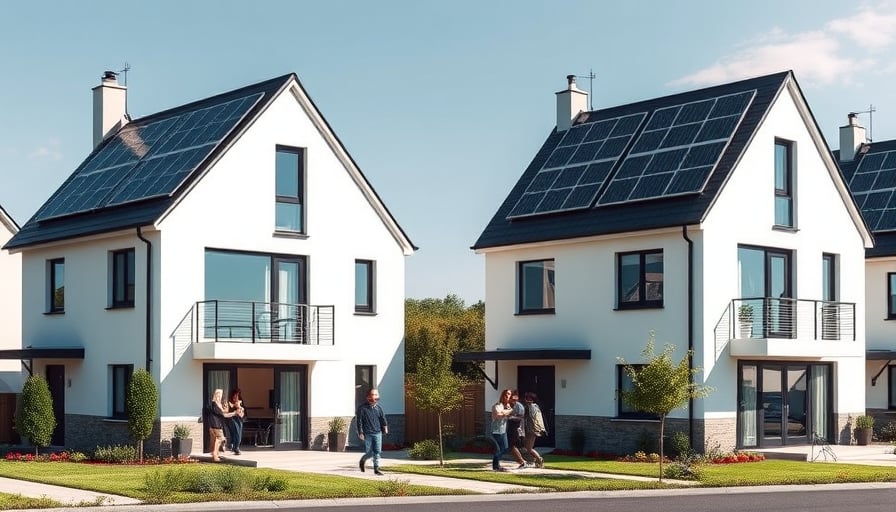
Sustainable Housing Demand As environmental consciousness rises, demand for energy‑efficient homes grows. Lennar’s investments in solar‑friendly designs and high‑insulation materials position it to capture a premium market segment.
Suburban and Exurban Revitalization Remote work is driving population shifts back into the suburbs. Developers that can rapidly build livable, community‑focused neighborhoods—an area where Lennar has demonstrated operational efficiency—will benefit from increased demand.
FinTech‑Enabled Financing Models Digital mortgage platforms and alternative financing options lower the barrier to entry for first‑time homebuyers. Lennar’s partnerships with fintech firms to offer streamlined credit approvals can accelerate sales cycles and expand customer bases.
Data‑Driven Design Optimization By leveraging analytics from its online customization tools, Lennar can identify high‑margin features that resonate with buyers, allowing for dynamic pricing strategies and inventory management that reduce wastage and improve profitability.
Forward‑Looking Analysis
The confluence of lifestyle shifts, digital transformation, and changing generational preferences creates a robust environment for companies that can seamlessly integrate technology into physical product offerings. Lennar’s recent media attention is a symptom rather than a cause; the underlying drivers are broader societal trends that favor convenience, sustainability, and personalization.
Investors and industry observers should monitor how Lennar’s digital initiatives translate into tangible sales growth, particularly among younger buyers. Furthermore, the company’s ability to adapt to shifting suburban demographics and to capitalize on emerging FinTech collaborations will likely dictate its competitive positioning over the next 5–7 years.
In sum, Lennar’s trajectory exemplifies how a traditional construction firm can harness cultural and technological currents to unlock new market opportunities. The company’s experience offers valuable lessons for other sectors where consumer lifestyles and digital integration intersect.