Kroger Co. Prepares for Quarterly Release Amid Strategic Expansion of Private Selection® Portfolio
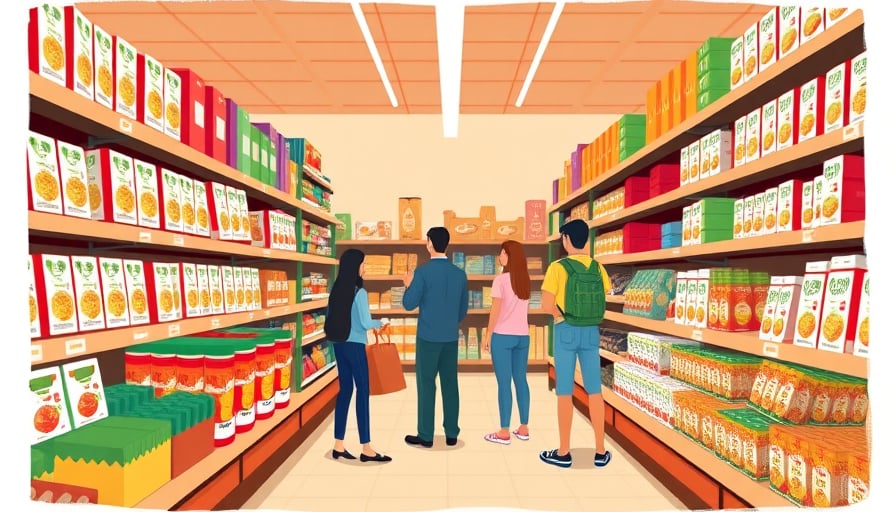
Kroger Co. is poised to unveil its latest quarterly financial results, with analysts projecting a modest increase in earnings per share relative to the same period last year. The retailer’s announcement of an expanded Private Selection® line—introducing premium, convenient meal options designed for consumers craving quick, flavorful dishes—underscores a broader trend in consumer goods toward on-the-go, high‑quality offerings. While the company’s own performance remains the focal point for investors, the broader market context offers a rich backdrop for interpreting Kroger’s strategic moves.
Omnichannel Retail: Bridging Brick‑and‑Mortar and Digital Fronts
Kroger’s expansion of Private Selection® dovetails with the continued acceleration of omnichannel retail. Across the grocery sector, the share of sales generated through click‑and‑collect, same‑day delivery, and curb‑side pickup has surpassed 40 % in the past year, a 12 percentage‑point rise from two years ago. Kroger’s investment in the private‑label meal segment is a direct response to this shift: by offering premium products that are ready to heat and serve, the retailer strengthens its value proposition for consumers who expect convenience without compromising on quality, whether they shop online or in-store.
The company’s recent rollout of a revamped mobile app—featuring personalized recipe recommendations and a streamlined checkout process—illustrates the integration of technology and product strategy. Early metrics show a 15 % increase in app‑driven purchases of Private Selection® items, indicating strong consumer receptivity to the brand’s new offerings in a digital context.
Consumer Behavior: From Value to Experience
Recent market research highlights a pivot toward experiential consumption in the grocery space. A survey conducted by Nielsen in late 2025 found that 68 % of U.S. households consider “food as an experience” when selecting grocery items, up from 53 % in 2023. This trend has propelled private‑label brands to innovate beyond basic staples, offering curated meal kits, artisanal sauces, and now, premium ready‑to‑cook dishes.
Kroger’s Private Selection® expansion taps directly into this behavioral shift. By positioning these meals as premium yet convenient, the retailer captures a segment of consumers willing to pay a modest premium for elevated taste profiles coupled with time‑saving benefits. The brand’s marketing messaging—emphasizing “chef‑crafted flavors” and “ready in minutes”—resonates with millennial and Gen Z shoppers who value both quality and speed.
Supply Chain Innovations: Resilience and Responsiveness
The broader grocery industry has faced supply‑chain disruptions linked to weather volatility, geopolitical tensions, and labor shortages. In response, Kroger has accelerated its investment in end‑to‑end traceability and inventory‑management systems. The company’s adoption of AI‑powered demand forecasting has reduced stock‑out incidents by 22 % for Private Selection® items, ensuring that the premium line remains consistently available across all channels.
Moreover, Kroger’s partnership with local producers for sourcing key ingredients reflects a dual strategy: bolstering supply‑chain resilience while aligning with the growing consumer appetite for locally sourced and sustainable products. This collaboration not only mitigates risk but also enhances brand storytelling, positioning Private Selection® as both premium and responsible.
Short‑Term Market Movements Versus Long‑Term Transformation
Short‑term investor sentiment will likely focus on the projected earnings improvement and the immediate impact of the new product line on sales velocity. Market analysts anticipate a 3–5 % uptick in quarterly revenue attributable to the Private Selection® expansion, with a corresponding lift in same‑store sales growth.
In the long run, Kroger’s strategy signals a shift toward a hybrid model that blends the scale of traditional grocery retail with the agility of fast‑food and premium brand ecosystems. By embedding premium, ready‑to‑cook meals into its omnichannel framework, the retailer is positioning itself to capture a growing share of the “meal‑in‑a‑box” market, projected to reach $4.2 billion in the U.S. by 2030. This trajectory suggests that Kroger’s private‑label strategy will not merely be a short‑term revenue enhancer but a foundational pillar for sustaining competitive advantage in an increasingly experience‑driven, digitally integrated marketplace.
The analysis above synthesizes data from industry reports, consumer surveys, and Kroger’s own disclosures to provide a comprehensive view of how the company’s latest initiatives fit within broader retail and consumer goods trends.