
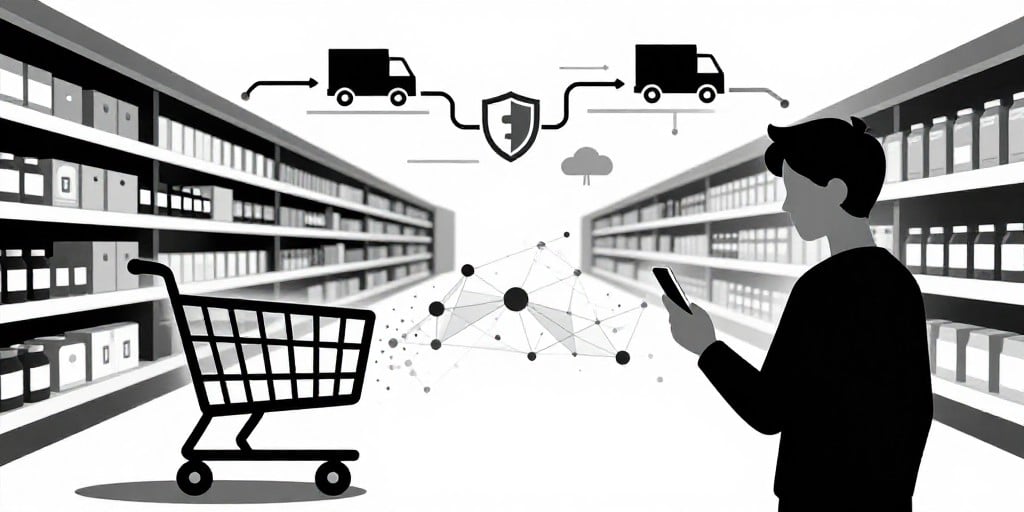
Kroger Co. Prepares to Reveal Fiscal July‑Quarter Earnings Amid Evolving Consumer Landscape
Kroger Co. is slated to disclose its fiscal July‑quarter earnings as part of the final reporting tranche for the S&P 500 index. Industry observers are keenly interested in how the grocery giant will navigate a landscape marked by supply‑chain volatility, intensifying competitive pressure, and pronounced shifts in consumer spending habits. The results are expected to shed light on Kroger’s strategies for balancing digital innovation with its extensive physical footprint, as well as how it is positioning itself to capitalize on emerging lifestyle trends and demographic transitions.
The Intersection of Digital and Physical Retail
Over the past decade, consumer expectations have migrated from transactional convenience toward experiential integration. The rise of e‑commerce giants and the proliferation of mobile‑first shopping platforms have prompted traditional retailers to adopt hybrid models that blend online ordering, curbside pickup, and in‑store fulfillment. Kroger’s ongoing investments in technology—such as its “Scan‑and‑Go” initiative, the expansion of its “Kroger One” membership program, and the rollout of autonomous delivery vehicles—illustrate the company’s commitment to this convergence.
The upcoming earnings report will likely detail progress in these areas, particularly the penetration of its digital platforms across different demographic cohorts. If the data show a robust uptick in digital engagement among Gen Z and Millennials, it could validate the company’s strategic emphasis on mobile interfaces and data‑driven personalization. Conversely, sustained strength in in‑store traffic could signal that the brand continues to resonate with older consumers who value the tactile experience of shopping.
Generational Spending Patterns and Consumer Experience
The retail sector is currently witnessing a generational realignment of spending power. While Baby Boomers and Generation X remain significant drivers of traditional grocery purchases, Millennials and Gen Z are increasingly shaping the market through their preference for sustainability, health consciousness, and experiential purchasing. These younger groups are also more likely to use technology to compare prices, seek out organic or locally sourced products, and engage with brands that reflect their values.
Kroger’s performance will, therefore, be examined in light of how well it aligns its product mix and marketing initiatives with these preferences. The company’s commitment to expanding its “Kroger Fresh” offerings and local sourcing partnerships may appeal to health‑focused consumers, while its “Kroger One” loyalty program’s tiered benefits could incentivize repeat purchases among value‑seeking shoppers. By assessing the financial impact of these initiatives—such as margin contribution from high‑margin private label items or growth in subscription revenue—the earnings release will offer insights into which generational segments are delivering the highest return on investment.
Supply‑Chain Resilience and Cost Management
Supply‑chain challenges remain a salient risk factor for the grocery industry. Volatility in commodity prices, transportation disruptions, and labor shortages have historically squeezed profit margins. Kroger’s response—streamlining its logistics network, investing in predictive analytics for inventory management, and negotiating long‑term contracts with suppliers—will be scrutinized to understand its effectiveness.
If the earnings report indicates that cost‑management initiatives have successfully mitigated price‑pressure impacts, it could reinforce confidence in Kroger’s operational resilience. Conversely, persistent supply‑chain bottlenecks might highlight the need for deeper diversification of sourcing channels or increased automation in distribution centers, which could become a strategic focus in the near term.
Forward‑Looking Opportunities
1. Expansion of Omni‑Channel Capabilities
- Opportunity: Strengthening the integration of online and offline channels can unlock new revenue streams, particularly through subscription services and last‑mile delivery innovations.
- Implication: Enhanced customer data analytics will allow for hyper‑personalized offers, increasing lifetime value per shopper.
2. Leveraging Demographic Shifts
- Opportunity: Tailoring product assortments to Gen Z and Millennials—emphasizing sustainability, transparency, and social responsibility—can deepen brand loyalty.
- Implication: Partnerships with local producers and transparent supply‑chain disclosures could differentiate Kroger in a crowded marketplace.
3. Adoption of Emerging Technologies
- Opportunity: Implementing AI‑driven demand forecasting, autonomous store navigation, and blockchain for traceability can reduce costs and improve the consumer experience.
- Implication: Early adopters may gain a competitive edge, especially in urban markets where technology adoption rates are highest.
4. Capitalizing on Lifestyle Trends
- Opportunity: The “work‑from‑home” lifestyle fuels demand for meal‑prep kits, health‑and‑wellness products, and premium ready‑to‑eat options.
- Implication: Expanding these categories could capture a growing share of the higher‑margin, experiential segment.
Conclusion
Kroger’s forthcoming fiscal July‑quarter earnings will serve as a barometer for how well the company is positioned amid rapid shifts in consumer behavior, evolving lifestyle preferences, and the relentless pace of digital transformation. By examining the company’s performance across digital adoption, demographic targeting, and supply‑chain optimization, analysts and investors will be able to assess whether Kroger can sustain its market leadership and translate societal changes into tangible business opportunities. The broader implications for the S&P 500 index will reflect not only Kroger’s trajectory but also the health of the consumer staples sector as a whole, underscoring the critical importance of adaptability in a world where consumer expectations and technology continue to evolve at unprecedented speed.