Corporate News Analysis
Kroger Co., one of the largest supermarket operators in the United States, reported a stronger fourth‑quarter performance than the same period a year earlier. Adjusted profits rose, while sales growth remained steady, prompting the company to revise its full‑year outlook for 2026. The revised guidance reflects modest expansion, even as Kroger continues to fine‑tune its automated fulfillment network. Following the earnings announcement, the stock climbed noticeably, signaling investor confidence in the company’s improved profitability. In a subsequent address, Kroger’s new chief executive acknowledged the challenges posed by a cautious consumer environment but emphasized the firm’s continued focus on sustaining sales momentum amid market uncertainty.
The Intersection of Digital Transformation and Physical Retail
Kroger’s strategic emphasis on an automated fulfillment network underscores a broader trend in the grocery sector: the blending of e‑commerce capabilities with the traditional brick‑and‑mortar experience. Retailers are increasingly investing in omnichannel solutions that allow customers to order online and pick up in‑store, ship home, or even enjoy same‑day delivery. For consumers, this hybrid model offers convenience without sacrificing the tactile reassurance of physical retail.
From a corporate standpoint, digital infrastructure reduces operational friction, enhances inventory accuracy, and unlocks data‑driven insights into shopper behavior. Kroger’s continued investment in automated warehouses and in‑store technology signals a recognition that the future of grocery retail hinges on seamless integration across the supply chain and the customer touchpoint.
Generational Spending Patterns and Consumer Experience
The consumer landscape is being reshaped by shifting generational priorities. Millennials and Gen Z—now the largest cohorts in the U.S. labor market—value experiences, sustainability, and personalized service over traditional product categories. Their willingness to pay a premium for convenience and authenticity has pushed retailers toward curated product lines, local sourcing, and transparent supply chains.
Simultaneously, the Baby Boomer generation, still a significant share of grocery shoppers, prioritizes health‑related products and value‑oriented offerings. Kroger’s diversified portfolio, which includes both high‑end organic selections and budget‑friendly staples, positions the company to capture the full spectrum of consumer preferences.
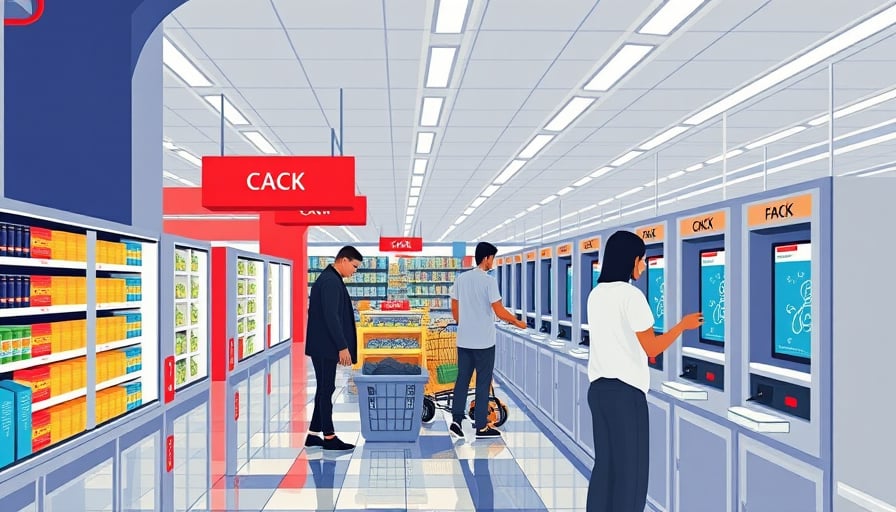
By tailoring the in‑store experience—through interactive displays, digital kiosks, and community‑focused events—Kroger can cater to the experiential demands of younger shoppers while maintaining the trust and loyalty of older consumers. The company’s focus on maintaining sales momentum amid a cautious consumer climate reflects an understanding that resilient revenue streams come from offering a layered, adaptable retail experience.
Societal Shifts Translating into Market Opportunities
Urbanization and Convenience: As more households move to urban centers, demand for efficient grocery solutions rises. Kroger’s expansion of curbside pickup, drive‑through kiosks, and micro‑distribution hubs addresses this need, creating a new revenue channel that is less sensitive to traditional foot traffic.
Health & Wellness Boom: The increasing prevalence of diet‑related health concerns boosts demand for organic, gluten‑free, and plant‑based products. Kroger’s commitment to expanding its health‑focused categories, coupled with partnerships with local farms, taps into a growing market segment.
Digital Native Shopping Habits: The proliferation of mobile‑first shopping apps and AI‑driven recommendation engines means that retailers must offer a frictionless, personalized digital experience. Kroger’s investment in data analytics and AI is aimed at delivering real‑time product recommendations and dynamic pricing models.
Sustainability and Ethical Consumption: Consumers are increasingly willing to pay for eco‑friendly packaging, zero‑waste initiatives, and ethically sourced products. By publicizing its sustainability metrics and offering refill stations or biodegradable packaging, Kroger can differentiate itself in an increasingly crowded market.
Forward‑Looking Analysis
Kroger’s modest expansion outlook for 2026 is reflective of a broader caution in the consumer economy, yet it also signals an opportunity for strategic investments that align with emerging lifestyle trends. The company’s continued automation of fulfillment operations, paired with a strong emphasis on omnichannel retail, positions it to capture market share from competitors that lag behind in digital integration.
Investors and industry analysts should monitor the following indicators:
- Fulfillment Efficiency Metrics: Reduction in average order‑to‑delivery times and cost per order will gauge the effectiveness of automated networks.
- Customer Loyalty Program Uptake: Growth in membership subscriptions and redemption rates can serve as a proxy for consumer satisfaction.
- Sustainability KPI Improvements: Public disclosure of reduced carbon footprints, waste diversion rates, and local sourcing percentages will resonate with socially conscious investors.
- Digital Engagement Analytics: App downloads, in‑app purchases, and click‑through rates on personalized offers will reflect the success of digital transformation initiatives.
In conclusion, Kroger’s strategic focus on marrying digital capabilities with physical retail experience, while staying attuned to generational spending habits and societal shifts, provides a robust framework for sustainable growth. The company’s ability to translate these cultural and lifestyle dynamics into tangible market opportunities will likely determine its competitive positioning in an evolving grocery landscape.