Corporate Insight: The Quiet Phase of Kraft Heinz in a Shifting Consumer Landscape
Kraft Heinz Co. has, for the past week, refrained from issuing any new earnings statements or announcing operational pivots, a silence that has left its stock price hovering in a tight corridor. While the company’s own disclosures remain minimal, the broader context in which it operates offers a richer narrative for investors and industry analysts alike.
1. The Quiet in the Context of a Dynamic Staples Sector
The consumer staples arena is experiencing an accelerated convergence of digital and physical retail. E‑commerce platforms are expanding their reach into the pantry aisle, while brick‑and‑mortar outlets are integrating experiential elements—think in‑store tastings and data‑driven merchandising—to counter the growing expectation that convenience and personalization can coexist with everyday necessities. Kraft Heinz, traditionally a stalwart of the food‑and‑beverage staples, is navigating this hybrid landscape without a high‑profile public signal.
In the absence of fresh corporate updates, market commentary has gravitated toward sector‑wide dynamics. Analysts point to the steady performance of the staples segment, which has outpaced discretionary spending during periods of economic uncertainty. Yet, the segment is also under pressure from newer entrants—particularly those leveraging direct‑to‑consumer (DTC) channels—to capture younger consumers who now prioritize authenticity and sustainability over sheer brand legacy.
2. Demographic Shifts and Generational Spending Patterns
The 2020s have witnessed a profound realignment in consumer demographics. Millennials and Generation Z now constitute a significant share of the purchasing power, especially in the food sector. These cohorts favor brands that demonstrate environmental stewardship, supply‑chain transparency, and community engagement. Their shopping journeys, however, are markedly digital: they research products online, compare prices across platforms, and rely heavily on peer reviews before making a purchase.
Kraft Heinz’s portfolio, dominated by iconic, long‑standing brands, must therefore adapt to meet these expectations. Although the company’s public statements lack specificity, its ongoing internal focus on portfolio streamlining and cost efficiency likely reflects an intention to allocate resources toward brands that can be positioned as both heritage and progressive. The company’s challenge will be to translate this internal reorganization into consumer‑visible differentiation that resonates with a generation less willing to overlook perceived gaps in corporate responsibility.
3. Digital Transformation Meets Physical Retail: A Strategic Imperative
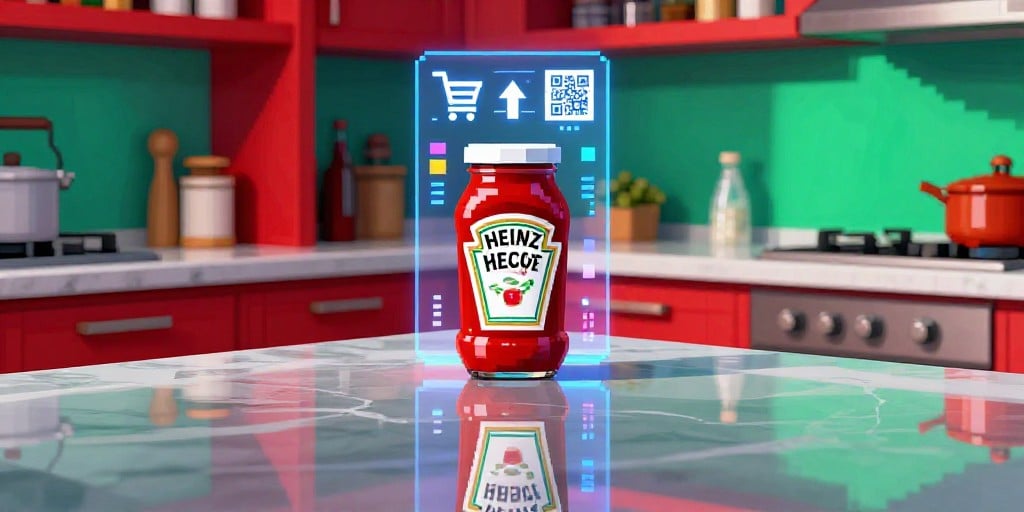
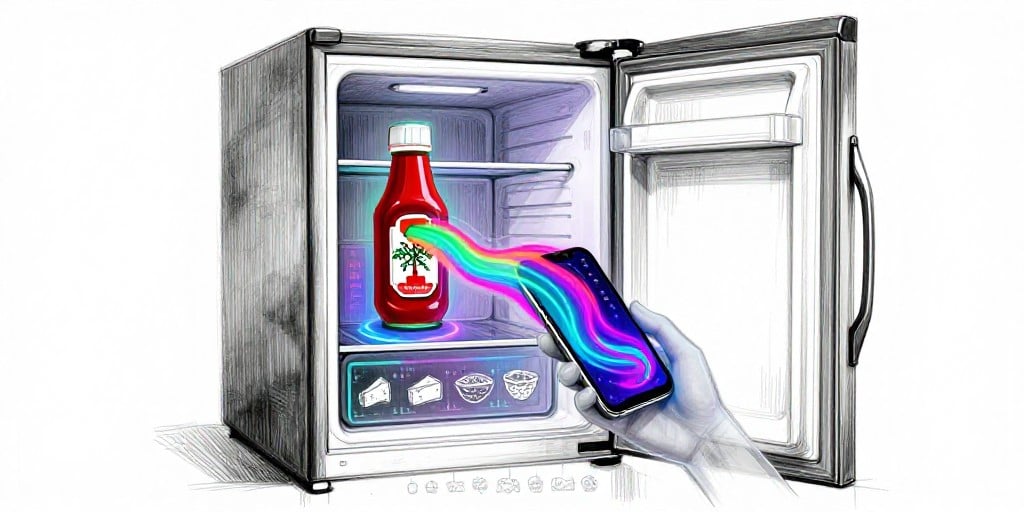
The convergence of digital and physical touchpoints has become a decisive factor in consumer experience design. Retailers who seamlessly integrate online ordering with in‑store pick‑up, subscription models, and augmented‑reality (AR) product previews are creating frictionless pathways for the modern shopper. For Kraft Heinz, this convergence presents a dual opportunity:
Data‑Driven Product Development – By harvesting customer interaction data across digital channels, the company can fine‑tune flavor profiles, ingredient sourcing, and packaging to align with real‑time consumer preferences.
Omni‑Channel Brand Storytelling – Leveraging the heritage of its flagship brands, Kraft Heinz can craft narratives that span social media, in‑store experiences, and community events, thereby reinforcing brand loyalty among a digitally native audience.
The strategic question for investors is not whether the company will adopt these modalities, but how swiftly and effectively it can do so amid competitive pressure from nimble, tech‑savvy entrants.
4. Forward‑Looking Analysis: Translating Societal Shifts into Market Opportunities
Portfolio Rationalization as a Catalyst for Agility – The company’s focus on streamlining its product line could free capital that may be redirected toward high‑margin, high‑growth sub‑segments, particularly those aligned with plant‑based or allergen‑free categories.
Cost Efficiency as a Differentiator – In an era of volatile commodity prices and supply‑chain disruptions, a disciplined cost‑management approach can enhance margins, allowing for competitive pricing or investment in marketing initiatives that highlight sustainability credentials.
Digital Integration as a Value Add – Investing in e‑commerce infrastructure, data analytics, and supply‑chain automation positions Kraft Heinz to capture the growing share of online grocery sales, which is projected to reach double‑digit growth rates over the next five years.
Engaging the Experience‑Driven Shopper – By embedding experiential elements in physical stores—such as recipe workshops, live cooking demonstrations, or interactive flavor‑profile stations—Kraft Heinz can deepen consumer engagement and create memorable brand touchpoints that translate into repeat purchases.
Ultimately, the company’s ability to navigate this confluence of demographic evolution, lifestyle preferences, and digital‑physical retail integration will determine its trajectory within the competitive consumer staples landscape.