
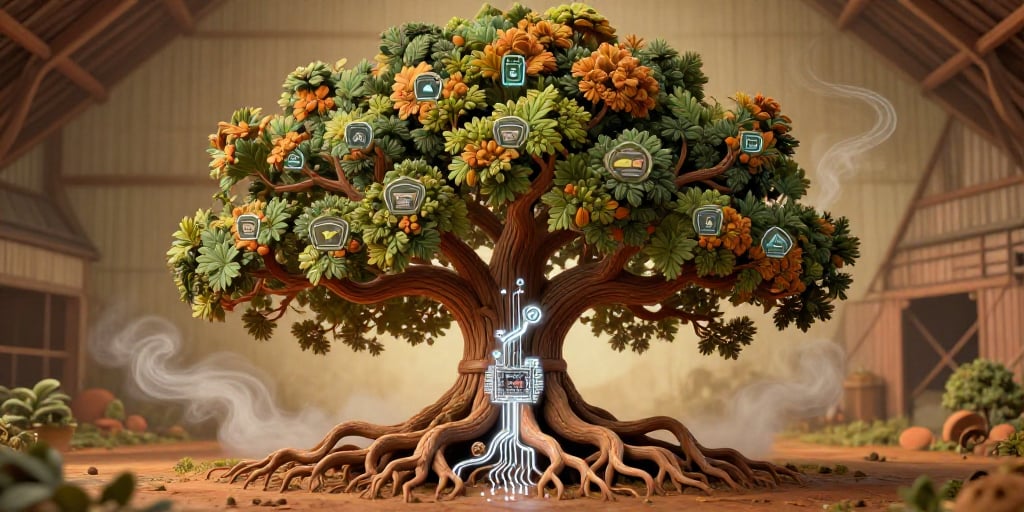
Navigating a Shifting Consumer Landscape: The Kraft Heinz Case Study
Kraft Heinz Co. is confronting a confluence of pressures—moderate sales decline, a share price hovering near a multi‑year low, and tightening regulatory expectations across Europe. The company’s response, led by Chief Executive Officer Steve Cahillane, pivots toward sustainability and digital innovation. While these moves may appear defensive, they align closely with broader lifestyle trends, demographic shifts, and cultural movements that are reshaping consumer behavior and opening new market opportunities.
1. The Digital‑Physical Retail Nexus
Consumers today expect seamless integration between online and offline channels. Millennials and Gen Z—who now constitute the majority of the global consumer base—value experiences that blend convenience, authenticity, and social responsibility. Kraft Heinz’s partnership with the British Ecotrace programme, enabled by Polytag’s invisible UV‑coding, represents a concrete step toward this integration. By embedding real‑time tracking of recycling rates and waste flows into packaging, the company can:
| Benefit | Consumer Expectation | Business Opportunity |
|---|---|---|
| Real‑time environmental impact data | Transparency and accountability | Differentiation through “green credentials” |
| Enhanced traceability | Trust in product provenance | Compliance with forthcoming EU “digital product passports” |
| Data analytics on waste flows | Circular economy advocacy | New revenue streams from waste‑management services |
This technology positions Kraft Heinz to satisfy a growing segment of consumers who actively seek products with verifiable sustainability claims. Moreover, it opens a dialogue between the brand and local recycling infrastructures, reinforcing community engagement—an element increasingly valued by socially conscious buyers.
2. Generational Spending Patterns and Brand Loyalty
The current revenue contraction can be partly attributed to shifting spending habits. Younger consumers prioritize experiences over ownership, often opting for curated meal kits, ready‑to‑eat convenience foods, or boutique sauces that offer novel flavor profiles. Traditional staples such as baked beans and ketchup, while still popular, face competition from artisanal and plant‑based alternatives. By reallocating capital toward marketing and product development—abandoning a previously considered spin‑off—Kraft Heinz can:
- Expand Product Innovation: Introduce limited‑edition flavor variants that resonate with Gen Z’s palate for novelty and global influences.
- Target Experiential Marketing: Leverage social media platforms to create interactive campaigns (e.g., recipe challenges, sustainability stories) that foster brand communities.
- Leverage Data Analytics: Use the Polytag ecosystem to monitor consumer usage patterns, informing targeted promotions and inventory optimization.
These initiatives address the declining brand loyalty observed in younger cohorts and align the company with the broader trend of experiential consumption.
3. Cultural Movements Driving Market Opportunity
The contemporary cultural landscape emphasizes sustainability, health, and ethical consumption. Kraft Heinz’s engagement with the Ecotrace programme dovetails with these values, signaling a commitment that can restore consumer trust. Additionally, the EU’s upcoming packaging regulations and digital product passports present both a compliance challenge and an opportunity: brands that pioneer transparent supply chains can capture premium pricing and secure preferential shelf space in environmentally focused retailers.
From a financial standpoint, the anticipated earnings per share decline will likely continue to weigh on the share price. However, analysts suggest that the May 6 earnings release will be pivotal in determining whether the company can reverse its trajectory. A successful demonstration of sustainable practices, coupled with evidence of improved marketing ROI, could trigger a confidence rebound among investors and a re‑evaluation of the company’s intrinsic value.
4. Forward‑Looking Analysis
| Trend | Implication for Kraft Heinz | Strategic Response |
|---|---|---|
| Digital Product Passports | Mandatory compliance, new consumer expectations | Early adoption via Polytag, data‑driven supply‑chain optimization |
| Circular Economy | Increased demand for recyclable packaging | Expand Polytag pilot, partner with waste‑management firms |
| Experience‑Centric Consumption | Shift from product ownership to culinary experiences | Launch experiential campaigns, diversify flavor portfolio |
| Regulatory Tightening in EU | Potential compliance costs, market access constraints | Proactive regulatory engagement, invest in R&D for compliant formulations |
If Kraft Heinz successfully aligns its operational strategy with these macro‑trends, the company can convert current challenges into a platform for sustainable growth. The integration of digital tracking technology into physical retail will not only meet regulatory demands but also enhance consumer engagement—turning a traditional commodity into a differentiated, experience‑rich offering.
5. Conclusion
The intersection of digital transformation and physical retail, driven by generational spending patterns and cultural movements, is redefining consumer expectations. Kraft Heinz’s strategic pivot toward sustainability—highlighted by its Polytag partnership—demonstrates an awareness of these forces. By embracing technology that supports transparency, circularity, and experiential marketing, the company positions itself to reclaim market relevance, satisfy evolving consumer values, and ultimately, reverse its sales decline. The forthcoming earnings release will serve as a barometer of the efficacy of these initiatives and the market’s readiness to reward a renewed commitment to sustainable, digitally enabled retail.