Corporate News Analysis – Kongsberg Gruppen ASA
Kongsberg Gruppen ASA, the Norwegian systems integrator specializing in defence and maritime solutions, has continued to navigate a complex global environment amid escalating geopolitical tensions in the Middle East. The firm’s defense and aerospace division, which supplies command‑and‑control and missile systems, is operating in a context where European defence stocks have experienced a noticeable uptick following heightened regional instability. This broader market movement has added volatility to the sector; nevertheless, Kongsberg’s own performance has remained comparatively steady.
Operational Response to Geopolitical Risk
In early March, Kongsberg announced the evacuation of employees and their families from the Middle East, citing security concerns as the primary driver. The company’s communications director emphasized that the evacuation was executed as a precautionary measure to ensure the safety of personnel and their dependents. While the announcement did not indicate any direct impact on Kongsberg’s operational capacity, it underscored the firm’s commitment to safeguarding its workforce amid geopolitical uncertainties. The decision did not alter production schedules or supply‑chain commitments, and the company confirmed that its operational resilience would not be compromised.
Market Sentiment and Investor Behaviour
Market activity on the Oslo Stock Exchange reflected mixed sentiment around defence equities. The benchmark index opened flat on the day of the evacuation announcement, whereas energy‑sector peers such as Equinor maintained upward momentum. This pattern suggests that investors are closely monitoring the interplay between geopolitical developments and the defence industry’s exposure. Defensive‑sector stocks, including Kongsberg, typically benefit from a “flight‑to‑quality” reaction during periods of heightened uncertainty, but the muted reaction in Oslo indicates a tempered risk appetite among local investors.
Geographic Diversification as a Buffer
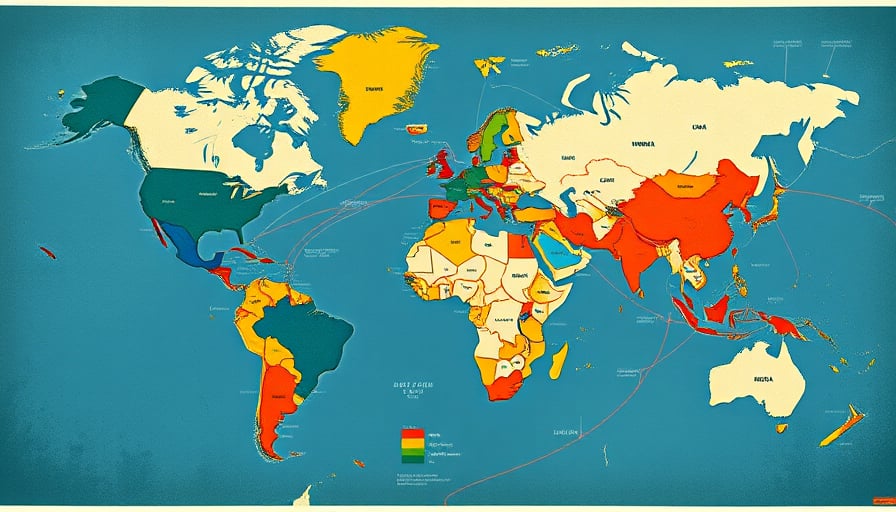
Kongsberg’s geographic footprint spans Norway, Europe, North America, and several other regions, providing resilience through diversification. The company’s ongoing product lines in maritime navigation and remote weapon systems continue to underpin its revenue streams, even as external pressures shape the broader investment climate. The firm’s ability to service customers across multiple continents mitigates concentration risk and ensures a steady demand for its advanced technology solutions.
Broader Context: Consumer Discretionary Trends
While Kongsberg operates in a strategic defence and maritime niche, the dynamics of consumer discretionary spending are increasingly relevant for corporate decision‑making. Analysts observe that demographic shifts—particularly the rise of Generation Z and Millennials as major consumer cohorts—are influencing spending patterns across luxury, tech, and experiential categories. Economic conditions such as inflationary pressures and fluctuating interest rates are tempering discretionary budgets, yet cultural shifts toward sustainability and digital engagement continue to spur demand for premium, ethically sourced goods.
Market research indicates that:
| Segment | Growth Rate (YoY) | Key Drivers |
|---|---|---|
| Luxury goods | +4.2% | Rising disposable income in emerging markets, increased online retail |
| Technology accessories | +6.7% | Adoption of 5G and IoT devices |
| Experiential travel | +2.9% | Post‑pandemic travel rebound, focus on wellness |
| Sustainable products | +9.1% | Consumer preference for ESG‑aligned brands |
Consumer sentiment indicators, such as the Consumer Confidence Index (CCI) and Net Promoter Score (NPS) for high‑end brands, show a cautious optimism that is beginning to translate into incremental spending, especially in regions with stable economic outlooks.
Qualitative Insights
Lifestyle surveys reveal a pronounced shift toward “micro‑luxury,” where consumers seek high‑quality, personalized experiences over traditional bulk purchases. Generational preferences also diverge: younger cohorts prioritize authenticity and brand purpose, while older consumers value reliability and long‑term value. Companies that align product innovation with these cultural narratives—by integrating sustainability, digital convenience, and narrative storytelling—are better positioned to capture market share in the competitive discretionary space.
Conclusion
Kongsberg Gruppen ASA exemplifies strategic resilience in the face of geopolitical uncertainty, leveraging its diversified portfolio and global footprint to maintain operational steadiness. Concurrently, the evolving landscape of consumer discretionary spending—driven by demographic, economic, and cultural forces—offers both challenges and opportunities for corporates across sectors. Firms that integrate quantitative market insights with qualitative lifestyle trends are likely to navigate these dynamics most effectively, securing sustainable growth amid a rapidly shifting global economy.