Corporate News
Keurig Dr Pepper’s €15 billion acquisition of JDE Peet’s: a strategic pivot amid shifting consumer landscapes
Keurig Dr Pepper Inc. has finalized a landmark transaction that will reshape the global beverage industry. By securing control of Dutch coffee powerhouse JDE Peet’s for an estimated €15 billion, the company has achieved an acceptance rate exceeding 96 percent of the Dutch firm’s shares. The deal is now effectively unconditional, positioning Keurig Dr Pepper as the sole owner of JDE Peet’s. The Dutch company will be delisted from the Amsterdam exchange following the completion of the share‑holding period, with settlement slated for 1 April and an extended grace period until 13 April for any remaining shareholders.
Market context
The announcement arrived against a backdrop of heightened global volatility. Early‑day trading saw major equity indices retreat, influenced by Middle‑East tensions and a surge in crude‑oil prices. European indices, such as the AEX, slipped modestly, while U.S. markets recorded a fifth consecutive week of declines across key benchmarks. Oil futures climbed above $100, and the VIX widened, reflecting investor uncertainty. Despite these fluctuations, Keurig Dr Pepper’s acquisition is framed as a deliberate expansion strategy, integrating JDE Peet’s operations into a broader portfolio that is expected to reinforce the company’s growth trajectory in the beverage sector.
Connecting demographic shifts and lifestyle trends to market opportunity
The convergence of digital transformation and physical retail is redefining how consumers experience beverages. Younger generations—particularly Millennials and Gen Z—are increasingly demanding personalized, on‑demand experiences that blend convenience with authenticity. Their digital nativity has accelerated the adoption of subscription services, mobile ordering, and data‑driven personalization. Simultaneously, there is a rising appetite for premium, craft‑style products that convey a sense of place and story.
Keurig Dr Pepper’s acquisition of JDE Peet’s aligns with these trends in several key ways:
| Trend | Implication | Keurig Dr Pepper’s Strategic Response |
|---|---|---|
| Personalization | Consumers seek drinks tailored to taste, health preferences, and sustainability credentials. | Leveraging JDE Peet’s extensive brand portfolio (e.g., Illy, Jacobs, Senseo) enables the creation of co‑branded, customizable beverage lines that can be distributed through digital platforms and in‑store kiosks. |
| Omni‑channel retail | The boundary between online and brick‑first is eroding; seamless cross‑channel experiences are vital. | Integration of JDE Peet’s supply chain with Keurig’s existing distribution network will allow rapid deployment of new product launches across e‑commerce, mobile apps, and physical convenience stores. |
| Health and sustainability | Growing concern over wellness and environmental impact is reshaping purchasing decisions. | Joint investment in plant‑based coffee alternatives and carbon‑neutral sourcing can differentiate the combined portfolio in markets where ESG metrics are increasingly pivotal. |
| Social commerce | Influencer‑driven purchasing and community‑built loyalty programs are gaining traction. | The combined entity can develop community‑centric campaigns that tap into JDE Peet’s loyal fan base while utilizing Keurig’s digital marketing tools. |
Generational spending patterns and evolving consumer experiences
The 2020s have witnessed a pronounced shift in how different age cohorts allocate discretionary spending. While Gen Z prioritizes experiences and technology, Millennials balance value and brand authenticity. Both groups, however, show a willingness to pay a premium for products that resonate with personal identity and social values.
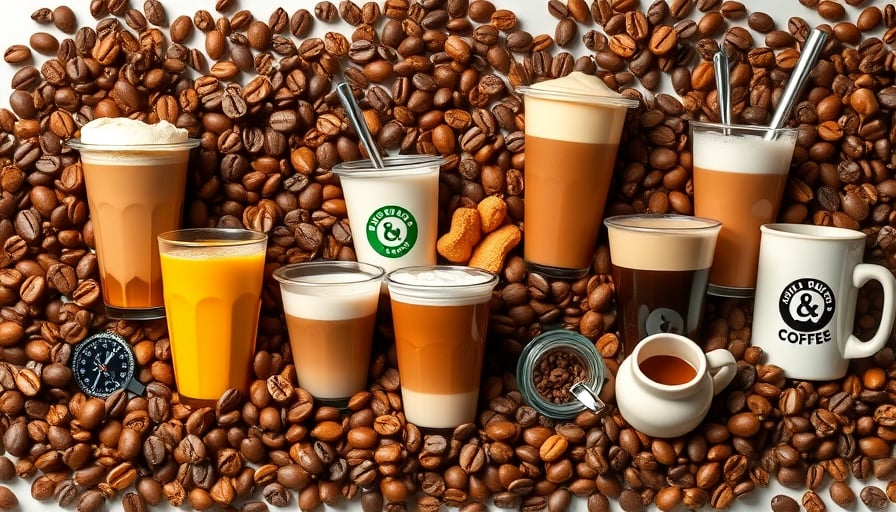
Keurig Dr Pepper’s expanded footprint in the premium coffee market positions it to capture a larger share of this willingness to spend. By offering curated coffee experiences—such as limited‑edition blends tied to cultural events or collaborations with local artisans—the company can create episodic buying moments that drive repeat engagement.
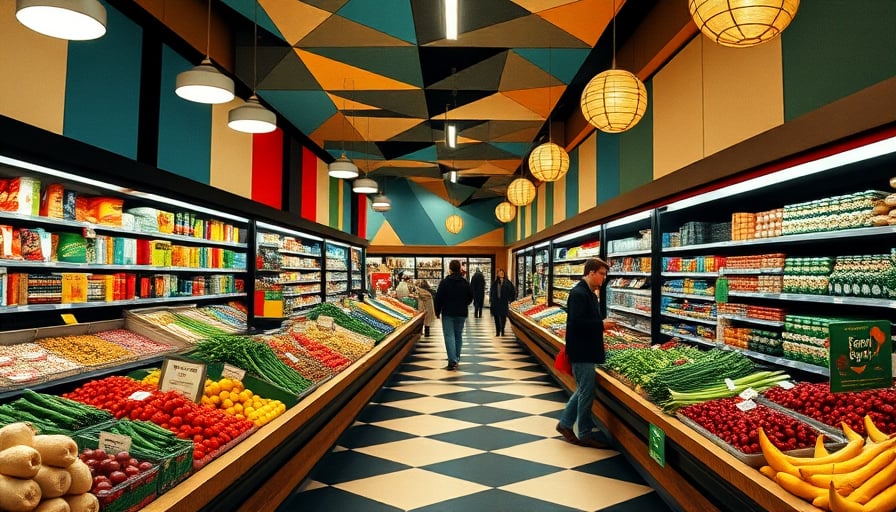
Moreover, the proliferation of “coffee as a lifestyle” has elevated the café experience to a social hub. Physical retail spaces, whether standalone cafés or integrated in grocery stores, now serve as gathering points where customers can participate in brand storytelling. Keurig Dr Pepper can leverage JDE Peet’s cafés and experiential venues to foster brand loyalty while driving cross‑sell opportunities (e.g., ready‑to‑drink beverages, merchandise).
Forward‑looking analysis
Although macro‑economic uncertainty—evidenced by volatile oil prices and geopolitical tensions—could temper short‑term equity performance, the strategic fit of JDE Peet’s into Keurig Dr Pepper’s ecosystem offers several long‑term advantages:
- Diversified revenue streams: The acquisition adds a robust coffee segment, balancing the company’s beverage portfolio and reducing reliance on single‑category sales.
- Scale and efficiency: Consolidated production facilities and distribution networks can realize cost synergies, improving margins across both legacy and newly acquired brands.
- Innovation pipeline: Joint R&D initiatives can accelerate the development of novel beverage formats (e.g., ready‑to‑drink, cold brew, plant‑based options) that align with emerging consumer demands.
- Digital integration: Merging Keurig Dr Pepper’s existing e‑commerce and data analytics capabilities with JDE Peet’s brand equity will create a powerful platform for personalized marketing and targeted product launches.
In essence, the deal signals a broader industry pivot: large consumer goods conglomerates are increasingly acquiring niche, high‑margin brands that resonate with younger, digitally connected consumers. By embedding JDE Peet’s premium coffee offerings within a digitally driven retail framework, Keurig Dr Pepper not only strengthens its competitive position but also capitalizes on the evolving intersection of lifestyle trends, generational spending, and experiential consumption.