Corporate Analysis of Kerry Group PLC in the Context of Global Macro‑Economic Developments
The Irish‑listed Kerry Group PLC, a leading producer of processed meats and food ingredients, is navigating a landscape shaped by a confluence of macro‑economic forces. While the company’s own financial performance is not detailed in the cited reports, the broader context of commodity pricing, currency volatility, energy infrastructure, and regulatory dynamics provides essential insight into the operational pressures and opportunities confronting Kerry Group.
1. Commodity Pricing and Currency Volatility
A recent surge in gold prices, attributed to a weakening U.S. dollar, signals a shift in risk sentiment across global markets. Commodity prices, including those for raw materials such as beef, pork, poultry, and wheat, tend to move inversely to the dollar: a weaker dollar generally translates into higher commodity costs in local currencies. For Kerry Group, which sources significant volumes of agricultural inputs in markets where the euro or other currencies are used, this dynamic can elevate input expenses. The company’s exposure to multiple currency denominations also means that fluctuations in the euro‑dollar pair can alter the cost base for both procurement and export operations. A persistent weakening of the dollar may therefore compress margins unless offset by price adjustments or hedging strategies.
2. Energy Transition and Supply‑Chain Costs
The expansion of renewable generation and storage in Australia illustrates a broader global trend toward decarbonisation and energy resilience. While Kerry Group’s primary production facilities are concentrated in Europe and the Americas, the company’s logistics network relies heavily on energy‑intensive transportation and processing. Enhanced renewable capacity can lower long‑term energy costs and reduce exposure to fossil‑fuel price volatility. However, the transitional period often involves regulatory adjustments, potential increases in short‑term energy tariffs, and infrastructure investment that may raise operational expenses. Kerry Group’s supply‑chain managers must therefore balance the benefits of renewable energy adoption against the need for stable, predictable energy pricing, particularly in regions where energy infrastructure is still developing.
3. Regulatory and Fiscal Policy in the United States
The impending American mid‑term elections introduce uncertainty around trade and food‑safety regulation. A shift toward protectionist trade policy could raise tariffs on imported ingredients, while stricter food‑safety standards could increase compliance costs for exporters. Conversely, a pro‑trade administration may open additional market access and reduce regulatory burdens. Kerry Group’s U.S. operations, which involve both importation of raw materials and exportation of finished products, are directly influenced by such policy changes. The company’s strategic response will likely involve monitoring legislative developments, engaging with industry coalitions, and investing in compliance infrastructure to mitigate potential disruptions.
4. Currency Environment and Competitive Positioning
Beyond the euro‑dollar pair, global currency movements affect Kerry Group’s competitiveness in other dollar‑denominated markets, such as Canada, Japan, and emerging economies. A stronger euro relative to the dollar enhances the appeal of Kerry Group’s products in these markets, potentially boosting export volumes and revenue. However, currency appreciation may also erode profit margins if input costs remain denominated in weaker currencies. To navigate this environment, the company may employ forward contracts, options, or other hedging instruments to lock in favorable rates and protect against adverse movements.
5. Cross‑Sector Insights and Macro‑Economic Synergies
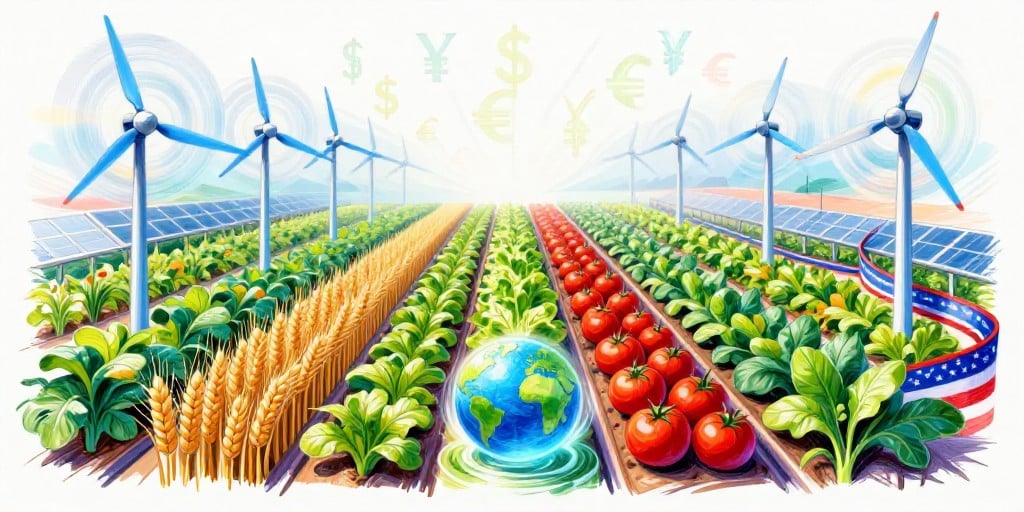
The confluence of commodity pricing, energy transition, and regulatory policy underscores the interconnectedness of seemingly disparate sectors. For example:
- Commodity and Energy Nexus: Energy costs are a primary driver of commodity prices; as renewable energy lowers fuel costs, commodity prices may stabilize, benefiting food producers.
- Regulatory and Currency Interplay: Trade policies can influence currency strength; protectionist measures may depreciate a country’s currency, affecting import costs and export competitiveness.
- Infrastructure and Supply Chains: Energy infrastructure investments can improve logistics reliability, reducing supply‑chain risk for perishable goods.
Understanding these synergies equips Kerry Group with a holistic view of the forces shaping its operating environment. By integrating rigorous analysis across sectors, the company can anticipate market shifts, adjust its strategic positioning, and maintain resilience in a rapidly evolving global economy.