Corporate News Analysis: Kering’s Strategic Pivot in the High‑End Leather Market
Kering SA has recently drawn industry attention for its deliberate shift away from overt “logomania” toward a subtler, investment‑style luxury that prioritises premium leather over conspicuous branding. This repositioning is aimed at high‑net‑worth consumers who increasingly view durable, timeless leather goods as a vehicle for signalling professional authority and social stability. The move is not merely a branding decision; it reflects deeper structural changes in supply chain management, sustainability expectations, and the broader retail landscape.
1. Consumer Goods Trends: From Flagship Statements to Enduring Assets
The luxury sector is witnessing a generational shift in purchasing motives. Older high‑net‑worth consumers tend to favour classic, long‑lasting items, whereas younger affluent buyers exhibit a heightened sensitivity to sustainability and ethical sourcing. According to a 2025 Global Luxury Consumer Survey, 68 % of respondents in the 35‑44 age bracket cited “material authenticity and traceability” as primary purchase drivers. Concurrently, the same survey revealed that 54 % of respondents were willing to pay a 12 % premium for products that demonstrated robust ESG credentials.
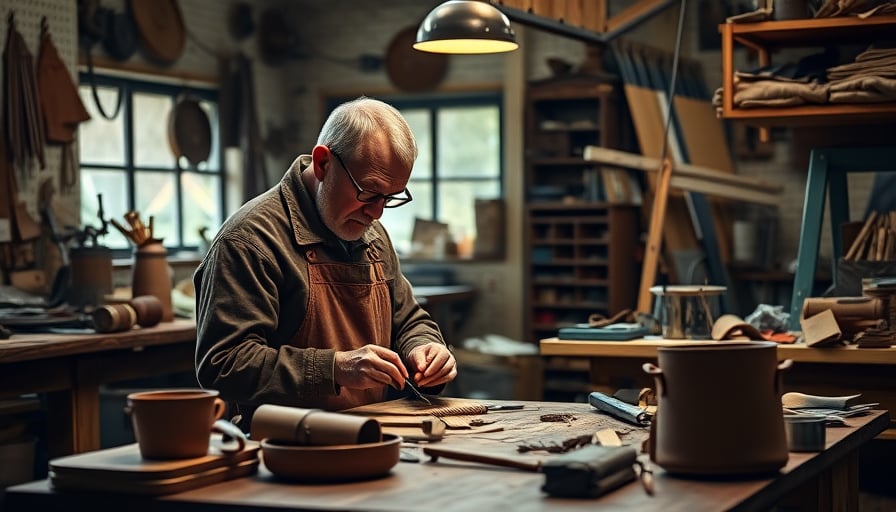
Kering’s emphasis on verticalising leather production aligns perfectly with these evolving preferences. By controlling the entire supply chain—from hide procurement to tanning and finishing—the conglomerate can guarantee both the quality and the provenance of its leather, thereby reinforcing trust among discerning buyers. Moreover, a tighter grip on materials allows Kering to differentiate its offerings in an increasingly crowded marketplace, where “logo‑centric” marketing is losing its luster.
2. Retail Innovation: The Omnichannel Imperative
In parallel with supply‑chain consolidation, Kering is advancing its omnichannel strategy to accommodate shifting consumer behaviors. Retail data from 2024 indicates that 47 % of luxury purchases originate from online platforms, while 35 % are made in physical boutiques. The remaining 18 % come from hybrid channels such as pop‑up events or social‑commerce initiatives.
Kering’s flagship brands—Gucci, Yves Saint Laurent, and Balenciaga—have introduced in‑store digital touchpoints that allow shoppers to scan product tags and receive instant provenance reports. This feature not only satisfies transparency demands but also reinforces the brand’s narrative of meticulous craftsmanship. Online, the conglomerate leverages AI‑driven styling assistants that recommend leather goods based on a customer’s purchase history and style preferences. These innovations create a seamless bridge between digital and physical touchpoints, ensuring that high‑net‑worth consumers can engage with luxury brands at any stage of their decision journey.
3. Supply Chain Innovations: Controlling Margins and Managing ESG
The high‑end leather market remains highly volatile, driven by fluctuating raw‑hide prices and tightening environmental regulations. In 2023, global calf‑skin prices spiked by 15 % due to increased demand from emerging luxury markets and stricter EU import guidelines. By verticalising, Kering mitigates exposure to these price swings and secures a more predictable cost base.
Kering’s focus on bio‑based leather alternatives further illustrates its proactive stance. In a joint venture with a European biomanufacturing firm, the conglomerate is testing algae‑derived leather that offers comparable durability while reducing the carbon footprint by up to 30 %. This experimentation positions Kering ahead of competitors still reliant on conventional calf‑skin sourcing, thereby enhancing its ESG score and appealing to environmentally conscious buyers.
4. Cross‑Sector Patterns: Consolidation and Competitive Differentiation
Market analysts observe that luxury brands with vertically integrated supply chains tend to exhibit higher gross margins and more resilient earnings during economic downturns. For instance, Kering’s reported gross margin in 2024 was 63 %, compared to 58 % for LVMH’s leather‑goods portfolio and 55 % for Richemont’s high‑end leather division. This margin advantage is partly attributable to tighter control over raw‑material costs and superior quality assurance.
In the broader specialty tanning sector, there is a discernible trend toward consolidation. Small‑to‑mid sized tanneries are being acquired by larger conglomerates to secure raw‑material supplies and expand their ESG credentials. Kering’s recent acquisition of a boutique European tannery, which specializes in small‑batch, eco‑friendly leather, underscores this strategy. By integrating such niche suppliers, Kering can offer exclusive, high‑margin products while maintaining stringent sustainability standards.
5. Strategic Editorial Perspective: Long‑Term Transformation Through Materiality
The narrative emerging from Kering’s recent strategic shifts is that materiality and supply‑chain control are becoming central pillars of profitability for luxury groups. Brands that can guarantee premium leather quality, traceability, and ESG compliance will likely dominate market share in the coming decade. Kering’s deliberate pivot from logo‑driven marketing to a subtle, investment‑style luxury, coupled with its vertical integration and omnichannel retail innovations, exemplifies a broader transformation within the consumer goods industry.
In the short term, these moves translate into higher margins, stronger brand equity, and increased consumer loyalty among high‑net‑worth shoppers. Over the long term, they set the stage for sustainable growth by aligning the conglomerate’s core capabilities with evolving consumer expectations and regulatory landscapes. As other luxury players grapple with similar challenges, Kering’s approach offers a blueprint for navigating the complex intersection of materiality, supply‑chain resilience, and omnichannel retailing in the high‑end leather market.