
Luxury Brands Re‑Aligning to a Post‑Pandemic Consumer Landscape
The recent strategic adjustments announced by Kering SA—streamlining its portfolio and sharpening operational efficiencies—underscore a broader shift within the luxury sector toward tighter brand management and heightened focus on high‑margin, iconic labels. This development is not an isolated corporate maneuver; it is a response to evolving consumer lifestyles, demographic transitions, and the accelerating convergence of digital and physical retail experiences.
The Digital‑Physical Nexus in Luxury Shopping
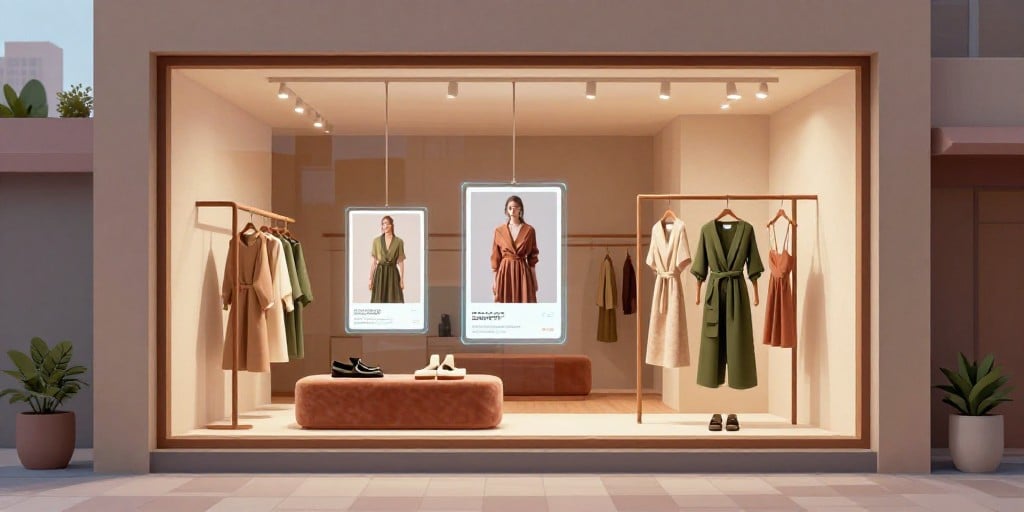
The COVID‑19 pandemic accelerated the adoption of omnichannel commerce, compelling luxury houses to integrate digital touchpoints—e‑commerce platforms, social‑media commerce, and immersive AR experiences—with the tactile allure of flagship stores. Kering’s emphasis on optimizing flagship houses suggests a strategic investment in experiential retail that complements its digital outreach. By offering curated in‑store encounters that cannot be replicated online, Kering can deepen brand loyalty among Gen Z and younger Millennial buyers who value authenticity and narrative.
Moreover, the rise of “live‑stream” shopping and virtual pop‑ups signals a new form of consumer engagement. Luxury brands that successfully marry the exclusivity of physical retail with the reach of digital channels will capture a larger share of the affluent, tech‑savvy market. Kering’s portfolio, which includes established houses such as Gucci and Saint‑Laurent, is well‑positioned to leverage this duality, provided it maintains rigorous brand stewardship across both touchpoints.
Demographic Shifts and Spending Patterns
Globally, the affluent consumer base is undergoing a generational transition. While Baby Boomers historically dominated luxury spending, Millennials and Gen Z now represent a significant and growing portion of high‑net‑worth households. These cohorts prioritize experiences, sustainability, and ethical production over mere brand prestige. Kering’s plan to focus on core, high‑margin brands allows for the allocation of resources toward sustainability initiatives—such as circular fashion programs and transparent supply chains—that resonate with younger buyers.
Simultaneously, the rise of emerging markets, particularly in Asia, continues to reshape luxury demand. Kering’s divestment strategy may free capital to penetrate these high‑growth regions, tailoring localized offerings while maintaining global brand equity. The company’s ability to balance heritage with innovation will be critical as it navigates cultural nuances in consumer expectations.
Cultural Movements and Business Opportunities
Contemporary cultural movements—such as the “slow fashion” ethos, the quest for digital identity, and the growing emphasis on mental wellness—are redefining luxury consumption. Consumers now seek brands that reflect personal values as much as status. Kering’s consolidation of its portfolio enables deeper storytelling, allowing each house to reinforce its unique narrative in alignment with cultural trends.
The intersection of lifestyle trends and consumer behavior also presents opportunities for co‑creation and limited‑edition collaborations. By partnering with artists, tech firms, and sustainability NGOs, Kering can create exclusive products that cater to niche subcultures, thereby driving engagement and premium pricing. These collaborations can be launched across both digital platforms (e‑commerce, NFT releases) and flagship stores (interactive exhibitions), creating a holistic brand experience.
Forward‑Looking Analysis
Operational Agility: Streamlining the brand portfolio will reduce overhead and accelerate decision‑making, allowing Kering to respond swiftly to market shifts and consumer sentiment. This agility is essential in a landscape where competitive dynamics can change within months.
Capital Reallocation: Selective divestments are expected to unlock capital that can be redeployed into high‑growth areas—digital commerce, sustainable supply chains, and experiential retail. Investors will monitor the pace and scale of these disposals as indicators of strategic execution.
Brand Revitalisation: Accelerated brand revitalisation projects—such as Gucci’s recent shift toward inclusive sizing and gender‑neutral collections—will likely deliver measurable ROI by attracting new customer segments and reinforcing brand relevance.
Geographic Expansion: With freed capital, Kering can intensify its presence in emerging luxury markets, tailoring product assortments and marketing campaigns to local preferences while leveraging its global heritage.
Sustainability Leadership: Integrating circularity and ethical sourcing across the portfolio will not only meet regulatory expectations but also appeal to socially conscious consumers, creating a competitive moat.
In sum, Kering’s current trajectory reflects a deliberate move toward a leaner, more resilient business model that aligns closely with macro‑level societal changes. By capitalising on the convergence of digital and physical retail, adapting to generational spending patterns, and embedding cultural relevance into its brand strategy, Kering is poised to drive value creation and influence the wider luxury sector in the coming years.