
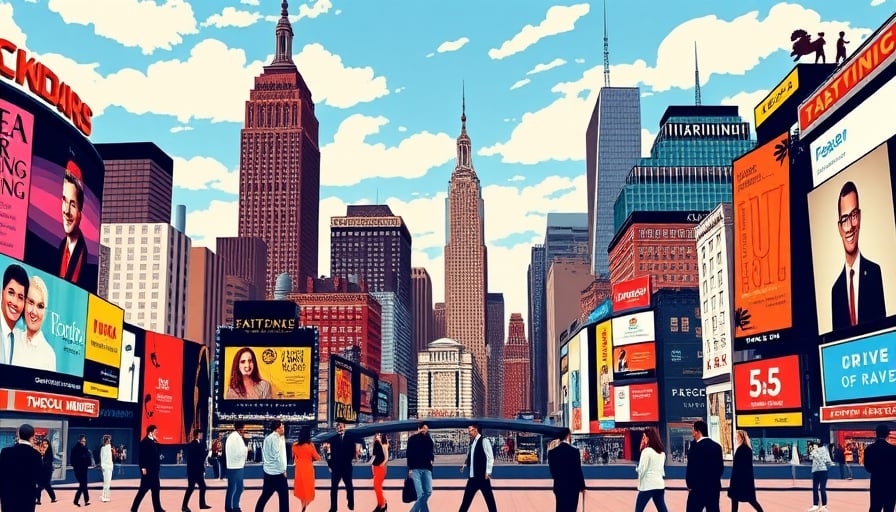
Kering’s Strategic Real‑Estate Sale: A Microcosm of Shifting Luxury Dynamics
Kering SA, the Paris‑based luxury conglomerate, has announced the sale of a property in New York that will deliver a substantial infusion of cash. The transaction is intended to reinforce the group’s liquidity amid a broader slowdown in global demand for high‑end fashion. While the sale of a single asset may appear as a routine financial maneuver, it reflects deeper currents that are reshaping consumer behavior, the retail landscape, and the broader business model of luxury brands.
The Intersection of Digital Transformation and Physical Retail
Luxury consumers today are increasingly navigating hybrid purchasing journeys. The pandemic accelerated the adoption of e‑commerce, but a growing cohort of consumers still values the tactile experience of a boutique. Kering’s liquidity boost will enable the conglomerate to invest in digital platforms—augmented‑reality try‑on tools, AI‑driven personalization, and data‑rich customer relationship management—while simultaneously preserving flagship stores that serve as experiential hubs.
- Digital Upsell: Data analytics can identify cross‑product affinities and suggest complementary items in real time.
- Experiential Retail: Stores can host pop‑ups, limited‑edition collaborations, and immersive storytelling sessions that translate online buzz into foot‑traffic.
By balancing these two realms, Kering can capitalize on the “experience economy” that values curated, in‑store moments alongside seamless online convenience.
Generational Spending Patterns and the Luxury Market
The current “generation Z” cohort is redefining luxury consumption. They prioritize authenticity, sustainability, and social impact over sheer brand prestige. In contrast, Millennials still gravitate toward iconic labels but demand transparency in supply chains. This generational split presents a dual opportunity:
- Sustainability‑Led Product Lines – Brands such as Gucci can expand their eco‑friendly collections, leveraging blockchain to certify provenance.
- Inclusive Pricing Models – Introducing tiered products—high‑end couture alongside accessible “pre‑luxury” items—can attract younger spenders without diluting brand equity.
The sale of the New York property gives Kering the financial headroom to fund such initiatives, ensuring relevance across age cohorts while protecting margins.
Cultural Movements as Business Catalysts
Modern consumers are increasingly aware of cultural narratives, and luxury brands that weave these stories into their offerings experience heightened loyalty. Kering’s portfolio already demonstrates this with Gucci’s collaborations that celebrate diverse artistic expressions. The liquidity injection will allow Kering to:
- Invest in Artist Partnerships – Limited‑edition releases that resonate with niche subcultures.
- Support Ethical Craftsmanship – Fund artisan training programs that honor traditional techniques, reinforcing the brand’s heritage narrative.
Such cultural engagements not only differentiate products but also foster community around the brand, creating a virtuous cycle of word‑of‑mouth marketing.
Forward‑Looking Market Opportunities
| Opportunity | Strategic Implication | Expected Impact |
|---|---|---|
| Digital‑First Experience | Develop AI‑driven styling assistants and virtual showrooms. | Higher conversion rates; reduced inventory risk. |
| Sustainability as Core | Allocate R&D to recycled materials and circular models. | Enhanced brand reputation; access to eco‑conscious investors. |
| Experiential Pop‑Ups | Deploy temporary stores in emerging markets. | Capture local demand; gather real‑time consumer data. |
| Tiered Product Lines | Introduce “pre‑luxury” sub‑brands under flagship names. | Diversified revenue streams; broadened customer base. |
The Kering real‑estate transaction thus serves as a financial lever, freeing capital to pursue these avenues. By aligning fiscal strategy with evolving consumer preferences, Kering can navigate the present market fatigue and position itself for sustained growth.
Conclusion
Kering’s decision to sell its New York property is emblematic of a broader industry recalibration. Luxury brands must now operate at the nexus of digital innovation and curated physical experiences, while tailoring offerings to distinct generational priorities and culturally resonant narratives. The liquidity gained will enable Kering to invest strategically in these domains, turning current market challenges into long‑term opportunities.