Corporate News: Market Dynamics and Kering SA in the Context of Societal Shifts
Kering SA, a preeminent player in the luxury apparel and accessories arena, has recently attracted heightened scrutiny from financial analysts and market watchers. HSBC’s latest assessment upgraded the stock to a “buy” recommendation and set a revised target price that signals a bullish outlook. This development arrives amid a broader resurgence in European equities, which have demonstrated resilience after periods of geopolitical strain that previously exerted pressure on luxury brands. While Kering’s share price has displayed volatility over the past year, the fresh analyst endorsement suggests that investors now perceive the firm’s strategic positioning and diversified brand portfolio as potential catalysts for upside in the present market environment.
The Intersection of Digital Transformation and Physical Retail
Luxury consumers are increasingly navigating a hybrid marketplace, wherein the line between online and in‑store experiences is becoming porous. Kering’s portfolio of houses—Gucci, Saint‑Laurent, Bottega Veneta, among others—has been actively investing in omnichannel capabilities. Digital platforms provide personalized storytelling, while flagship stores deliver experiential depth that reinforces brand heritage. The convergence of these touchpoints offers a compelling value proposition: shoppers can prototype virtually, receive curated recommendations through AI, and then finalize purchases in a tactile setting that enhances perceived value.
From an investment perspective, the firm’s commitment to integrating immersive technologies (e.g., virtual try‑ons, blockchain‑based provenance) into both its e‑commerce and brick‑and‑mortar operations positions it favorably to capture a segment of consumers who seek seamless, tech‑enabled journeys. This duality also mitigates distribution risk, as it allows the company to pivot between channels in response to macroeconomic headwinds or shifts in consumer behavior.
Generational Spending Patterns and Market Opportunities
The shift from the “Baby Boomer” to the “Gen Z” and “Millennial” cohorts has altered luxury consumption dynamics. Younger buyers prioritize experiential purchases, ethical sourcing, and digital engagement. Kering’s emphasis on sustainability—evidenced by its “Planet 10” pledge and circular fashion initiatives—aligns closely with these values. Moreover, Gen Z’s preference for curated, niche brands over mainstream labels dovetails with Kering’s focus on distinctive, high‑quality design.
Financial analysts view these demographic trends as a source of upside. The company’s ability to appeal to both affluent traditionalists and the value‑centric younger demographic enables a broader revenue base. Additionally, the rise of “luxury‑as‑a‑service” models (e.g., subscription boxes, resale platforms) offers Kering avenues to generate recurring income streams and deepen customer relationships.
Cultural Movements and Consumer Experience Evolution
Societal emphasis on authenticity, storytelling, and community is reshaping luxury consumption. Kering’s brand houses have leveraged collaborative projects—such as Gucci’s partnership with artists and designers—to cultivate a sense of belonging among consumers. This cultural curation fosters brand loyalty beyond the transactional level.
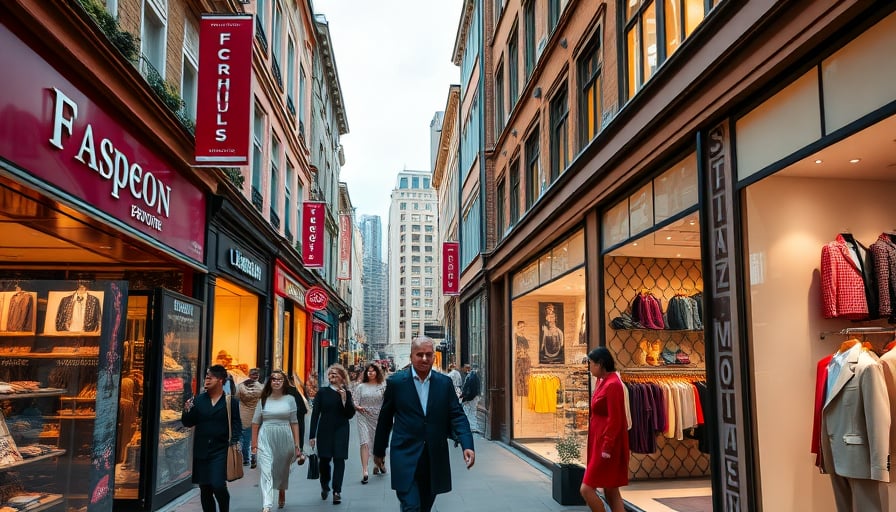
Simultaneously, experiential retail—workshops, pop‑ups, and immersive brand events—has become a key differentiator. By investing in dynamic in‑store experiences that highlight craftsmanship, Kering taps into consumers’ desire for connection and narrative. The convergence of physical and digital storytelling further amplifies this effect, providing a multi‑sensory journey that strengthens brand equity.
Forward‑Looking Analysis
- Hybrid Retail Resilience – Kering’s robust omnichannel strategy mitigates exposure to any single channel’s downturn, ensuring continuity amid economic fluctuations.
- Sustainability as a Growth Driver – The firm’s proactive stance on environmental and social responsibility resonates with younger demographics, positioning it favorably in markets where ESG criteria are increasingly decisive.
- Data‑Driven Personalization – Leveraging customer data to tailor experiences and product recommendations can deepen loyalty and increase basket size.
- Emerging Markets Potential – Expanding into fast‑growing luxury hubs (e.g., China, Southeast Asia) offers high‑growth opportunities, especially when supported by localized digital platforms.
- Circular Economy Monetization – Capitalizing on resale and refurbishment can create new revenue streams while reinforcing brand sustainability credentials.
In summary, Kering’s strategic alignment with evolving consumer lifestyles, demographic shifts, and cultural movements underpins its current positive market reception. The company’s balanced focus on digital innovation, experiential retail, and responsible practices positions it to capture new opportunities while sustaining long‑term growth in an increasingly complex luxury landscape.