
Corporate News Report
Executive Summary
Keurig Dr Pepper Inc. (KDP) has announced a strategic expansion into the French market, planning to build a highly automated logistics center in Lyon. Coupled with a newly released climate report detailing environmental targets, the initiative signals KDP’s commitment to scaling its European footprint while integrating digital innovation and sustainability into its supply chain. This move reflects broader shifts in consumer behavior, generational purchasing patterns, and the evolving interface between physical retail and digital commerce.
The Digital–Physical Nexus in Retail
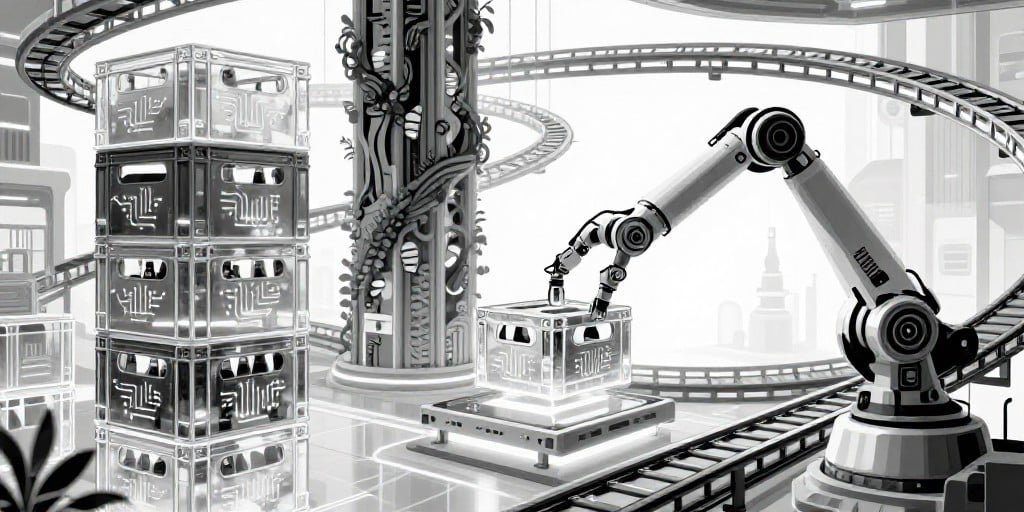
KDP’s Lyon facility represents a microcosm of the “last‑mile” logistics revolution. Automation, AI‑driven inventory management, and IoT connectivity are reshaping how products move from warehouse to store. For consumers, this translates into faster delivery times and more consistent product availability—key drivers of loyalty in a market increasingly dominated by online retail.
The physical presence of a regional hub also supports experiential retail strategies. Stores can stock fresh, locally relevant assortments while the automated backend ensures efficient replenishment. This hybrid model aligns with a growing trend: shoppers now expect seamless integration between digital ordering and in‑store pickup or returns. By investing in an automated center, KDP positions itself to meet these expectations without compromising on operational scale.
Generational Spending and Lifestyle Shifts
Data indicate that Generation Z and Millennials are accelerating their consumption of ready‑to‑drink beverages, prioritizing convenience, sustainability, and brand authenticity. These cohorts are also the most digitally native, favoring mobile‑first ordering experiences and value transparency in supply chains.
KDP’s automation strategy dovetails with these preferences. An automated logistics center can reduce lead times, enabling KDP to quickly introduce limited‑edition flavors or niche products that resonate with trend‑savvy consumers. Moreover, the ability to track and report real‑time sustainability metrics satisfies the growing demand for corporate responsibility, a key differentiator in a crowded beverage market.
Cultural Movements and Market Opportunities
The French consumer culture places high importance on quality and heritage, yet increasingly values sustainability and ethical sourcing. By publishing a comprehensive climate report and embedding renewable energy solutions in the Lyon hub, KDP taps into the “green consumer” movement that is now a decisive factor in purchasing decisions.
Additionally, the expansion reflects a broader European shift toward localized production and distribution to mitigate supply‑chain disruptions seen during recent geopolitical and pandemic events. For KDP, this strategy reduces dependency on cross‑border logistics, lowers carbon footprints, and positions the company as a resilient, forward‑thinking partner in the European market.
Forward‑Looking Analysis
Digital Transformation as a Competitive Advantage Automation and data analytics will become standard metrics for operational efficiency. KDP’s Lyon center could serve as a proof‑point for scalable, digitized logistics that other beverage firms may emulate, creating a niche market for logistics consulting and tech licensing.
Evolving Consumer Experiences As shoppers demand instant gratification, integrated omnichannel strategies will be essential. KDP’s infrastructure supports real‑time inventory visibility, enabling personalized marketing and dynamic pricing models that can capture higher margins.
Sustainability as a Revenue Driver The climate report positions KDP to capitalize on emerging ESG (Environmental, Social, Governance) investment flows. Transparency in sustainability metrics can attract institutional investors, improve brand equity, and open pathways to collaborations with eco‑innovators.
Demographic Alignment By aligning product innovation cycles with the fast pace of Gen Z and Millennial trends, KDP can maintain relevance. The automated center allows rapid prototyping and distribution of experimental flavors, facilitating real‑time consumer feedback loops.
Conclusion
Keurig Dr Pepper’s Lyon logistics expansion encapsulates a strategic convergence of digital technology, physical retail resilience, and sustainability commitments. By addressing generational expectations and cultural preferences, the company is not only expanding its footprint but also forging a blueprint for how consumer brands can thrive amid societal change. The Lyon hub, therefore, represents both an operational milestone and a forward‑looking investment in the evolving landscape of global consumer goods.