
Corporate News
Kansai Electric Power Co. Inc., headquartered in Osaka, remains a key player in Japan’s evolving power landscape. The company’s portfolio spans hydroelectric, thermal, geothermal, and nuclear generation, and it supplies electricity to the Osaka metropolitan area and the wider Kansai region. Recent actions by the utility reflect broader national priorities on renewable integration, nuclear revitalization, and grid modernization.
1. Renewable Energy Upgrades and Grid Stability
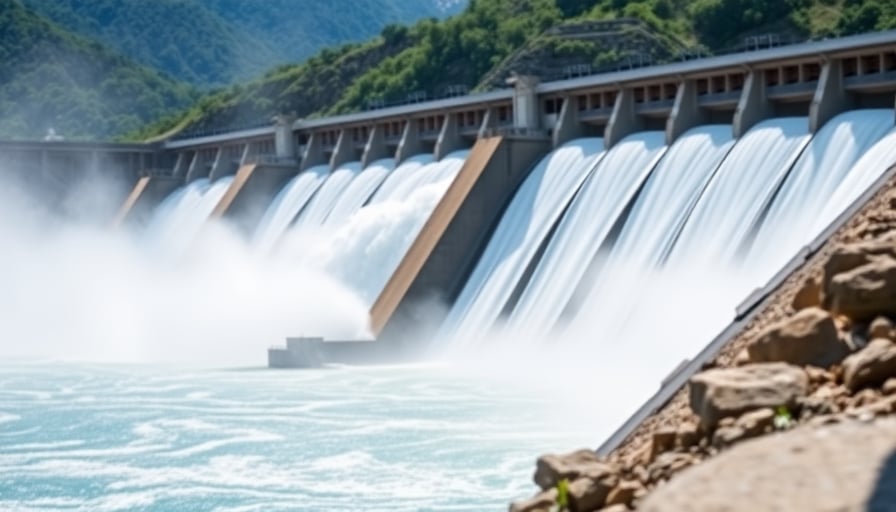
Kyodo News reported that Japan’s leading utilities have upgraded 187 hydropower plants in the past year. These retrofits—often incorporating variable‑speed generators, advanced turbine controls, and digital SCADA systems—enable finer load‑frequency control and enhanced reactive power support. For a grid that is progressively integrating intermittent renewables such as solar PV and offshore wind, such improvements are essential. Hydropower’s ability to provide rapid ramp‑rate adjustments helps counteract the inherent variability of non‑dispatchable sources, thereby preserving system frequency and voltage stability.
2. Nuclear Resurgence and Fuel Supply Chain
The Japanese government’s push for increased public financing of nuclear power is aimed at accelerating the restart of major plants, notably the Kashiwazaki‑Kariwa facility. Kansai Electric’s long‑term agreement with Kazakhstan’s nuclear company to purchase natural uranium concentrate positions it favorably in the domestic fuel supply chain. By securing a steady inflow of low‑enriched uranium, the utility can reduce reliance on volatile international markets and support the long‑term economic feasibility of nuclear operations. This strategy also aligns with the country’s goals to reduce CO₂ emissions while maintaining baseload capacity.
3. Transmission and Distribution Challenges
Integrating higher shares of renewables and nuclear generation into a grid that historically relied on centralized thermal plants imposes several technical constraints:
| Constraint | Impact | Mitigation Measure |
|---|---|---|
| Voltage Stability | Intermittent generation causes voltage dips or surges. | Deployment of STATCOMs, U‑VAr compensators, and flexible AC transmission system (FACTS) devices. |
| Frequency Regulation | Rapid changes in generation output can swing system frequency. | Hydro‑thermal coordination, battery energy storage, and demand‑response programs. |
| Congestion Management | Increased bidirectional flows can overload lines. | Adaptive protection schemes, dynamic line ratings, and investment in HVDC corridors. |
Kansai Electric is investing in high‑capacity, high‑voltage transmission upgrades to facilitate power exchange across the Kansai region and to the national grid. The utility’s plans include the deployment of 500 kV HVDC links and the implementation of wide‑area measurement systems (WAMS) to improve situational awareness and automated corrective actions.
4. Regulatory Frameworks and Rate Structures
Japan’s regulatory environment for utilities is governed by the Electric Power Industry Law (EPI Law) and the Electricity Regulatory Authority (ERA). Recent reforms have introduced:
- Performance‑Based Regulation (PBR) for nuclear and thermal plants, tying revenue to reliability and outage metrics.
- Feed‑in Tariffs (FITs) for renewables, gradually phased to reduce rates and encourage market‑based bidding.
- Transmission Tariff Adjustments that reflect cost of infrastructure investments and grid reliability requirements.
For Kansai Electric, the shift toward PBR means higher incentives for maintaining stringent outage performance, thereby driving investments in plant modernization. The gradual reduction in FITs, however, may compress margins for newly integrated renewable projects, compelling the utility to pursue cost‑efficient generation alternatives such as upgraded hydro or nuclear.
5. Economic Implications for Utility Modernization
The capital intensity of upgrading generation assets, expanding transmission, and deploying advanced control systems translates into significant financial outlays. Kansai Electric’s recent procurement of natural uranium concentrate is a strategic move to stabilize fuel costs, which have historically constituted a large portion of operating expenses. Moreover, the utility’s commitment to grid stability technologies (e.g., FACTS, HVDC) is expected to yield long‑term savings by reducing outage-related penalties and by enabling higher penetration of intermittent renewables without compromising reliability.
From a consumer perspective, the transition to a more diversified mix of generation sources will have mixed effects:
- Short‑term: Possible rate increases due to investment recovery costs, especially in regions experiencing higher transmission congestion.
- Long‑term: Stabilization of supply costs as renewable penetration rises and fuel price volatility diminishes; potential for lower CO₂‑related taxes as the grid decarbonizes.
6. Engineering Insights into Power System Dynamics
The interaction between hydro, nuclear, and renewable generation can be modeled using dynamic simulation tools (e.g., PSS®E, DIgSILENT Power Factory). Key dynamics include:
- Load‑Frequency Control (LFC): Hydro plants provide primary LFC, while nuclear plants contribute secondary LFC via turbine governor settings. The balance between these sources is critical to prevent frequency oscillations.
- Reactive Power Management: Nuclear plants are typically equipped with synchronous condensers, while hydro units can be reconfigured to supply reactive power. Coordinated reactive support mitigates voltage sags caused by long transmission paths.
- Transient Stability: In the event of a fault, the combined inertia of nuclear and hydro units enhances system stability, reducing the risk of cascading blackouts.
Understanding and optimizing these dynamics is essential for the seamless integration of high renewable shares while maintaining the reliability standards mandated by the ERA.
7. Conclusion
Kansai Electric’s recent initiatives—upgrading hydropower infrastructure, securing nuclear fuel supplies, and advancing transmission capabilities—illustrate a proactive strategy aligned with national energy policy objectives. By navigating regulatory changes, investing in grid stability technologies, and managing the economic trade‑offs of modernization, the utility positions itself to contribute effectively to Japan’s transition toward a more resilient, low‑carbon power system.