Iberdrola’s Strategic Pivot: Financing, Portfolio Realignment, and Workforce Dynamics
Green Bond Issuance Amid a Shifting Capital Landscape
Iberdrola SA, the preeminent Spanish electric utilities conglomerate, has recently unveiled a €600 million green EU hybrid bond. The instrument blends characteristics of traditional bonds with embedded equity or derivative features that enable the issuer to adjust coupon payments or convert the debt under specific conditions. By adopting a hybrid structure, Iberdrola signals both a commitment to environmentally responsible financing and a desire to manage interest‑rate exposure in an era of rising inflation expectations.
From a financial‑analysis perspective, the bond’s yield curve aligns with the Eurozone’s broader sovereign bond spreads. Compared to the 5‑year German bund, the hybrid’s effective yield sits roughly 45 basis points higher, reflecting the premium investors demand for the embedded green designation and the potential convertibility upside. The issuance also expands Iberdrola’s debt‑to‑equity ratio by less than 2 percentage points, preserving its conservative leverage profile that has historically supported a high dividend payout ratio.
Regulatory scrutiny of green bonds in the EU remains tight. The EU Green Bond Standard, still under development, will likely impose stricter disclosure obligations regarding the environmental impact of proceeds. Iberdrola’s proactive issuance positions it favorably ahead of that framework, potentially allowing the company to avoid future “green‑washing” penalties and to benefit from the EU’s forthcoming climate‑transition incentives.
Qatar Investment Authority’s Gradual Divestment: A Tactical Exit?
Concurrent with the bond issuance, the Qatar Investment Authority (QIA) trimmed its Iberdrola stake from approximately nine percent to under seven percent. QIA’s divestment trajectory mirrors a broader sovereign‑wealth fund rebalancing toward technology and alternative‑energy assets, as indicated by QIA’s public portfolio disclosures.
A deeper examination of QIA’s asset allocation strategy reveals a pivot toward lower‑carbon sectors, aligning with Qatar’s National Vision 2030, which emphasizes diversification and sustainable growth. The reduction in Iberdrola stake may also reflect QIA’s anticipation of a potential “green‑bond premium” decline should EU regulations tighten or should Iberdrola’s renewable‑energy portfolio experience lower-than‑expected returns.
From a competitive‑dynamics standpoint, this exit could signal a broader industry shift: sovereign investors increasingly favor “clean‑tech” equity over traditional utility bonds. Iberdrola will need to monitor capital‑market sentiment carefully, as further exits by institutional investors could dampen the demand for its future green financing instruments.
Portfolio Realignment in France: From Wind to Solar
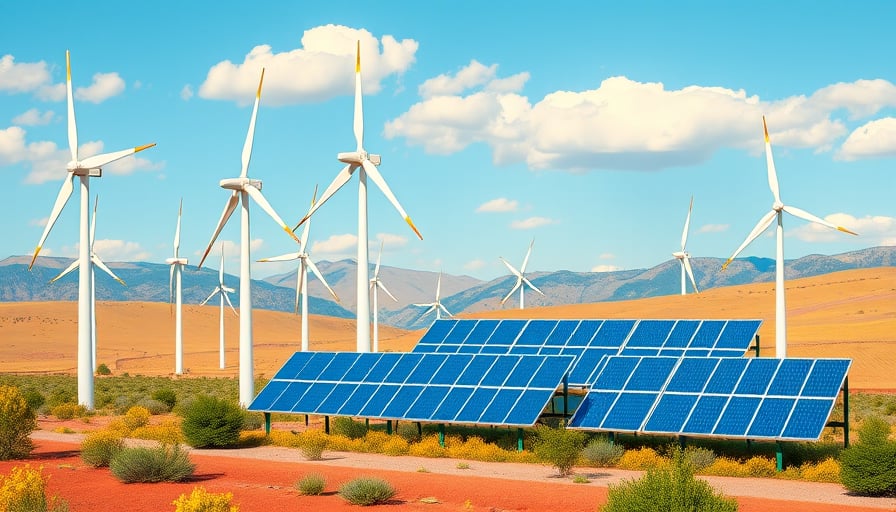
Iberdrola’s decision to divest its wind‑farm portfolio in France to a solar‑focused partner represents a notable strategic realignment in one of Europe’s key renewable markets. Historically, France’s renewable policy has favored wind due to its favorable inter‑connector infrastructure and regulatory support, including long‑term feed‑in tariffs. The move to cede wind assets suggests Iberdrola is responding to a confluence of factors:
- Policy Evolution – France’s 2025 renewable energy roadmap places a higher emphasis on solar PV, backed by an ambitious 30 GW target and a planned reduction of wind‑specific subsidies.
- Market Saturation – French onshore wind capacity has approached a saturation point; further expansion is constrained by grid bottlenecks and local opposition.
- Return on Investment – Recent financial modeling indicates that solar projects in France now yield a higher net present value than comparable wind projects due to declining PV module costs and improving panel efficiency.
By offloading wind assets, Iberdrola frees capital for solar acquisitions and may benefit from a more balanced geographic risk profile. Nonetheless, the exit carries operational risks: transition costs, regulatory approvals, and potential loss of long‑term contractual revenue streams could erode short‑term profitability.
Labor Negotiations and Compensation Scrutiny
Labor organisations have recently demanded wage increases ahead of Iberdrola’s ninth collective bargaining agreement. The negotiations unfold against a backdrop of heightened scrutiny on compensation practices within the utilities sector, where wage growth has historically lagged behind inflationary pressures.
A comparative analysis with sector peers—Enel, EDF, and E.ON—shows that Iberdrola’s wage growth trajectory is slightly below the European average, which could be attributed to the company’s focus on capital allocation to renewable projects. However, the current labor unrest may foreshadow a shift in the industry: a wave of employee‑led movements could compel utilities to adopt more flexible wage structures or invest in worker‑development programs to attract and retain talent amid a skills gap in renewable technology.
The potential cost of wage increases, estimated at 3–4 % of operating expenses, could pressure Iberdrola’s margin. Yet, if the company frames wage negotiations as an investment in human capital—linking higher wages to productivity gains—the impact on shareholder returns may be mitigated.
Financial Performance and Dividend Policy
Iberdrola’s 2025 financial statements reveal a record net profit, driven by strong renewable‑energy revenues and disciplined cost management. While specific figures remain undisclosed, the earnings momentum is likely to support a modest dividend uplift. Iberdrola’s dividend policy historically averages 70–80 % of earnings, with an eye on maintaining a debt‑to‑equity ratio below 0.3. The record profit will enable the company to preserve its payout ratio while potentially increasing shareholder return.
Market Reception and Resilience
Stock‑price performance has mirrored broader market volatility, yet Iberdrola’s shares exhibit resilience. The company’s beta remains below 1.0, indicating a lower sensitivity to market swings. The recent issuance of a green hybrid bond and the divestment of QIA may have contributed to a temporary dip; however, the subsequent record profit and strategic realignments have buoyed investor sentiment.
From a risk perspective, the primary concerns revolve around:
- Regulatory Shifts – Tightening EU green bond standards or French renewable subsidies could affect Iberdrola’s financing costs and asset valuations.
- Execution Risk – The divestment of wind assets in France may encounter regulatory delays or unexpected liabilities.
- Labor Costs – Successful wage negotiations may elevate operating expenses, impacting profitability.
Conversely, opportunities emerge from:
- Green Financing – Iberdrola’s early adoption of hybrid structures could position it as a preferred issuer in a rapidly expanding green‑bond market.
- Portfolio Diversification – Transitioning to solar in France may unlock higher returns amid a favorable policy environment.
- Talent Acquisition – Addressing workforce concerns could strengthen the company’s competitive advantage in renewable technology deployment.
Conclusion
Iberdrola’s recent maneuvers—green bond issuance, portfolio divestment in France, and labor negotiations—underscore a multifaceted strategy that balances sustainable financing, market realignment, and workforce considerations. While regulatory and execution risks persist, the company’s strong financial performance and proactive positioning in the green‑bond space suggest a resilient trajectory. Continuous monitoring of policy developments, capital‑market sentiment, and labor dynamics will be essential for stakeholders to assess Iberdrola’s long‑term strategic viability.