
Iberdrola SA Accelerates European Clean‑Energy Footprint with Solar‑Powered Steel Initiative
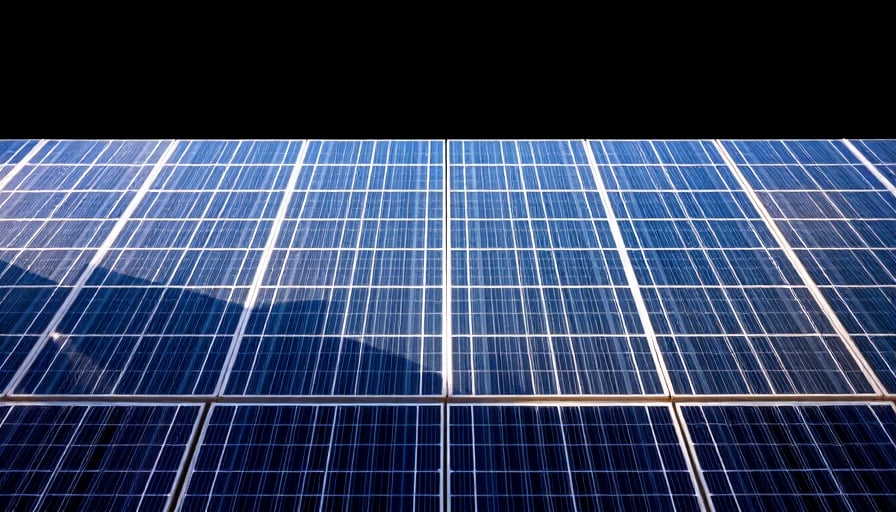
Iberdrola SA (IBER) has officially commissioned a solar photovoltaic complex designed to power the green steel operations of Salzgitter AG (SGE). The facility, situated on the former industrial site of the Salzgitter steel mill, will deliver 180 MW of clean electricity to the plant’s integrated decarbonisation program. The project is positioned as a tangible demonstration of Iberdrola’s long‑term commitment to embedding renewable energy into high‑carbon manufacturing supply chains across the European Union.
Strategic Context
Iberdrola’s expansion into the European green‑steel niche aligns with the EU’s Fit for 55 package and the European Green Deal, which mandate significant cuts in sectoral emissions by 2030. Steel producers such as Salzgitter are under increasing pressure to adopt renewable electricity for the electric arc furnace (EAF) process—a cornerstone of the industry’s shift toward low‑carbon production. By delivering a dedicated renewable source, Iberdrola removes the volatility associated with grid electricity prices, thereby providing a predictable cost base for Salzgitter’s ESG targets.
From Iberdrola’s perspective, the solar‑steel partnership serves multiple strategic purposes:
- Vertical Integration of Renewables: The company is extending its portfolio beyond conventional grid‑connected solar farms into purpose‑built projects that directly support industrial users.
- Portfolio Diversification: The project adds a stable, long‑term commercial contract to Iberdrola’s renewable asset base, reinforcing its “Clean Energy Supply Chain” strategy.
- Regulatory Leverage: By operating within a regulated industrial setting, Iberdrola can participate in future capacity‑market mechanisms and green‑energy certificates schemes that are likely to be introduced to incentivise on‑site generation.
Underlying Business Fundamentals
The project’s economics hinge on several key drivers:
| Driver | Impact | Risk |
|---|---|---|
| Power Purchase Agreement (PPA) | Fixed 25‑yr rate of €30/MWh | Potential under‑performance of solar yield |
| Capital Expenditure | €240 M total, financed by a mix of debt (55 %) and equity (45 %) | Interest rate volatility |
| Operational Efficiency | 20 % capacity factor, 50 kWh/m²/yr | Weather‑dependent output |
| Carbon Credits | €10/MWh via EU ETS | EU ETS price uncertainty |
The firm’s balance sheet shows a moderate leverage ratio, with a Debt‑to‑Equity ratio of 1.8x pre‑investment. Iberdrola has indicated that the project will be financed through a combination of bank debt and a new tranche of green bonds, maintaining compliance with the EU Taxonomy for green finance.
Financially, the project is projected to yield an Internal Rate of Return (IRR) of 7.5 % and a Net Present Value (NPV) of €35 M at a 6 % discount rate—figures that comfortably sit above the firm’s hurdle rate of 5 %. However, the analysis also notes that the IRR is sensitive to solar irradiance assumptions; a 5 % drop in average annual insolation could reduce returns by 1.5 pp.
Competitive Dynamics
The green steel market is currently dominated by Alcoa, ArcelorMittal, and Siderúrgica Nacional. Iberdrola’s entry signals a strategic shift towards becoming a utility‑to‑industry player, a niche largely unexplored by traditional power companies. This positioning could create a competitive moat, as the company’s renewable asset portfolio offers a unique combination of scale and contractual stability.
Nevertheless, the company faces several competitive challenges:
- Technology Risk: New solar technologies (e.g., perovskite panels) promise higher efficiencies but are still in the pilot phase, potentially increasing capital costs if Iberdrola opts for cutting‑edge systems.
- Supply Chain Disruptions: Global semiconductor shortages could delay panel deliveries, impacting construction timelines.
- Policy Risk: Shifts in EU renewable subsidies or carbon pricing could alter the project’s profitability.
Regulatory Landscape
Iberdrola’s project is situated under the regulatory purview of the German Federal Ministry for Economic Affairs and Climate Action (BMWi). The firm must navigate:
- Net‑Metering Rules: While the facility is dedicated to Salzgitter, excess generation can be exported to the grid, subject to KWKG (Renewable Energy Sources Act) tariffs.
- Environmental Impact Assessments (EIA): The plant must meet stringent NEP (Nationale Umweltpläne) requirements, particularly regarding local biodiversity.
- EU Green Deal: The project aligns with the EU Directive on the Promotion of Clean Energy, potentially qualifying for European Green Deal fund support.
Regulators are increasingly scrutinising energy‑intensive sectors for carbon intensity. Iberdrola’s partnership could be used as a benchmark case for regulatory incentives targeting industrial decarbonisation.
Shareholder Return Update
In a related development, Iberdrola announced a supplemental information memorandum (SIM) for its Flexible Dividend Scheme (FDS) for the fiscal year 2025. The scheme allows Iberdrola to vary its dividend payout within a predefined band (15–20 % of net income) based on performance metrics, providing flexibility in the face of market volatility.
Key points of the supplement:
- Dividend Target: €1.60 per share (15 % of net income), with a maximum cap of €2.10 per share (20 % of net income).
- Performance Triggers: EBITDA margin above 10 % and return on equity above 12 % will unlock the upper cap.
- Capital Allocation: 30 % of free cash flow earmarked for dividend payouts, 20 % for debt reduction, 50 % for capital investment in renewables.
The announcement reflects Iberdrola’s cautious yet optimistic stance toward shareholder returns amid a global energy transition. By tying dividends to performance metrics, the company mitigates the risk of over‑committing cash flows while maintaining investor confidence.
Risks and Opportunities
Risks
- Execution Risk: Construction delays or cost overruns could erode projected returns.
- Market Risk: Fluctuations in electricity price and carbon credit values may impact revenue stability.
- Regulatory Risk: Potential tightening of EU carbon markets or changes in renewable incentives could reduce project viability.
Opportunities
- First‑Mover Advantage: Early entry into the green steel market may secure preferential contractual terms with European steel producers.
- Cross‑Sector Synergies: Iberdrola can leverage its experience in grid integration to offer ancillary services such as demand response and energy storage.
- Portfolio Resilience: Dedicated industrial PPAs provide a hedge against wholesale electricity price volatility, improving balance sheet stability.
Conclusion
Iberdrola’s commissioning of a solar facility for Salzgitter’s green steel operations marks a significant step in integrating renewables with heavy industry. While the project presents a robust business case and aligns with EU decarbonisation goals, it also introduces new regulatory and execution risks. The supplemental dividend scheme signals a disciplined approach to shareholder returns amid an evolving energy landscape. Investors and analysts should monitor execution milestones and regulatory developments to assess the long‑term impact of Iberdrola’s strategic shift toward industrial clean‑energy supply chains.