
Corporate Implications of Germany’s Proposed Tiered Sugar‑Sweetened Beverage Tax
The German government’s deliberations on a graduated tax for sugar‑sweetened beverages—supported by Health Minister Nina Warken—represent a pivotal moment for consumer‑facing businesses. While the proposal is still under review, the policy trajectory signals profound shifts in lifestyle, demographics, and cultural norms that will reshape market dynamics across the food and beverage, retail, and health‑tech sectors.
Lifestyle Trends and the Rise of Health‑Conscious Consumption
Germany, like many advanced economies, has witnessed a marked pivot toward health‑first living. The COVID‑19 pandemic accelerated a generation‑wide re‑evaluation of diet, exercise, and preventive care. According to a recent Eurobarometer survey, 68 % of respondents now consider sugar intake a priority, and 43 % report actively reducing consumption of sugary drinks. This shift is not confined to older cohorts; millennials and Gen Z are leading the charge, often leveraging mobile apps to track nutrition and share progress on social media.
For brands that have historically relied on high‑sugar beverages as key revenue drivers, the tax introduces both risk and opportunity. A tiered levy that correlates with sugar content could erode market share for conventional colas and sweetened lemonades. Yet it simultaneously opens a gateway for product innovation—low‑sugar or zero‑sweetener alternatives, natural fruit‑based drinks, and functional beverages infused with vitamins or probiotics.
Demographic Shifts and Generational Spending Patterns
Germany’s demographic landscape is evolving. The “Baby Boomer” cohort—now aging—continues to spend on premium, health‑related goods, whereas younger consumers gravitate toward experiential purchases and digital convenience. The proposed tax aligns with the spending priorities of the latter groups, who are more receptive to “clean‑label” products and willing to pay a premium for perceived health benefits.
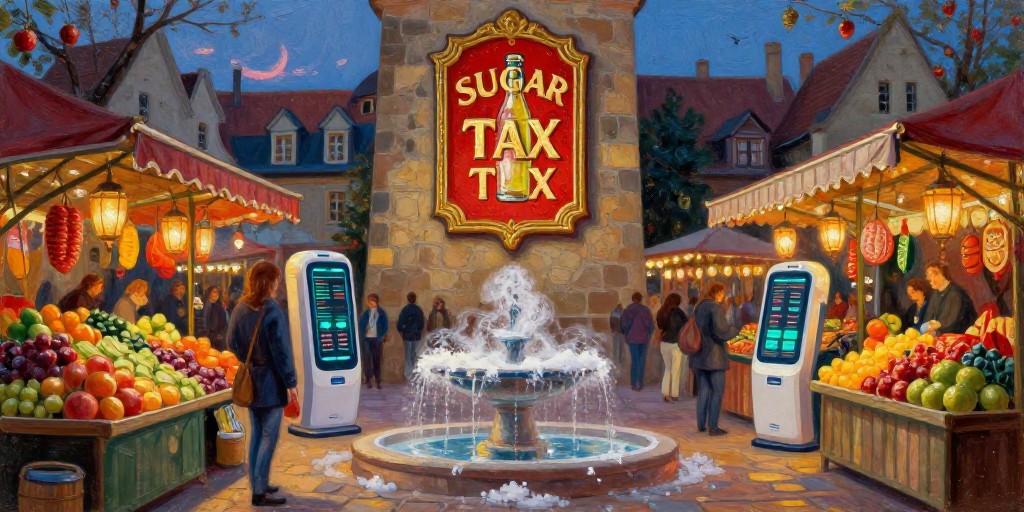
Retailers that can blend physical and digital touchpoints stand to thrive. Experiential pop‑up stores showcasing sugar‑free offerings, paired with interactive kiosks that educate consumers on sugar content, can attract foot traffic while reinforcing brand credibility. At the same time, e‑commerce platforms that personalize product recommendations based on individual health goals can capture the growing online shopping share among younger demographics.
Cultural Movements and the Evolution of Consumer Experience
Culturally, Germany is moving toward transparency and sustainability. Food‑origin labels, carbon footprints, and ethical sourcing narratives resonate deeply with contemporary consumers. The sugar‑sweetened beverage tax dovetails with this cultural momentum by institutionalizing a public commitment to healthier consumption.
Businesses that respond proactively can embed the tax’s implications into their brand storytelling. For instance, a soft‑drink company could re‑position its flagship cola as a “reduced‑sugar” variant, supported by a marketing campaign that emphasizes both taste and health benefits. Meanwhile, consumer‑protection advocates, whose voices have already influenced the debate, will likely scrutinize the policy’s implementation. Companies that demonstrate compliance and transparency—such as publicly disclosing sugar levels and supporting independent testing—can mitigate reputational risk.
Digital Transformation Meets Physical Retail
The intersection of digital and physical retail presents a fertile arena for innovation. Brick‑and‑mortar outlets can leverage data from loyalty programs to predict demand for lower‑sugar products and adjust inventory accordingly. Augmented‑reality (AR) displays that allow shoppers to visualize the sugar content in real time can enhance decision‑making and reduce impulse purchases of high‑sugar items.
On the digital front, subscription boxes featuring curated selections of reduced‑sugar drinks, delivered monthly, cater to the experiential mindset of younger shoppers. Mobile payment integration and contactless ordering streamline the purchase process, reinforcing convenience—a key driver for Gen Z spending.
Forward‑Looking Market Opportunities
Product Diversification: Companies can accelerate the development of low‑sugar, natural‑ingredient beverages. Partnerships with health‑tech firms can yield smart packaging that tracks consumption and offers personalized suggestions.
Retail Innovation: Experiential stores and hybrid “smart” shelves that display nutritional data can attract health‑conscious consumers. Integrating loyalty data with AI-driven inventory management optimises stock levels, reducing waste.
Digital Platforms: E‑commerce sites that curate wellness‑oriented drink portfolios can capture online traffic. Data analytics can segment users by health goals, enabling highly targeted marketing.
Supply‑Chain Transparency: Blockchain‑based traceability of sugar sources can enhance credibility and meet the growing demand for ethical sourcing.
Policy Engagement: Firms that engage constructively with regulators—providing evidence-based input on the tax’s design—can influence outcomes favorable to industry sustainability.
Conclusion
Germany’s proposed tiered tax on sugar‑sweetened beverages is more than a fiscal measure; it is a catalyst for a broader reorientation of consumer habits, business models, and retail landscapes. Companies that align product innovation with health trends, embrace integrated digital‑physical retail strategies, and proactively engage with evolving cultural expectations will convert societal shifts into tangible market opportunities. The coming weeks, as the cabinet finalises the policy, will be critical for stakeholders to recalibrate strategies and secure a competitive edge in a market increasingly driven by wellness, transparency, and experiential consumption.