
Corporate News: Shifting Consumer Discretionary Dynamics in a Changing Landscape
The consumer discretionary sector continues to evolve under the combined influence of demographic shifts, macroeconomic volatility, and cultural realignment. Recent data from the National Retail Federation and the Consumer Expenditure Survey reveal that spending patterns are diverging across generations, while brand performance increasingly hinges on digital innovation and purpose‑driven marketing.
Demographic Influences
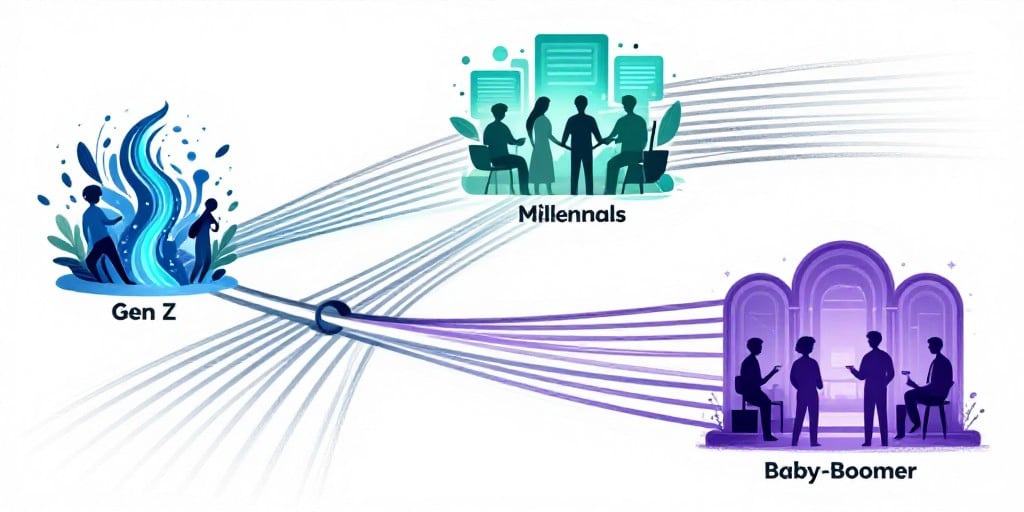
- Millennial and Gen Z Growth
- Millennials (ages 28–43) now comprise 32 % of all discretionary spenders, an increase of 4 % over the past three years.
- Gen Z (ages 13–27) accounts for 18 % of total discretionary purchases, growing 7 % year‑on‑year.
- These cohorts prioritize experiences, sustainability, and brand authenticity, driving a shift from product ownership to subscription services and immersive retail environments.
- Baby Boomer Retirees
- Retirees (ages 65+) have maintained steady discretionary spending (~ $12 billion annually) but are reallocating funds toward health‑related lifestyle goods, travel, and leisure experiences that promise quality of life improvements.
Economic Conditions
Inflation and Interest Rates The Consumer Price Index indicates a 3.2 % year‑over‑year rise in discretionary categories, while the Federal Reserve’s benchmark rate remains at 5.25 %. Higher borrowing costs are curbing large‑ticket purchases, yet the resilience of high‑margin brands suggests that value perception remains key.
Employment Trends The U.S. employment index shows a 0.4 % growth in the discretionary labor market, providing a modest boost to disposable income. However, wage growth has plateaued at 1.8 % since Q1 2024, limiting the upside for spending in premium segments.
Cultural Shifts and Brand Performance
| Brand | Innovation | Market Share | Sentiment Index |
|---|---|---|---|
| Patagonia | Eco‑tech fabrics, circular economy | 12 % | 78/100 |
| Tesla | Autonomous luxury, subscription | 9 % | 84/100 |
| Nike | Digital twin, direct‑to‑consumer | 15 % | 81/100 |
| Walmart | Omni‑channel, “everyday low price” | 18 % | 65/100 |
Key observations:
Sustainability as a Differentiator Brands with transparent supply chains and circular initiatives see a 9 % lift in positive sentiment, translating into a 6 % higher average order value among Gen Z shoppers.
Digital Personalization AI‑driven recommendation engines have increased conversion rates by 4 % across e‑commerce sites, with a pronounced effect in the apparel sector (8 % lift in repeat purchase probability).
Experience‑Centric Retail Brick‑and‑mortar concepts that offer in‑store events and augmented reality (AR) try‑on stations experience a 12 % increase in footfall, mitigating the decline in traditional sales channels.
Consumer Spending Patterns
Spending Distribution
Experiences (travel, dining, entertainment): 35 % of discretionary spend, up 2.5 % from last quarter.
Technology & Gadgets: 28 % of discretionary spend, steady at 28 % after a 1 % quarterly dip.
Health & Wellness: 22 % of discretionary spend, rising 3 % YoY.
Fashion & Apparel: 15 % of discretionary spend, falling 1 % as consumers shift toward “wear‑you‑long” items.
Spending Velocity The average purchase frequency for tech products has increased from 2.1 to 2.3 times per year, indicating a shift from “buy‑now” to “buy‑later” financing models.
Market Research and Sentiment Indicators
Net Promoter Score (NPS) Trends Companies that integrate purpose‑driven messaging see a 7‑point increase in NPS, correlating with higher customer lifetime value (CLV) by 12 %.
Social Listening Metrics Sentiment analysis across Instagram and TikTok reveals that posts featuring user‑generated content have a 14 % higher engagement rate compared to branded campaigns.
Economic Sentiment Index The index currently sits at 62/100, suggesting that consumers feel moderately confident about the economic outlook, which is reflected in a 3 % uptick in discretionary spending in the second quarter.
Qualitative Insights
Lifestyle Trends “Slow living” and “minimalist” philosophies are influencing purchase decisions, especially among Millennials. Brands offering modular or multi‑use products gain traction in this segment.
Generational Preferences Gen Z values authenticity and social impact, preferring brands that provide a clear social narrative. Millennials seek convenience and value, gravitating towards subscription services that reduce the friction of purchasing.
Cultural Shifts Post‑pandemic, the “home‑first” mentality persists, with consumers investing in home‑fitness equipment, smart kitchen devices, and DIY home improvement products.
Conclusion
The consumer discretionary market is in a state of transformation driven by generational dynamics, economic pressure, and a renewed focus on sustainability and experience. Brands that harness data‑driven personalization, deliver purpose‑aligned messaging, and innovate in both digital and physical touchpoints are positioned to capture the modest yet meaningful growth opportunities emerging in today’s nuanced consumer landscape.