Corporate News: Eversource Energy’s Renewable‑Driven Outlook and Grid‑Stability Implications
Eversource Energy has recently attracted renewed attention from investors and analysts, a reaction that can largely be attributed to the utility’s aggressive expansion in wind and solar assets. While the company has not disclosed detailed earnings figures in its latest briefings, the guidance it has issued signals a modest fiscal outlook, with projected revenue growth and earnings that remain consistent with historical performance. Analysts, however, retain a tempered view on the stock, acknowledging both the upside potential of the renewable portfolio and the inherent challenges of scaling such assets within a mature electric grid.
1. Renewable Energy Portfolio as a Stabilizing Force
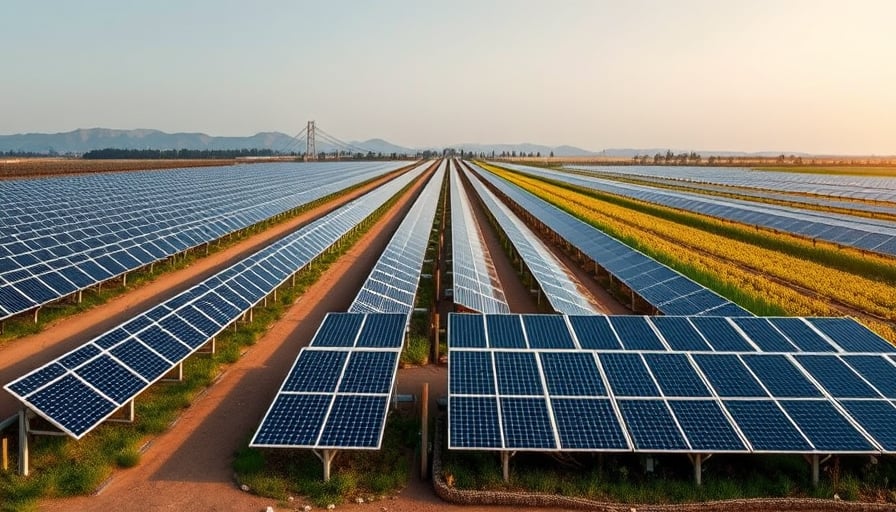
Eversource’s strategy to increase the share of wind and solar generation is designed to mitigate the inherent price volatility associated with traditional fossil‑fuel plants. By diversifying its generation mix, the utility can:
- Reduce Exposure to Fuel‑Price Cycles: Wind and solar are non‑fossil assets whose marginal costs are effectively zero once the front‑end capital has been recovered.
- Lower Carbon‑Related Regulatory Risk: With stricter emissions standards expected across the United States, a cleaner portfolio positions Eversource favorably against future compliance costs.
- Enhance Asset Utilization: High penetration of intermittent resources can be matched with existing flexible peaking plants and emerging storage solutions to maintain reliability.
The company’s projected stable earnings trajectory is thus grounded in a portfolio that balances traditional dispatchable generation with a growing share of renewables, maintaining revenue predictability while positioning for long‑term resilience.
2. Grid Stability and Integration Challenges
2.1. Frequency and Voltage Control
Wind and solar resources introduce significant variability into the transmission system, challenging conventional frequency and voltage regulation mechanisms. Eversource must deploy advanced control schemes—such as synthetic inertia from inverter‑based resources and real‑time voltage‑support services—to maintain grid synchronism. The utility’s investment in these capabilities is critical for preventing cascading failures during periods of sudden output loss or high renewable penetration.
2.2. Transmission Congestion and Network Reinforcement
The spatial distribution of renewable projects often necessitates the extension of transmission corridors to bring generation to load centers. This can create congestion hotspots that limit the flow of power and increase the risk of overloads. Eversource’s investment plans include the reinforcement of existing lines and the construction of new corridors, particularly in wind‑rich regions of Maine and solar‑rich zones in the Southwest. These upgrades are not only necessary for reliability but also for meeting regulatory requirements related to grid reliability indices such as CAIDI and SAIDI.
2.3. Integration of Energy Storage
To address intermittency, Eversource has begun piloting battery storage projects that provide frequency regulation, spinning reserve, and peak shaving. By coupling storage with renewable generation, the utility can shift generation output to periods of high demand, thereby smoothing the load profile and improving overall system efficiency.
3. Infrastructure Investment Requirements
A robust renewable portfolio demands significant capital outlays in both generation and transmission. Key investment areas include:
- Construction of Wind and Solar Farms: Capital costs for turbines and photovoltaic arrays are relatively stable, but site acquisition, permitting, and interconnection agreements can add complexity and delay.
- Upgrading Grid Assets: Reinforced transmission lines, substation upgrades, and the deployment of advanced protection systems are required to handle higher power flows and ensure system resilience.
- Smart Grid Technologies: Advanced metering infrastructure (AMI), distribution automation, and real‑time data analytics enable more responsive management of distributed resources and demand‑side flexibility.
Eversource’s strategic allocation of funds toward these investments is designed to preserve the utility’s reliability obligations while scaling renewable capacity.
4. Regulatory Frameworks and Rate Structures
4.1. Public Utility Commissions (PUCs)
The utility operates under the oversight of several state PUCs, each with distinct requirements for renewable portfolio standards (RPS) and rate‑setting procedures. Eversource must balance compliance with RPS mandates against the need to recover capital costs, often through a rate base that includes renewable generation assets.
4.2. Incentive Mechanisms
Federal and state incentives—such as the Production Tax Credit (PTC) for wind and the Investment Tax Credit (ITC) for solar—directly impact the economics of new projects. These credits reduce the levelized cost of energy (LCOE), making renewables more attractive in the utility’s portfolio.
4.3. Rate Design
Eversource employs a tiered rate structure that incentivizes demand response and distributed generation. The introduction of time‑of‑use (TOU) rates encourages consumers to shift consumption patterns to align with renewable availability, thereby reducing peak demand and alleviating strain on the transmission system.
5. Economic Impacts on Utility Modernization
Investing in renewables and grid modernization has several macroeconomic repercussions:
- Job Creation: The construction and maintenance of renewable facilities generate employment across the supply chain, from turbine fabrication to grid engineering.
- Consumer Cost Dynamics: While capital investment may initially raise rates, long‑term benefits include lower marginal costs and reduced exposure to fuel price volatility, potentially translating into more stable consumer bills.
- Energy Market Competitiveness: By integrating cleaner, lower‑cost resources, Eversource can position itself favorably against competitors, especially in markets where renewable integration costs are a significant factor in tariff proposals.
6. Investor and Analyst Sentiment
Despite the technical and financial complexities, institutional investors continue to hold significant positions in Eversource. This sustained interest signals confidence in the company’s long‑term strategic trajectory. Analysts maintain a moderate stance, recognizing the balance between upside potential from renewable expansion and the challenges inherent in scaling such assets without jeopardizing grid reliability.
7. Conclusion
Eversource Energy’s focus on renewable energy expansion, coupled with its commitment to grid stability through advanced control technologies and infrastructure investment, positions the utility to navigate the evolving energy transition landscape. Regulatory frameworks, rate structures, and economic impacts collectively shape the utility’s modernization pathway. While short‑term earnings guidance remains modest, the strategic alignment of renewable integration with grid resilience offers a steady trajectory for both investors and consumers in the years to come.