
European Markets, Corporate Movements, and the Future of Consumer Experience
The week ended with a mixed tableau of European equities, underscoring how macro‑environmental shifts and evolving consumer habits are shaping the landscape for brands that straddle the digital‑physical divide. While the Stoxx 600 rose modestly, individual markets exhibited divergent trajectories—London and Paris nudging higher, Frankfurt inching lower, and Switzerland marking a modest gain. The market snapshot offers a backdrop against which the performance of Coca‑Cola Europacific Partners (CCEPP) and other mid‑cap names can be interpreted in light of broader lifestyle trends.
The Resilience of Consumer Staples in a Digital‑Physical Hybrid World
CCEPP’s modest share advance is emblematic of a broader stability within the beverage and food sector. As consumers increasingly seek convenient, on‑the‑go experiences, beverage brands are innovating with smaller packaging, subscription models, and digital loyalty platforms. This hybrid approach—combining omnichannel retail with an evolving e‑commerce ecosystem—has allowed firms like CCEPP to maintain steady cash flows even when retail sales fluctuate.
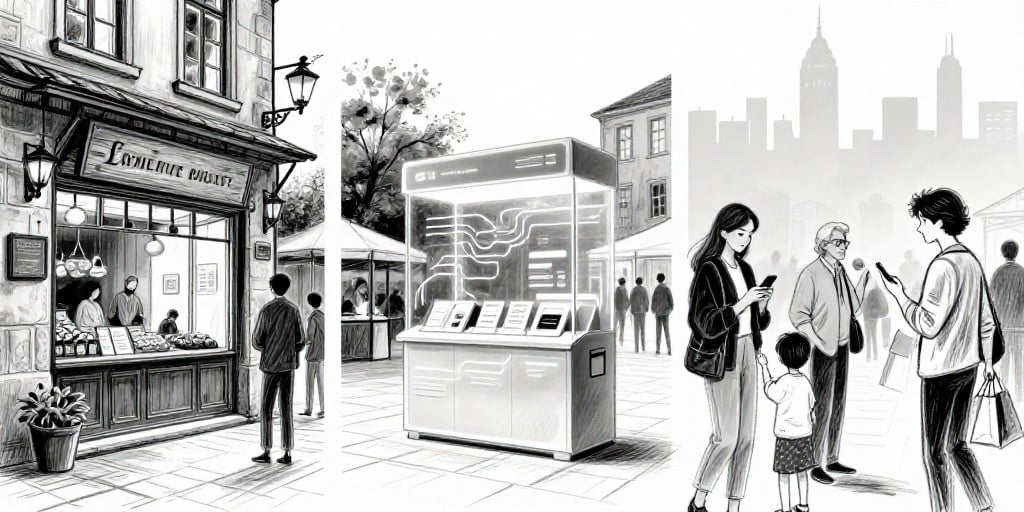
The intersection of digital transformation and brick‑and‑mortar retail is becoming a key driver for consumer engagement. Retailers are investing in “click‑and‑collect” hubs, augmented‑reality try‑on experiences, and AI‑powered inventory management to reduce friction between online and offline touchpoints. These initiatives cater to a generation that values immediacy but also cherishes tactile product interaction. As a result, consumer staples companies that integrate data analytics into supply chains and create seamless omnichannel experiences can capture higher conversion rates and stronger brand loyalty.
Generational Spending Patterns and the Rise of Experience‑Centric Retail
The period also highlighted shifting spending patterns across generations. Millennials and Gen Z are prioritising experiences—travel, dining, and lifestyle events—over traditional material goods, whereas older cohorts continue to value durable products and brand heritage. This dichotomy presents a dual opportunity: companies can develop differentiated product lines that cater to experiential desires while leveraging digital platforms for personalised marketing.
Take, for instance, the recent partnership announcements by Vodafone Group and the takeover talks surrounding EasyJet. These moves underscore the strategic importance of connectivity and mobility for the younger demographic. As travel and connectivity converge, airlines and telecoms are bundling services that blend physical travel experiences with digital connectivity, appealing to tech‑savvy consumers who expect seamless, data‑rich journeys.
Meanwhile, leisure and recruitment firms such as Hays and JD Sports Fashion have benefited from positive earnings guidance. JD Sports, for example, has embraced “phygital” strategies—leveraging in‑store technologies to provide virtual try‑on stations and real‑time inventory updates. These innovations resonate with a customer base that values instant gratification and interactive shopping.
Inflation, Consumer Confidence, and Market Sentiment
Economic data released during the session revealed a cooling of inflation in Germany and France, hitting a four‑month low in German consumer prices and a modest easing in French annual inflation. Lower inflation can lift disposable income, thereby nudging consumer spending higher, particularly in sectors that are sensitive to price perception, such as fashion and hospitality.
Cautiously optimistic sentiment among investors is reflected in the market’s modest gains and slight declines. The dual forces of geopolitical concerns—particularly around supply chain disruptions and trade tensions—and positive corporate news create a nuanced risk profile. Companies that can effectively manage cost pressures while delivering value through digital and physical touchpoints are poised to outperform.
Forward‑Looking Market Opportunities
Omnichannel Integration Brands that can merge online and offline experiences—via mobile apps, data‑driven inventory, and real‑time customer engagement—will capture a larger share of consumer spend. Investments in AI for demand forecasting and personalised recommendations will further differentiate firms.
Experience‑Focused Product Development The rise of experiential consumption demands that product portfolios incorporate lifestyle elements: limited‑edition collaborations, interactive packaging, and community‑building initiatives.
Sustainability as a Differentiator With younger consumers increasingly prioritising environmental stewardship, companies that transparently communicate supply‑chain sustainability and adopt circular business models will gain competitive advantage.
Data‑Enabled Personalisation Leveraging customer data to tailor promotions, pricing, and product recommendations can increase conversion rates and lifetime value, especially in the face of rising price sensitivity.
Strategic Partnerships and Takeover Dynamics Consolidation trends—evidenced by EasyJet’s takeover talks and Vodafone’s partnership deals—will shape the competitive landscape. Firms that engage in strategic alliances can enhance their network reach and technology capabilities.
Conclusion
The European markets’ mixed performance, coupled with the resilience of consumer staples and the growing momentum in digital‑physical integration, paints a picture of a sector in flux yet ripe with opportunity. Firms that adeptly align their strategies with shifting generational preferences, evolving lifestyle trends, and the digital‑physical nexus will be best positioned to thrive in the coming years.