
Corporate Analysis of E.ON SE’s 26 May 2026 Market Performance
Market Context and Immediate Drivers
E.ON SE’s share price registered a modest uptick on 26 May 2026, mirroring the subdued but resilient performance of the German DAX. While the index as a whole slipped by roughly half a percent, the utilities and infrastructure segment—particularly firms such as E.ON—displayed relative strength, reflecting investors’ preference for stable, long‑term revenue streams during a period of geopolitical uncertainty.
The day’s market dynamics were shaped by several interrelated factors:
- Oil Price Volatility: Escalating tensions in the Middle East pushed crude prices higher, triggering a broad market sell‑off that particularly affected industrial and technology equities (e.g., MTU Aero Engines, Scout24, Merck, Infineon, and Siemens Energy).
- Interest Rate Outlook: The European Central Bank’s indications of a forthcoming rate increase exerted downward pressure on the DAX, yet the impact was softened by defensive buying in the utilities sector.
- Geopolitical Risk Premium: The continued volatility in energy supplies and geopolitical risk contributed to a risk‑averse environment, bolstering the appeal of regulated utilities that provide predictable cash flows.
Against this backdrop, E.ON’s positive trajectory was sustained by the sector’s inherent resilience and the broader European appetite for renewable energy investments.
Technical Implications for Power Generation, Transmission, and Distribution
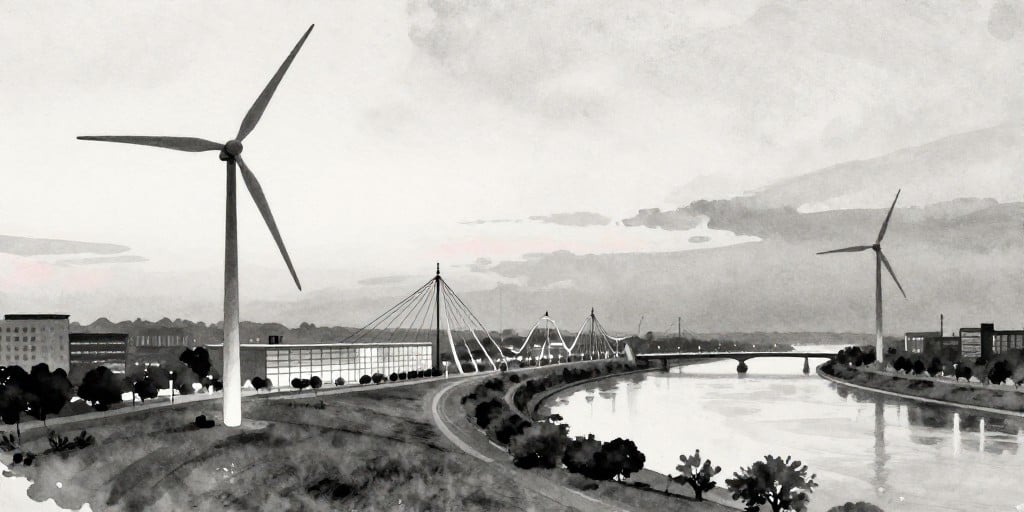
E.ON’s strategic focus on renewable portfolio expansion aligns with a growing trend among German utilities to integrate distributed energy resources (DERs) into the national grid. Several technical challenges and opportunities arise from this transition:
- Grid Stability and Frequency Control
- Intermittency Management: Solar PV and wind generation exhibit stochastic output, necessitating advanced forecasting and demand‑side management (DSM) to maintain frequency stability.
- Power System Oscillations: High penetration of inverter‑based resources can alter the system’s electromechanical dynamics, potentially introducing sub‑synchronous resonances that require sophisticated damping controls.
- Voltage Regulation and Reactive Power Support
- Distributed Reactive Power: Inverter‑controlled DERs can provide reactive power support, reducing the need for traditional capacitor banks and voltage regulators.
- Dynamic Voltage Management: Advanced wide‑area monitoring systems (WAMS) coupled with automated voltage regulation (AVR) enable rapid response to voltage fluctuations induced by large-scale PV installations.
- Transmission Congestion and Infrastructure Upgrades
- Capacity Constraints: Concentrated renewable sites near transmission corridors often overload existing lines, necessitating line reinforcements or the construction of new high‑voltage direct current (HVDC) links to facilitate cross‑border power flows.
- Smart Grids and Grid Flexibility: Deployment of adaptive protection schemes and flexible AC transmission system (FACTS) devices can increase transmission capacity without physical upgrades, though such solutions require substantial capital and regulatory support.
- Energy Storage Integration
- Battery Energy Storage Systems (BESS): Grid‑scale BESS can smooth supply variability, provide frequency support, and shift energy to periods of high demand, mitigating the need for peaking plants.
- Hybrid Systems: Coupling PV with storage allows for dispatchable renewable energy, improving reliability but demanding coordinated control strategies across the generation‑storage‑distribution nexus.
Regulatory Frameworks and Rate Structures
E.ON’s ability to monetize its renewable assets depends heavily on the prevailing regulatory environment:
- Feed‑In Tariffs (FiT) and Net Metering: While state‑backed FiTs have been gradually phased out in Germany, the recent survey indicates a growing willingness among homeowners to install PV systems even without guaranteed tariffs. This shift is driven by decreasing module costs, improved storage economics, and consumer preference for self‑generation.
- Rationalization of Distribution Charges: Germany’s “Wiener‑Preis” model aims to decouple distribution costs from consumption, ensuring that grid investment is allocated based on actual usage patterns. Utilities must demonstrate cost‑effective investments in grid resilience, especially as DER penetration rises.
- Incentive Schemes for Infrastructure Modernization: The German “Energiewende” strategy provides subsidies for upgrading substations, deploying HVDC links, and expanding smart grid capabilities. These incentives lower the capital burden for utilities but require adherence to stringent performance and environmental criteria.
Economic Impacts of Utility Modernization
The transition to a renewable‑heavy grid entails significant capital expenditures, yet offers long‑term economic benefits:
- Cost of Energy (CoE) Reduction: As renewable generation costs continue to decline, the CoE for electricity is expected to fall, benefiting consumers and supporting higher disposable incomes in the broader economy.
- Employment and Industrial Competitiveness: Modernizing the grid generates high‑skill jobs in engineering, project management, and software development, bolstering Germany’s position as a leader in clean energy technology.
- Risk Mitigation and Energy Security: Diversifying the generation mix reduces exposure to volatile fossil fuel markets, enhancing national energy security and protecting industrial sectors from price shocks.
- Rate Structures and Consumer Burden: While investment in grid infrastructure is necessary, regulatory frameworks can spread these costs across consumers in a fair and transparent manner, mitigating potential rate hikes. Advanced metering infrastructure (AMI) and dynamic pricing models can further align consumer usage with grid conditions, fostering efficiency.
Strategic Outlook for E.ON SE
E.ON’s market performance reflects a combination of macro‑economic resilience and a firm commitment to renewable integration. Technically, the company’s focus on:
- Deploying grid‑scale storage,
- Upgrading transmission corridors with HVDC technology,
- Implementing advanced voltage and frequency control systems,
positions it to navigate the challenges of high renewable penetration while maintaining grid stability. Economically, leveraging state‑backed incentives and evolving rate structures will enable the company to balance investment returns with consumer affordability.
In summary, E.ON’s modest share price increase on 26 May 2026 is a microcosm of a broader energy transition narrative—one that requires sophisticated power system engineering, supportive regulatory frameworks, and prudent economic stewardship to ensure a stable, affordable, and sustainable electricity supply for Germany and the wider European market.