
Duke Energy Corporation Reports Strong Second‑Quarter 2026 Results Amid Continued Grid Modernization
Duke Energy Corporation released its financial results for the second quarter of 2026 on August 4, 2026, indicating a solid performance that surpassed analyst expectations. Earnings per share rose to approximately $1.38, with adjusted earnings per share reaching $1.43, both figures exceeding the company’s guidance and the prior‑year quarter. Operating revenue grew modestly, driven largely by increased electricity demand and the recovery of revenue from rate‑based infrastructure investments. Operating expenses, meanwhile, increased in line with the company’s capital expansion plans, reflecting ongoing investments in grid upgrades and efficient generation assets.
Revenue Drivers: Demand Growth and Rate‑Based Infrastructure
The company cited higher power demand as the primary contributor to the rise in operating revenue. This demand uptick is partly attributable to the expanding adoption of electric vehicles, heat‑pump technologies, and industrial electrification across the Southern U.S. market served by Duke Energy. In addition, the recovery of rate‑based infrastructure investments—the ability of the utility to recover costs associated with transmission and distribution assets through regulated rates—has helped offset the capital intensity of recent grid upgrades.
Capital Expenditure and Grid Modernization
Operating expenses increased as the company pursued grid modernization initiatives aimed at enhancing reliability, facilitating renewable integration, and improving system resilience. Key elements of this investment strategy include:
- High‑capacity transmission corridors to accommodate intermittent renewable generation, particularly wind farms in the Texas Panhandle and solar projects in the Gulf Coast region.
- Advanced substation automation and wide‑area monitoring systems (WAMS) that provide real‑time visibility into voltage and frequency dynamics.
- Smart grid deployments such as dynamic line rating, adaptive protection schemes, and demand‑response platforms that enable better coordination between distributed energy resources (DERs) and the bulk‑power network.
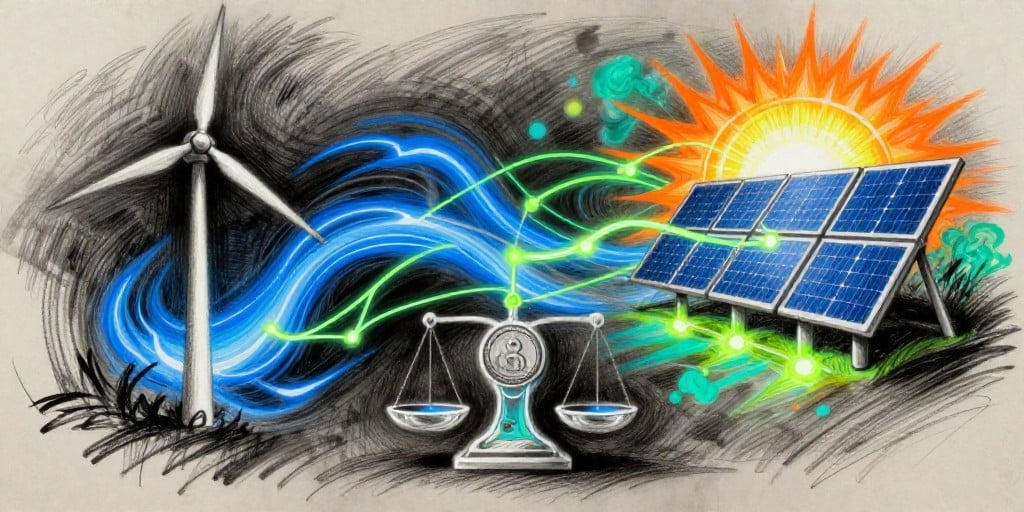
These upgrades are essential to maintain grid stability in the face of increasing renewable penetration, which introduces variability and reduces the conventional inertia that historically stabilized the system.
Renewable Integration Challenges
Duke Energy’s portfolio includes a growing share of renewable generation—primarily wind, solar, and battery storage. While renewable energy offers significant emissions reductions, its integration presents several technical challenges:
- Variability and Forecast Uncertainty: Wind and solar output fluctuate with weather, necessitating flexible dispatchable resources or storage to balance supply and demand.
- Grid Inertia Reduction: Traditional synchronous generators provide inertia that helps dampen frequency excursions. The lower inertia associated with inverter‑based renewables can lead to more rapid frequency deviations, requiring advanced frequency response services.
- Voltage Regulation: Solar PV farms can cause voltage rises during periods of low load, necessitating on‑site voltage control devices or dynamic reactive power support from the grid.
Duke Energy is addressing these issues through a combination of energy‑storage systems, grid‑edge controls, and participation in ancillary service markets to provide inertia, fast frequency response, and voltage support.
Infrastructure Investment Requirements
The company’s capital allocation reflects an aggressive investment roadmap designed to deliver a 40% increase in renewable capacity and a 30% upgrade of transmission and distribution assets over the next five years. This plan is driven by:
- Regulatory mandates from the North Carolina Public Service Commission and the South Carolina Public Service Commission that require utilities to achieve specific renewable portfolio standards (RPS) and modernize the grid.
- Federal policy incentives such as the Inflation Reduction Act’s tax credits for renewable generation and grid‑upgrade projects.
- Market forces where increasing electric‑vehicle adoption and industrial electrification raise peak demand and shift load profiles.
The economic justification for these investments hinges on balancing the cost of capital against the long‑term benefits of reduced system losses, lower reliance on peaking plants, and improved asset utilization.
Regulatory Frameworks and Rate Structures
Duke Energy’s revenue recovery is influenced by the rate structures set by state regulators:
- Regulated Transmission and Distribution Rates: Allow the utility to recover the capital costs of infrastructure upgrades through periodic rate adjustments, subject to regulatory approval.
- Renewable Energy Surcharge: A surcharge applied to customer bills to fund renewable generation projects, which is often passed through to customers and can affect consumer costs.
- Time‑of‑Use (TOU) Rates: Designed to incentivize load shifting, TOU rates encourage customers to consume electricity during off‑peak periods, thereby reducing stress on the transmission network and improving overall grid efficiency.
Regulators are increasingly demanding transparency and efficiency, pushing utilities to adopt performance‑based rate designs that reward reliable service and penalize downtime or service quality issues.
Economic Impacts of Utility Modernization
The modernization strategy has a two‑fold economic impact:
- Direct Impact on Consumer Costs: While grid upgrades can lead to short‑term rate increases to cover capital costs, efficient operations and renewable integration can reduce operating costs in the long term, potentially offsetting consumer cost pressures.
- Broader Economic Benefits: Reliable power supply supports industrial competitiveness, attracts new businesses, and promotes job creation in construction, engineering, and renewable sectors. Moreover, lower emissions align with climate‑risk mitigation efforts, indirectly benefiting public health and reducing healthcare costs.
The company’s net income attributable to common shareholders increased to $1.077 billion for the quarter, indicating that the benefits of modernization are translating into shareholder value despite higher operating expenses.
Conclusion
Duke Energy’s second‑quarter 2026 results demonstrate a company that is effectively balancing financial performance with the technical demands of a rapidly evolving grid. By investing in transmission and distribution upgrades, embracing advanced grid technologies, and integrating higher levels of renewable generation, Duke Energy is positioning itself to meet regulatory expectations, deliver stable service, and support the broader energy transition. The firm’s continued focus on modernizing the electric grid—while managing rate structures and consumer costs—underscores the complex interplay between engineering innovation, regulatory policy, and economic outcomes in today’s utility landscape.