
Corporate Developments and Their Technical Implications for the Power Sector
Institutional Endorsement and Market Perception
In early February 2026, DTE Energy Co. secured notable institutional purchases from Goldman Sachs’ equal‑weight U.S. large‑cap equity ETF and its ActiveBeta U.S. large‑cap and world low‑volatility ETFs. These transactions involved thousands of shares and represent a bullish stance on DTE’s strategic trajectory. Morgan Stanley’s recent upward revision of its price target, while maintaining an overweight rating, further consolidates investor confidence in the utility’s long‑term outlook.
The influx of capital and the heightened analyst endorsement are likely to influence the firm’s financing costs, providing a favorable backdrop for infrastructure investment. Moreover, a robust investor base can enhance the company’s credit profile, which is pivotal for funding grid‑wide modernization initiatives.
Anticipated Earnings Performance and Revenue Dynamics
DTE Energy’s forthcoming earnings release, scheduled for the all‑quarterly conference on 17 February, is expected to show modest earnings‑per‑share (EPS) growth relative to the prior year’s quarter. Revenue projections, however, are predicted to rise only marginally. This divergence between earnings and revenue growth is symptomatic of a broader utility trend: as utilities transition to low‑carbon portfolios, capital expenditures rise while operating margins initially compress.
The projected financials suggest that DTE is balancing two competing pressures:
- Investment in Renewable Integration – Expanding wind, solar, and storage assets increases capital intensity and can temporarily depress revenue growth due to upfront costs.
- Grid Modernization – Deploying advanced metering, sub‑station automation, and grid‑management software can improve operational efficiency, eventually enhancing earnings through reduced losses and improved asset utilization.
Grid Stability Amid Renewable Penetration
The United States has seen a rapid increase in variable renewable energy (VRE) generation. For utilities like DTE, maintaining grid stability requires a multi‑layered approach:
- Flexible Generation Assets – Natural gas peaker plants and fast‑start gas turbines can quickly offset VRE intermittency. However, their operational costs are higher than baseload plants, influencing rate structures.
- Energy Storage – Battery systems provide both frequency regulation and reserve capacity. Integrating storage mitigates the need for over‑capacity in the generation mix, thereby stabilizing supply but necessitating significant investment.
- Demand Response (DR) – By shifting load during peak periods, utilities can flatten demand curves, reducing the need for additional capacity and improving overall system reliability.
Technical challenges persist, particularly in forecasting VRE output with high precision, coordinating multi‑resource scheduling, and ensuring protection system coordination across a highly dynamic network. DTE’s strategic plan to deploy a hybrid approach—combining renewables, storage, and DR—should address these issues but will require substantial capital allocation.
Infrastructure Investment Requirements
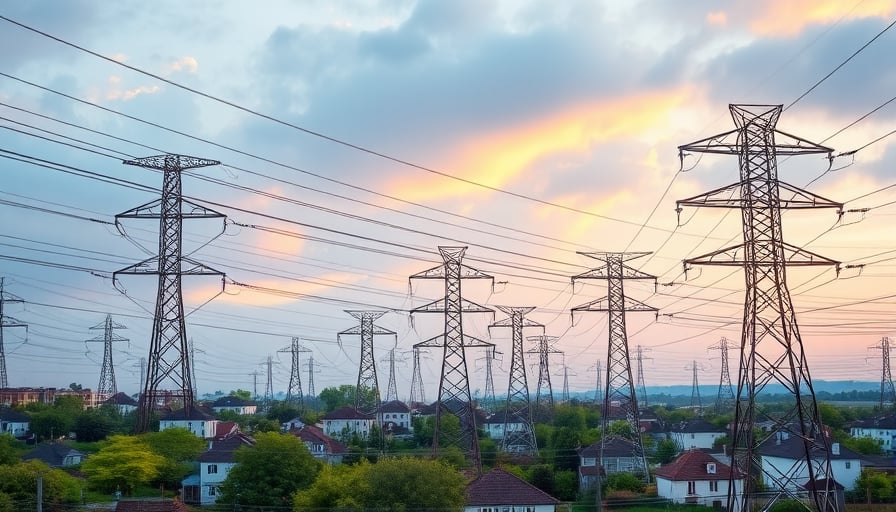
Modernization of the transmission and distribution (T&D) network is a prerequisite for reliable renewable integration. Key investment areas include:
- High‑Voltage Direct Current (HVDC) Corridors – HVDC links reduce line losses over long distances and facilitate interregional VRE dispatch, but necessitate costly converter stations.
- Smart Grid Technologies – Advanced sensors, phasor measurement units (PMUs), and automated switching enhance real‑time monitoring and fault detection, thereby reducing outage duration.
- Distribution Automation – Microgrid capabilities and distributed energy resource (DER) management enable localized resilience, yet require complex integration with existing control systems.
The capital intensity of these upgrades translates directly into future rate structures. Regulatory bodies often allow utilities to recover such investments through “retransmission and distribution rates” or “grid‑modernization fees.” DTE must navigate these frameworks to maintain rate stability while ensuring adequate returns on investment.
Regulatory Frameworks and Rate Structures
The U.S. Federal Energy Regulatory Commission (FERC) and state utilities commissions oversee rate approvals and investment recovery mechanisms. Key considerations for DTE include:
- Performance‑Based Regulation (PBR) – PBR incentivizes utilities to meet reliability targets and reduce outage minutes. Successful implementation can lead to lower long‑term rates for consumers, offsetting short‑term investment costs.
- Utility‑Scale Renewable Portfolio Standards (RPS) – Compliance with RPS mandates can spur renewable procurement but also increases generation mix volatility, requiring robust balancing resources.
- Rate‑Case Approaches – Traditional rate‑case filings allow utilities to recover costs over a specified period. However, they may lack the flexibility to adapt to rapid technological change, potentially delaying modernization efforts.
DTE’s upcoming earnings conference will likely address how the company plans to structure its future rate cases, balancing investor returns against consumer protection mandates.
Economic Impacts of Utility Modernization
Modernizing the power grid carries several macroeconomic implications:
- Consumer Costs – While infrastructure upgrades initially increase rates, long‑term savings arise from reduced transmission losses, lower outage costs, and more efficient generation dispatch.
- Employment – Grid modernization stimulates high‑skill labor markets in engineering, construction, and cybersecurity, contributing to regional economic growth.
- Energy Transition – By integrating higher shares of renewables, utilities like DTE reduce carbon intensity, aligning with federal climate targets and potentially attracting carbon‑aware investors.
The institutional backing observed in February 2026 indicates that investors anticipate these benefits, particularly the economic gains from a stable, high‑quality grid capable of supporting a diversified energy mix.
Conclusion
DTE Energy’s recent institutional support and upcoming earnings release underscore the firm’s perceived stability and growth potential. However, the technical challenges of grid stability, renewable integration, and infrastructure investment remain substantial. Regulatory frameworks and rate structures will play a pivotal role in determining how these investments translate into consumer costs. From an engineering perspective, the success of DTE’s modernization efforts will hinge on precise coordination of generation resources, advanced grid‑management technologies, and a proactive regulatory stance—factors that collectively shape the trajectory of America’s energy transition.