Corporate Update and Technical Context from DTE Energy’s Recent 8‑K Filing
DTE Energy Company has recently filed an 8‑K disclosure with the U.S. Securities and Exchange Commission (SEC) under the current report section. The filing, which complies with the disclosure requirements of Sections 7.01 and 9.01 of the Securities Exchange Act, provides shareholders and the broader public with a concise overview of recent corporate events and regulatory updates. The document is publicly accessible via the SEC’s EDGAR database and includes the company’s accession number, as well as details regarding the filing’s size and format. Notably, the filing does not contain operational or financial data, and no new guidance or forward‑looking statements are issued. This release underscores DTE Energy’s ongoing commitment to regulatory compliance and transparent corporate governance.
Relevance of the Filing to Power Generation, Transmission, and Distribution
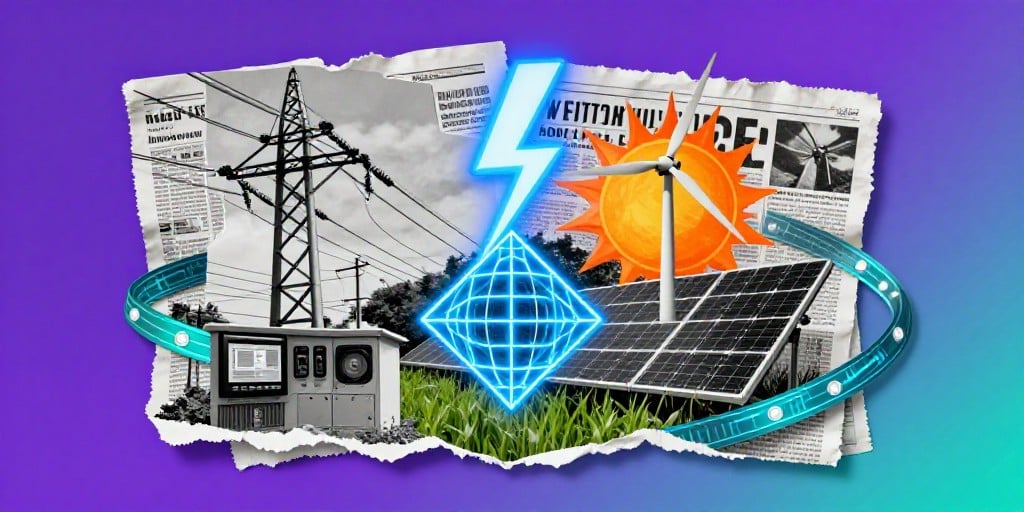
While the 8‑K filing itself is limited to procedural disclosures, the context in which DTE operates is rapidly evolving. The company’s power generation portfolio includes both conventional thermal assets and a growing share of renewable resources such as wind, solar, and battery storage. Integration of these variable renewable energy (VRE) sources into the existing transmission and distribution (T&D) grid introduces significant engineering and economic challenges that directly influence utility modernization strategies.
Grid Stability and Renewable Integration
Voltage Control and Reactive Power Management High penetration of VRE can lead to voltage fluctuations, particularly when solar output declines abruptly due to cloud cover. DTE’s grid operators employ advanced voltage‑regulation equipment, such as static VAR compensators (SVCs) and static synchronous compensators (STATCOMs), to absorb reactive power and maintain voltage within statutory limits.
Frequency Regulation and Balancing Wind farms and solar PV plants have limited inertia, which can accelerate frequency deviations during sudden load changes or generation curtailments. DTE is deploying fast‑responding inverter‑based resources (IBRs) with synthetic inertia capabilities, coupled with demand‑response programs that shift flexible loads in real time to dampen frequency excursions.
Transient Stability and Fault Ride‑Through The addition of inverter‑interfaced generators requires careful assessment of fault‑ride‑through (FRT) capabilities. DTE’s transmission planning incorporates detailed electromagnetic transient (EMT) simulations to ensure that both legacy synchronous machines and new IBRs can sustain fault currents and recover without reclosing failures.
Infrastructure Investment Requirements
The transition to a more resilient and renewable‑heavy grid demands substantial capital deployment across multiple fronts:
- Transmission Upgrades
- High‑Voltage Direct Current (HVDC) Lines: To transmit wind energy from remote Midwest farms to densely populated regions, DTE is evaluating HVDC corridors that reduce line losses and provide controllable power flow.
- Smart Grid Sensors: Phasor Measurement Units (PMUs) and wide‑area monitoring systems enable real‑time observability of grid dynamics, informing automated control schemes that mitigate cascading outages.
- Distribution System Modernization
- Grid‑Edge Substations: These facilities host advanced protection relays and reclosers that facilitate rapid isolation of faulted segments while preserving service continuity.
- Energy Storage Integration: Battery Energy Storage Systems (BESS) at the distribution level support peak shaving, frequency regulation, and provide backup during outages, thereby improving customer reliability.
- Grid‑Smart Infrastructure
- Dynamic Line Rating (DLR): By monitoring temperature, wind speed, and humidity, DTL allows for real‑time adjustments to permissible loading limits, effectively expanding capacity without physical upgrades.
- Automated Demand Response (ADR): ADR platforms interface directly with commercial and industrial loads, enabling utilities to balance supply and demand with minimal customer intervention.
Regulatory Frameworks and Rate Structures
DTE Energy operates under a regulatory regime that balances public interest with investment recovery. Key elements influencing utility modernization include:
Reform of Rate Design Transitioning from traditional energy‑only rates to time‑of‑use (TOU) tariffs aligns consumer costs with real‑time supply conditions. This incentivizes load shifting, reduces peak demand pressure, and supports the integration of VRE.
Capital Cost Recovery The Public Utility Commission (PUC) employs cost‑of‑service (COSP) analysis to determine acceptable rates of return for capital expenditures. For grid upgrades that enhance reliability or integrate renewables, the PUC evaluates whether the benefits justify the proposed rates.
Renewable Energy Standards and Incentives State mandates such as Renewable Portfolio Standards (RPS) compel utilities to procure a specified portion of electricity from renewable sources. DTE must balance the procurement of renewable generation with the cost implications for ratepayers, often through mechanisms like renewable energy credits (RECs) or community solar programs.
Economic Impacts on Utility Modernization
The economic ramifications of these engineering and regulatory shifts are multifaceted:
Capital Outlay versus Long‑Term Savings While the upfront cost of HVDC lines, PMUs, and BESS installations is significant, studies demonstrate that reduced line losses, minimized outage costs, and lower operational expenditures can offset initial investments over a 20‑25 year horizon.
Ratepayer Costs Implementing TOU tariffs may initially increase costs for consumers who consume power during peak periods. However, when coupled with energy‑efficiency programs, the overall average cost of electricity can decline due to decreased demand on the system.
Market Competitiveness Utilities that adopt advanced grid technologies can offer lower wholesale prices by improving market efficiency. This can translate to competitive wholesale rates for commercial and industrial customers, fostering a more robust local energy market.
Job Creation and Economic Development Large‑scale grid modernization projects generate employment in engineering, construction, and maintenance sectors, contributing to regional economic growth. Moreover, the development of local renewable generation assets can attract investment and foster ancillary businesses.
Engineering Insights on Power System Dynamics
Coupled Power Flow Analysis The integration of variable renewables necessitates the use of coupled AC‑DC power flow models. These models account for the interaction between alternating‑current (AC) distribution networks and direct‑current (DC) transmission lines, ensuring accurate representation of power quality and stability.
Dynamic Stability Metrics Metrics such as RoCoF (rate of change of frequency), damping ratio, and modal analysis provide quantitative assessments of grid resilience. DTE’s engineering teams employ these metrics to prioritize investments in inertial support and control infrastructure.
Cyber‑Physical Security As grid automation increases, so does the attack surface for cyber threats. Robust cybersecurity protocols, including intrusion detection systems (IDS) and secure communication protocols (e.g., IEC 61850), are integrated into the control architecture to protect critical assets.
Conclusion
Although DTE Energy’s recent 8‑K filing focuses solely on procedural compliance, the broader narrative underscores a utility navigating a complex transition toward a more renewable‑heavy, technologically advanced, and resilient grid. Achieving this vision requires sophisticated engineering solutions, strategic regulatory engagement, and thoughtful economic planning. By aligning investment in transmission and distribution infrastructure with evolving rate structures and regulatory mandates, DTE Energy aims to balance consumer costs, grid reliability, and the nation’s overarching energy transition goals.