Corporate Overview and Market Position
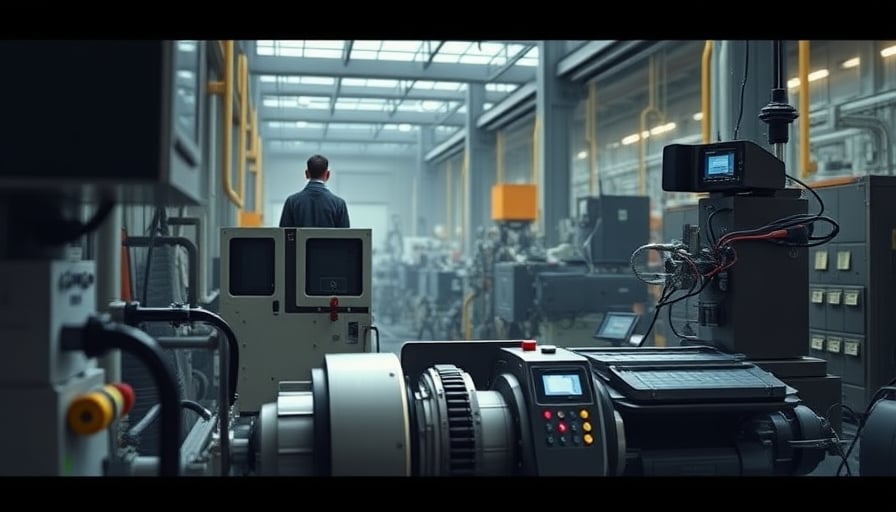
Dover Corporation, a listed entity on the New York Stock Exchange (ticker: DOV), continues to exert influence within the industrial and machinery sector. The firm’s product suite encompasses a breadth of manufacturing equipment, including but not limited to printing and coding systems, waste handling and refrigeration solutions, pumps, fuel dispensers, piping, and electronic tank gauges. These offerings are distributed to a global customer base, positioning Dover as a diversified supplier capable of adapting to varying market demands.
Product Portfolio and Innovation Strategy
| Product Category | Key Offerings | Innovation Focus |
|---|---|---|
| Printing & Coding | Digital inkjet printers, thermal transfer systems | Precision, energy efficiency, integration with Industry 4.0 platforms |
| Waste Handling & Refrigeration | Sewage treatment pumps, refrigerated storage units | Automation, smart‑sensor connectivity, low‑energy consumption |
| Pumps & Fuel Dispensers | Centrifugal pumps, automotive fuel dispensers | High‑performance, reliability, modular design |
| Piping & Gauges | Pressure piping systems, electronic tank gauges | Corrosion‑resistant materials, real‑time monitoring |
Dover’s innovation roadmap, as highlighted on its corporate website, emphasizes the convergence of digital technologies with traditional manufacturing processes. The company’s strategic initiatives focus on enhancing product efficiency, reducing operational footprints, and expanding service offerings to include data analytics and predictive maintenance.
Competitive Positioning
Within the industrial machinery landscape, Dover competes against a mix of mid‑sized specialty manufacturers and larger diversified conglomerates. Key competitive advantages include:
- Diversified Product Mix – Mitigates exposure to cyclical downturns in any single sub‑sector.
- Global Distribution Network – Enables timely delivery and after‑sales support across multiple continents.
- Technology Integration – Early adoption of connected‑device ecosystems positions Dover ahead of peers still reliant on legacy systems.
- Strong Brand Reputation – Long-standing presence in the waste handling and printing markets fosters customer loyalty.
Nonetheless, Dover faces pressure from emerging low‑cost manufacturers, particularly in the Asian market, and from competitors advancing in automation and smart‑factory solutions. The company’s continued investment in R&D and strategic partnerships is essential to sustaining its competitive edge.
Economic Drivers and Market Dynamics
The industrial machinery sector is heavily influenced by macroeconomic indicators such as:
- Manufacturing Activity Index – Fluctuations in the Purchasing Managers Index (PMI) directly affect demand for machinery.
- Commodity Prices – Volatility in steel, aluminum, and plastic costs impacts production expenses.
- Global Supply Chain Stability – Disruptions, as seen during recent semiconductor shortages, can delay component availability.
- Environmental Regulations – Stricter emission standards drive demand for efficient pumps and waste‑treatment systems.
Dover’s diversified product line enables it to navigate these variables. For instance, its waste‑handling equipment benefits from increasing environmental compliance requirements, while its printing systems remain in demand within the e‑commerce and logistics sectors, which continue to expand worldwide.
Recent Trading Activity and Investor Sentiment
The latest market data indicates a modest upward trajectory in Dover’s share price, reflecting steady investor confidence. This trend can be attributed to:
- Consistent Earnings Performance – While no significant earnings announcements were made recently, the company’s stable revenue streams reassure shareholders.
- Strategic Growth Initiatives – Ongoing product development and market expansion efforts provide a foundation for future upside.
- Diversification Resilience – A broad portfolio cushions the firm against sector‑specific downturns.
Outlook
In the absence of major corporate developments, Dover’s core operations and market presence remain unchanged. However, the company’s ability to maintain competitive positioning will hinge on continued adaptation to technological shifts and evolving regulatory landscapes. Analysts expect Dover to capitalize on its diversified portfolio and technological integration to sustain moderate growth in the coming fiscal years, while remaining vigilant against supply chain uncertainties and cost pressures inherent to the industrial machinery sector.