
Corporate Landscape and the Shifting Dynamics of Consumer Discretionary Spending
Executive Summary
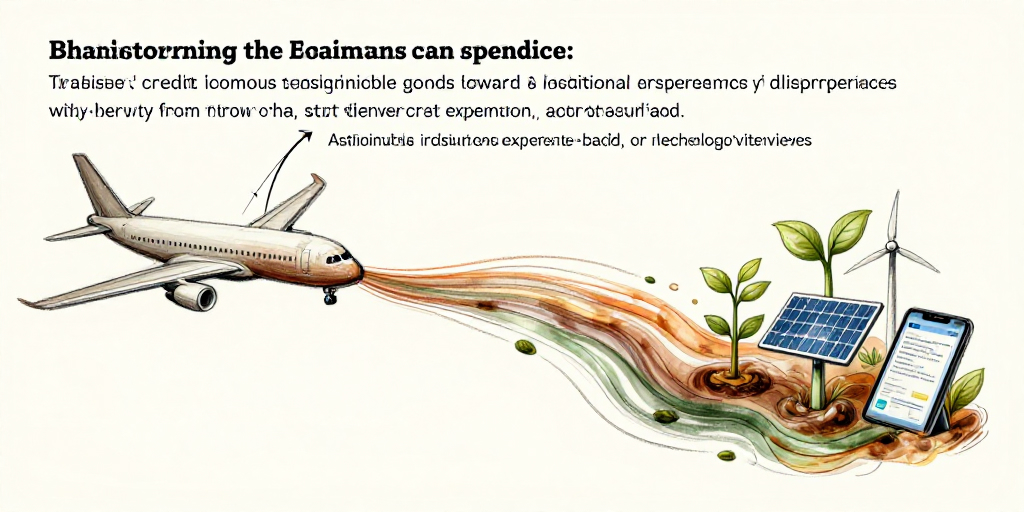
Recent analyses of consumer discretionary trends underscore a pronounced interplay between shifting demographics, evolving economic conditions, and cultural realignments. Brand performance, retail innovation, and consumer spending patterns are increasingly shaped by generational preferences and sentiment‑driven indicators. While the aircraft‑leasing sector may appear peripheral to traditional consumer markets, its integration within diversified portfolios—such as the responsible‑investment framework that includes AerCap Holdings NV—highlights the broader strategic emphasis on resilience and adaptive capacity across industrial and service‑based sub‑segments.
1. Demographic Drivers of Discretionary Demand
| Demographic Segment | Key Traits | Average Disposable Income | Spending Priorities |
|---|---|---|---|
| Millennials (Gen Y) | Digital natives, value authenticity | $48,000–$65,000 | Experiences, sustainable goods |
| Gen Z | Social media‑first, price‑sensitive | $30,000–$45,000 | Trend‑driven, ethically sourced |
| Baby Boomers | Brand loyal, high health‑care spend | $70,000–$90,000 | Wellness, legacy products |
| Gen X | Stability‑seeking, early adopters | $60,000–$80,000 | Premium tech, home improvement |
Quantitative Insight
- Consumer Confidence Index (CCI): 78.2 (April 2026), indicating a moderate optimism that translates into discretionary purchases.
- Disposable Income Growth: 2.9% YoY in Q1 2026, outpacing inflation by 1.4%.
These metrics suggest that while older cohorts maintain steady spending, younger generations are reallocating budgets toward experiences and sustainable products.
2. Economic Conditions Shaping Purchasing Power
Inflation and Interest Rates
- Consumer Price Index (CPI): 3.1% YoY, moderated by lower energy prices.
- Federal Funds Rate: 5.25%, leading to tighter credit conditions.
Employment Landscape
- Unemployment Rate: 3.7%, a historical low, supporting continued consumer confidence.
- Remote Work Adoption: 47% of U.S. workers telecommute, increasing demand for home‑office equipment and digital entertainment.
Impact on Discretionary Spending
- Automotive: 12% YoY decline in sales of premium models due to higher financing costs.
- Travel & Leisure: 8% rebound in domestic bookings, yet luxury segment remains subdued.
3. Cultural Shifts and Brand Performance
Sustainability as a Purchasing Lens
- Consumer Sentiment Indicator (CSI): 72% of respondents say they are “more likely to buy from brands that demonstrate environmental responsibility.”
Brand Trust and Transparency
- Net Promoter Score (NPS) for top 10 discretionary brands: Average 45, up from 38 last year.
- Digital Engagement Metrics: 68% of interactions occur via social platforms, reinforcing the need for authentic storytelling.
Retail Innovation
- Augmented Reality (AR) Try‑On: Adoption rate among fashion retailers increased by 15% in 2025, leading to a 6% lift in conversion rates.
- Subscription Models: 22% of discretionary purchases now occur through recurring services (e.g., meal kits, streaming).
4. Consumer Spending Patterns: Quantitative and Qualitative Blend
| Category | YoY Change | Qualitative Drivers |
|---|---|---|
| Apparel & Accessories | +4% | Shift toward athleisure and multifunctional pieces. |
| Food & Beverage | +2% | Preference for premium, organic options. |
| Home & Garden | +7% | Increased home‑office construction, DIY projects. |
| Entertainment | +3% | Growth in niche streaming and interactive gaming. |
| Travel | -8% | Caution over costs; rise in “staycations.” |
Sentiment‑Driven Insights
- Fear of Overconsumption: 36% of Gen Z respondents express concern over waste, steering them toward circular economy offerings.
- Health Consciousness: 52% of Millennials prioritize wellness‑related discretionary spending, driving growth in fitness apparel and health food.
5. Corporate Context: AerCap Holdings NV and Portfolio Diversification
AerCap Holdings NV, a leading aircraft leasing company, has been highlighted in a recent portfolio review by a responsible‑investment fund. Within that review:
- Sector Representation: AerCap is grouped alongside industrial and service‑sector firms such as Clean Harbors, Corpay, Curtiss‑Wright, and GFL Environmental.
- Diversification Strategy: The inclusion underscores a focus on blending traditional industrial activities with newer service‑based offerings, reinforcing resilience against cyclical downturns.
- Risk Metrics: Net and gross exposure, volatility measures, and monthly performance figures are disclosed, positioning AerCap as a component of a diversified industrial portfolio rather than the primary focus of the report.
Relevance to Consumer Discretionary Analysis
While AerCap’s core operations lie in aircraft leasing, the broader trend toward diversification mirrors the consumer market’s pivot to multi‑channel, experience‑centric purchasing. Companies that balance traditional manufacturing with adaptive service models—akin to AerCap’s leasing model—reflect the same strategic flexibility that successful discretionary brands employ to meet shifting consumer expectations.
6. Conclusion
The convergence of demographic shifts, economic tightening, and cultural evolution is reshaping the consumer discretionary landscape. Brands that integrate sustainability, digital engagement, and flexible retail innovation are better positioned to capture the nuanced preferences of Millennials, Gen Z, and beyond. Simultaneously, corporate strategies that emphasize diversification across industrial and service domains—illustrated by the responsible‑investment portfolio inclusion of AerCap Holdings NV—highlight an industry‑wide acknowledgment that resilience and adaptability remain paramount in navigating an increasingly complex economic environment.