Regulatory Tightening in Urban Housing: A Catalyst for New Business Opportunities
The Municipal Corporation of Delhi (MCD) has stepped up scrutiny of student hostels after a series of building collapses that claimed sixteen lives this year. Between 7 and 9 September, a comprehensive survey examined 1,252 paying‑guest (PG) properties, identifying 39 units that require minor repairs, nine that need major work, and three that are classified as dangerous—one already under demolition. The initiative follows the tragic collapse at Satya Niketan on 6 September that killed seven students and exposed long‑standing violations such as single exits, narrow stairways, and the absence of fire extinguishers.
The Business Implications of Heightened Oversight
Digital Transformation Meets Physical Compliance
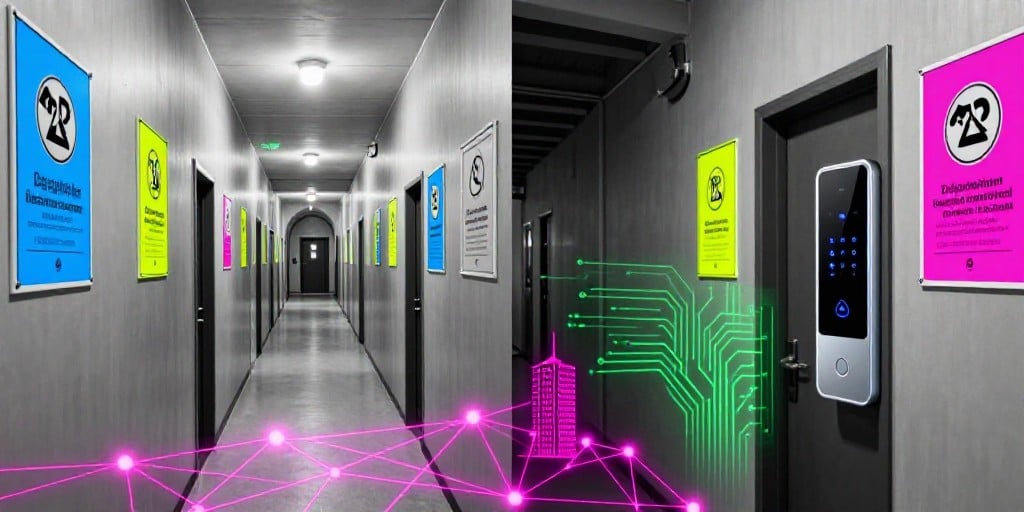
The MCD’s renewed focus on safety codes intersects with the broader trend of digital transformation in the real‑estate sector. Many hostels rely on outdated paper‑based systems for maintenance logs and inspection reports. The current regulatory environment encourages the adoption of smart building technologies—from sensor‑based fire detection to digital asset management platforms—allowing property managers to demonstrate compliance in real time. Companies that provide integrated, cloud‑based safety monitoring solutions stand to gain a first‑mover advantage in a market where regulators are increasingly demanding proof of continuous risk mitigation.
Demographic Shifts and the Demand for Quality Student Housing
India’s youth population is expanding, and the student segment is moving toward higher‑quality accommodation that balances affordability with safety. The current crackdown underscores a growing consumer expectation: “If I’m paying for a room, I want peace of mind.” This shift creates opportunities for managed PG services that bundle safety certifications, on‑site maintenance, and digital concierge features. By positioning themselves as safety‑first brands, these operators can capture market share from traditional, cost‑only providers.
Cultural Movements Toward Transparency and Social Responsibility
The repeated incidents have amplified public discourse around corporate social responsibility (CSR) in the housing sector. Consumers increasingly scrutinize brands’ environmental and social impact reports. Hospitality and real‑estate firms that proactively publish third‑party safety audits and sustainability metrics can differentiate themselves in a crowded marketplace. Furthermore, the “safe‑by‑design” narrative aligns with global movements toward resilient infrastructure, opening doors to partnerships with international NGOs and funding agencies that champion safety in developing economies.
Market Opportunities for Consumer‑Facing Brands
Safety‑Certification Platforms Digital platforms that streamline inspection workflows, generate compliance reports, and maintain an immutable audit trail can become essential tools for property owners. Subscription models based on the number of units monitored provide a predictable revenue stream.
Smart Building Hardware and IoT Solutions Sensors that monitor smoke, carbon monoxide, and structural vibrations, coupled with mobile dashboards, empower managers to detect hazards before they culminate in tragedy. OEMs of such hardware can partner with construction firms and retrofit specialists.
Integrated Property Management Systems (PMS) Modern PMS solutions that merge booking, payments, maintenance, and compliance modules attract PG operators looking to upgrade legacy systems. Upsell opportunities arise in training, customization, and data analytics services.
Insurance and Risk‑Management Services With heightened regulatory scrutiny, insurance companies can develop tailored policies for student housing that include incentives for proactive safety upgrades, creating new product lines and cross‑sell opportunities to property managers.
Public‑Private Partnerships (PPP) for Infrastructure Rehabilitation The government’s directive to demolish or retrofit dangerous structures invites PPP models where private firms finance rehabilitation in exchange for long‑term leasing rights or performance‑based contracts.
Forward‑Looking Analysis
The MCD’s crackdown signals a paradigm shift: safety is no longer an optional enhancement but a core competitive differentiator. As regulatory frameworks tighten, businesses that embed safety and sustainability into their value proposition will reap long‑term benefits. The convergence of digital tools, demographic demand for secure living, and a cultural emphasis on transparency offers a fertile ground for innovation in the consumer sector.
Stakeholders—investors, entrepreneurs, and policy makers—should recognize that the path to growth in the student‑housing market now passes through regulatory compliance and technological enablement. Companies that can deliver seamless, data‑driven safety solutions will not only comply with the law but also capture a growing segment of socially conscious consumers, securing a sustainable competitive edge in the years ahead.