
Corporate News
The recent influx of capital into Darden Restaurants Inc. signals a broader re‑evaluation of the dining‑industry landscape by institutional investors. In the past month, a strategic fund managed by Goldman Sachs added roughly 2,000 shares, while Glass Jacobson Investment Advisors also increased its holding by several hundred shares. These purchases are juxtaposed against the divestiture of more than a thousand shares by another asset‑management firm, reflecting a cautious rebalancing strategy within a portfolio that is keen to capture emerging consumer trends.
Analyst Optimism and Market Implications
The market’s sentiment toward Darden has been reinforced by a series of analyst upgrades. Mizuho’s senior analyst moved the rating from neutral to outperform, a shift that not only elevates the firm’s relative valuation but also implies confidence in the company’s ability to capitalize on evolving consumer preferences. The revised price target, set at a higher level, indicates an anticipation of sustained growth in the restaurant chain’s earnings trajectory. An independent review echoed this stance, revising its outlook upward and raising its target price in response to the firm’s robust operational performance and strategic positioning within the sector.
Lifestyle Trends, Demographic Shifts, and Cultural Movements
The dining sector is undergoing a paradigm shift driven by lifestyle changes, generational spending patterns, and cultural movements. Millennials and Gen Z, who prioritize experiential dining and are highly receptive to digital engagement, are increasingly favoring restaurants that blend authenticity with technology. At the same time, older cohorts continue to value the familiarity of established brand experiences. Darden’s portfolio, which spans seafood and Italian‑centric concepts, positions the company to serve both demographics effectively.
Digital Transformation Meets Physical Retail
The intersection of digital transformation and physical retail is a fertile ground for revenue expansion. Darden’s initiatives—such as mobile ordering, contact‑less payment systems, and data‑driven personalization—demonstrate an awareness of the need to integrate omnichannel experiences. These capabilities not only enhance customer convenience but also generate actionable insights that inform menu engineering, inventory optimization, and targeted marketing campaigns. The ability to collect and analyze customer data across multiple touchpoints allows Darden to tailor its offerings to shifting preferences and regional tastes, thereby increasing repeat patronage and average spend.
Generational Spending Patterns
Generational spending patterns reveal that younger consumers are willing to allocate a higher proportion of discretionary income toward quality dining experiences, particularly those that align with social media trends and sustainability values. Darden’s focus on sourcing responsibly and its investment in sustainable packaging can resonate with this cohort, enhancing brand equity and customer loyalty. Meanwhile, the firm’s more traditional, family‑oriented brands appeal to older generations seeking comfort and consistency, ensuring a balanced revenue stream across age groups.
Evolving Consumer Experiences
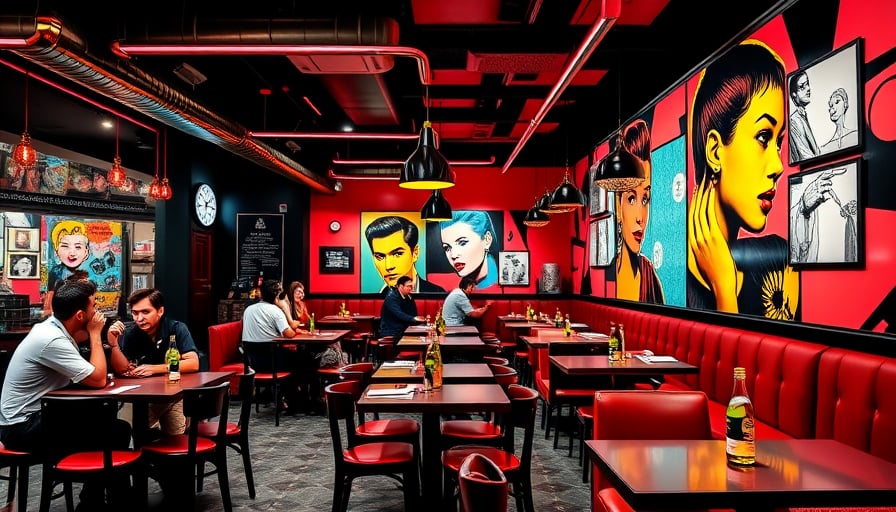
Consumer expectations are evolving beyond the food itself. Modern diners seek immersive environments, curated themes, and seamless service that create memorable moments. Darden’s emphasis on refurbishing its flagship concepts and investing in experiential design—such as incorporating local art, seasonal décor, and interactive menu elements—positions the company to attract repeat business and drive word‑of‑mouth marketing. These experiential upgrades are expected to elevate the perceived value of each visit, allowing for a modest price premium that can translate into higher margins.
Forward‑Looking Analysis
Institutional investors’ renewed interest, coupled with analyst upgrades, suggests that the market is increasingly confident in Darden’s capacity to leverage demographic shifts and cultural trends. The firm’s dual strategy—enhancing digital capabilities while refining the in‑store experience—provides a robust framework for capturing the growing appetite for convenience, personalization, and authenticity in dining.
From a macroeconomic perspective, the consumer discretionary sector has shown resilience amid fluctuating economic conditions. Darden’s diversified brand portfolio, combined with a disciplined cost‑control program and strategic investment in technology, offers a compelling value proposition for investors seeking exposure to the evolving dining landscape. As the company continues to innovate at the nexus of digital and physical retail, it stands poised to convert societal changes into tangible market opportunities.