Corporate Analysis: Darden Restaurants Inc. Navigates Value‑Driven Growth and Digital Engagement
Darden Restaurants Inc. (NYSE: DRR) has announced a series of operational initiatives aimed at reinforcing its market position amid a challenging macroeconomic backdrop. By deploying a value‑centric menu strategy, launching a time‑limited digital engagement program, and tightening its cost structure, the company seeks to balance profitability with consumer expectations for affordability and convenience.
Value‑Oriented Menu Expansion
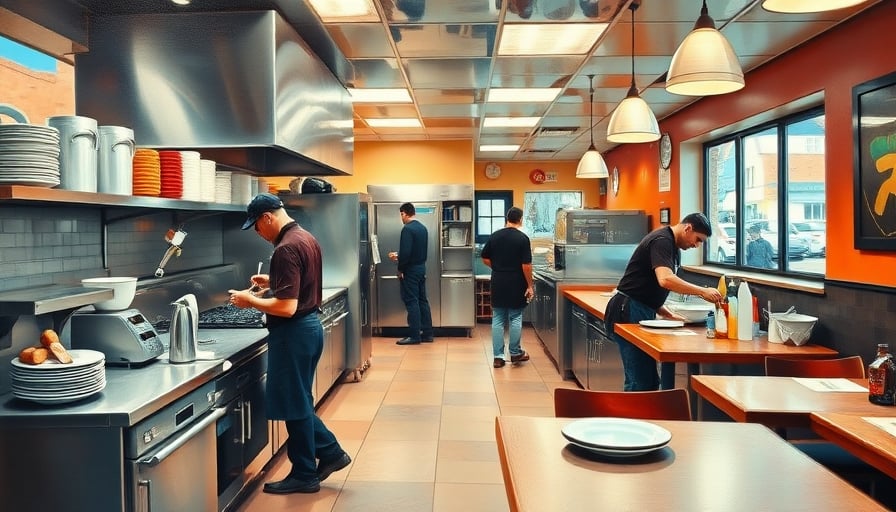
Strategic Rationale Darden’s new “value‑oriented meals”—larger portions and bundled options—represent a direct response to a broader industry shift. Rising commodity costs and heightened price sensitivity among consumers have pushed restaurant operators toward menu pricing that signals cost efficiency. By offering perceived greater value, Darden intends to sustain traffic levels while mitigating the impact of inflation on average order value (AOV).
Financial Implications Preliminary data from the company’s recent earnings call indicates a 4.2 % increase in foot traffic at participating locations, yet the lift in revenue was only 1.5 %. This discrepancy suggests that while customers are drawn by the promotional pricing, their AOV remains largely unchanged. The company’s gross margin has held steady at 56.8 %, implying that the cost of goods sold (COGS) was effectively managed during the rollout. However, analysts note that sustained profitability will hinge on whether the menu simplification can lower per‑unit costs without eroding perceived quality.
Competitive Landscape Comparable chains such as Chipotle and Panera Bread have introduced “value bundles” with mixed success. Chipotle’s “Chipotle 5‑$ Meal” saw a temporary spike in sales but suffered a subsequent decline as customers shifted to lower‑priced competitors. Darden’s diversified brand portfolio—comprising Olive Garden, LongHorn Steakhouse, and others—provides a cushion, yet the risk remains that consumers may gravitate toward fast‑casual outlets offering lower price points.
Digital Engagement Campaign
Program Overview The newly launched mobile‑centric contest offers time‑limited contests and rewards, aimed at increasing traffic to Darden’s mobile ordering platforms. Early feedback highlights modest upticks in app downloads (+6 %) and order frequency (+2 %) during the pilot period.
Market Research Industry surveys report that 58 % of diners now use mobile apps for ordering, yet the conversion rate from download to repeat order is only 22 %. Darden’s campaign attempts to elevate this figure by creating experiential incentives. Yet, the immediate impact on sales figures remains muted, suggesting either a lag in consumer behavior change or insufficient promotional reach.
Risk Assessment The digital strategy carries multiple risks:
- Customer Acquisition Cost (CAC): Expanding mobile engagement increases CAC, especially if rewards are costly.
- Platform Dependence: Overreliance on mobile apps may alienate segments less tech‑savvy.
- Data Security: Higher user engagement amplifies exposure to data breaches—an area where the company must remain vigilant.
Cost Structure and Supply‑Chain Efficiencies
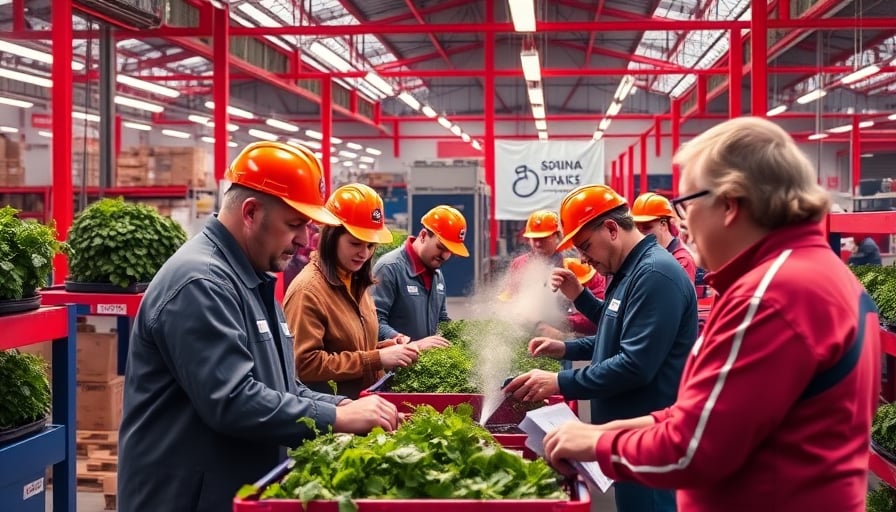
Operational Focus Management’s emphasis on “streamlined procurement and menu simplification” is designed to trim operating expenses. The company reports a 2.3 % reduction in operating expenses year‑over‑year, attributable to consolidated supplier contracts and ingredient standardization across its brands.
Supply‑Chain Dynamics The restaurant industry has historically faced volatile commodity prices—particularly poultry, beef, and produce. Darden’s approach to negotiate multi‑year contracts with key suppliers could provide price stability; however, it also introduces contractual rigidity that may limit flexibility in responding to sudden market shifts. Moreover, the global supply chain disruptions witnessed in 2023 and 2024 raise questions about contingency planning and inventory buffers.
Opportunity Window A focused investment in data‑driven inventory management—leveraging predictive analytics—could yield further savings by reducing waste. The company’s current trajectory suggests potential for incremental margin improvements if these technologies are adopted systemically.
Investor Sentiment and Market Response
Stock Performance Since the announcement of these initiatives, Darden’s share price has traded within a narrow band, reflecting a “neutral” market sentiment. The broader restaurant sector has exhibited mixed reactions to similar promotional efforts, with some peers experiencing significant upside while others saw negligible impact. Analysts attribute the muted response to Darden’s balanced approach: value offerings mitigate price erosion risk, while digital engagement seeks to foster loyalty without cannibalizing sales.
Valuation Outlook At a current price‑to‑earnings (P/E) ratio of 15.7, Darden trades at a discount relative to the sector median (17.4). This suggests room for upside if the company can translate its operational improvements into sustained revenue growth. Conversely, if the digital engagement and value menu initiatives fail to drive a lasting lift in AOV, the stock may face downward pressure.
Conclusion
Darden Restaurants Inc. is navigating a complex intersection of consumer affordability demands, digital transformation, and supply‑chain pressures. While its current initiatives exhibit thoughtful alignment with market trends, several underlying risks—such as limited immediate revenue impact from value menus, modest gains from digital engagement, and supply‑chain inflexibility—warrant close monitoring. Investors and stakeholders should scrutinize forthcoming quarterly reports for evidence of sustained margin expansion and increased order frequency before committing to a bullish stance on the company’s trajectory.