
Corporate Implications of a Health‑Driven Shift in Food Consumption
The outbreak of Cyclospora—first identified in July—has reverberated across the quick‑service restaurant sector, underscoring the nexus between public health events, consumer confidence, and corporate strategy. Health officials in Michigan reported that the parasite, frequently found on lettuce, has reached record levels this year, including the state’s first deaths linked to the infection. Federal investigations traced the outbreak to iceberg lettuce supplied by a Mexican producer that also feeds several fast‑food chains, notably Yum Brands’ Taco Bell. While no direct causal link to Chipotle Mexican Grill has been established, the company’s shares have declined alongside those of other operators serving salads, reflecting a broader erosion of consumer trust in leafy greens.
Digital Transformation Meets Physical Retail
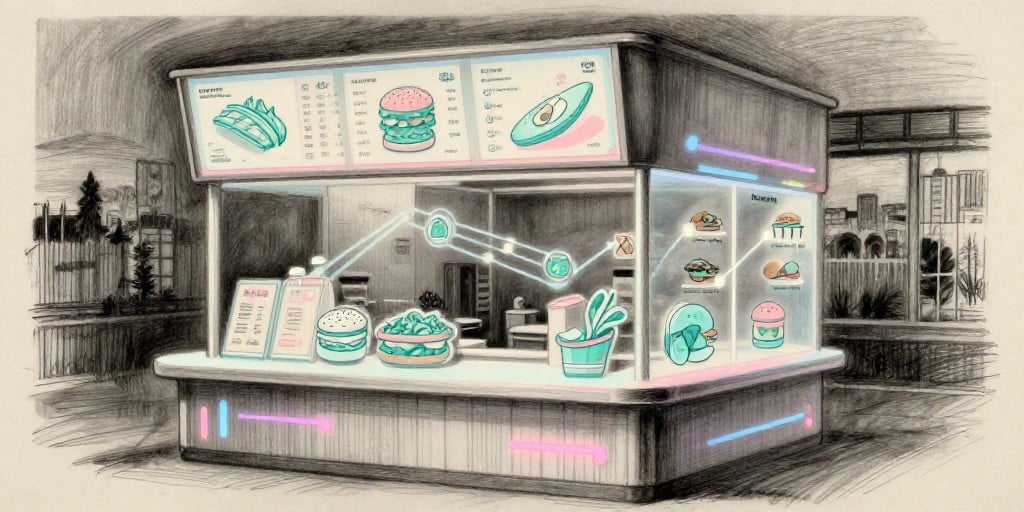
The crisis has accelerated a digital transformation that many retailers and restaurants have already begun to adopt. Online ordering platforms and contactless payment systems have become more than conveniences; they are now seen as trust‑building mechanisms. Restaurants that traditionally relied on in‑person salad service are pivoting to a hybrid model: expanding curb‑side pick‑up for fresh produce‑free items and promoting digital menus that flag safe ingredients. This shift aligns with a generation increasingly comfortable with mobile commerce, yet still valuing the tactile experience of a well‑crafted salad on the table. Companies that can seamlessly blend digital assurance (e.g., real‑time supply‑chain tracking) with physical retail are poised to capture both safety‑concerned and convenience‑driven customers.
Generational Spending Patterns and the New Consumer Experience
Millennials and Gen Z—who together constitute a sizable portion of the fast‑service restaurant customer base—prioritize authenticity, sustainability, and health consciousness. The Cyclospora outbreak has amplified their skepticism toward produce perceived as risky. As a result, chains are re‑engineering their menu offerings to emphasize plant‑based proteins and pre‑packaged salads that can be traced through digital supply‑chain tools. This trend dovetails with the rise of “food as a service” models, where subscription‑based meal kits and digital delivery of prepared meals are expanding. Firms that can align their physical retail footprint with robust digital back‑ends will likely outperform those that remain siloed.
Market Opportunities and Forward‑Looking Analysis
Supply‑Chain Transparency Solutions Companies that provide end‑to‑end traceability—leveraging blockchain or IoT sensors—will become integral partners for retailers. The heightened scrutiny of lettuce and other produce creates a premium market for certification and real‑time risk monitoring.
Health‑Focused Product Development The decline in salad patronage opens a niche for ready‑to‑eat, pre‑washed, and pre‑cut produce options that can be marketed as “safety‑verified.” Brands that can position these products within a digital framework (e.g., QR codes linking to safety audits) will capture consumer attention.
Digital Loyalty Programs Loyalty programs that reward safe‑food choices or that provide personalized nutrition advice can re‑engage customers who have drifted away from traditional salad offerings. The integration of data analytics will allow firms to predict and respond to shifting tastes at a generational level.
Hybrid Physical‑Digital Store Formats Experiential retail—where customers can observe the preparation of food, engage with digital menus, and receive instant feedback on safety protocols—will become a differentiator. Retailers that blend experiential elements with digital convenience can attract the health‑conscious, tech‑savvy demographic.
Investor Re‑calibration of Growth Metrics The variability in Chipotle’s revenue growth, as highlighted in recent earnings reports, signals a broader trend: investors are increasingly weighing resilience to public‑health shocks alongside traditional growth indicators. Firms that demonstrate robust crisis management and proactive consumer communication will likely see more favorable valuations.
Conclusion
The Cyclospora outbreak has acted as a catalyst, accelerating shifts that were already underway in the consumer sector. Digital transformation, when coupled with a renewed focus on physical retail safety, creates a fertile environment for innovative business models. Companies that can harness technology to restore confidence, adapt their product offerings to evolving generational preferences, and deliver enriched consumer experiences will convert societal changes into tangible market opportunities.