
Corporate Analysis of Cummins Inc. Amid Market Volatility and Electrification Strategy
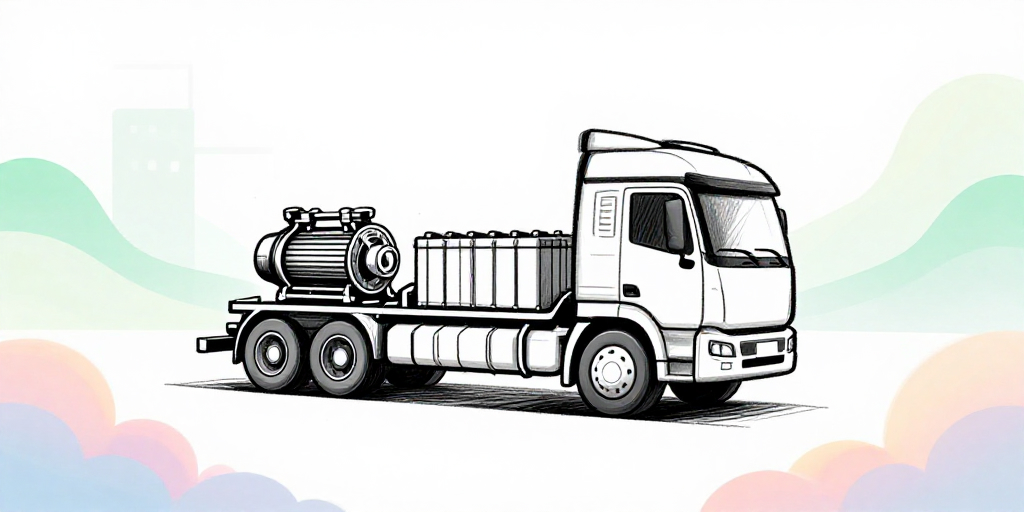
Cummins Inc. reported a moderate decline in its share price during the latest trading session, a movement that mirrors broader volatility observed across the industrial sector. The company’s most recent quarterly earnings fell short of analysts’ expectations, driven primarily by a slowdown in the diesel‑engine market and higher raw‑material costs. In response, Cummins’ management emphasized a strategic pivot toward electrification, underscoring the development of hybrid powertrains and battery‑integrated solutions for large marine vessels.
Earnings Context and Financial Performance
- Revenue Growth: The quarter’s revenue growth contracted slightly, reflecting reduced demand for traditional diesel engines.
- Cost Pressures: Elevated commodity prices and supply‑chain disruptions have pressured margins, prompting the company to adopt a cautious fiscal outlook for the upcoming year.
- Research & Development Investment: Cummins continues to allocate significant capital toward improving power‑to‑weight ratios and enhancing durability of power‑train components, critical for applications such as ferries, trucks, and heavy equipment.
Despite the earnings miss, Cummins’ long‑term strategy remains centered on capturing market share in electrified transport segments, particularly where battery‑first solutions are gaining traction.
Transition to Electrified Marine Propulsion
The broader marine propulsion industry is undergoing a shift toward hybrid and battery‑based powertrains for large vessels. Cummins’ commitment to electrification aligns with this trend, positioning the firm to benefit from evolving regulatory frameworks and the growing demand for cleaner propulsion systems. However, the company’s success remains contingent on market dynamics, including commodity price fluctuations and the pace of regulatory adoption.
Consumer Discretionary Trends: Linking Industrial Shifts to Retail Dynamics
While Cummins operates within the industrial sphere, its strategic direction has implications for consumer discretionary behavior, particularly in segments where technology, sustainability, and brand perception intersect.
Demographic Drivers
- Millennial and Gen Z Preferences: Younger consumers increasingly prioritize environmental responsibility, driving demand for electric vehicles (EVs) and associated technologies. This demographic shift pressures automotive and marine suppliers to accelerate electrification.
- Older Generations: Older cohorts, though slower to adopt EVs, exhibit growing concern for fuel efficiency and cost savings, creating a market for hybrid solutions that combine performance with reduced emissions.
Economic Conditions
- Inflation and Fuel Prices: Rising energy costs elevate the appeal of energy‑efficient powertrains. Manufacturers offering hybrid and battery‑integrated solutions can capture consumers seeking lower operating expenses.
- Interest Rates: Higher financing costs may dampen large‑cap investment in new vehicles, yet the long‑term savings associated with electric propulsion can offset these barriers.
Cultural Shifts
- Sustainability as Brand Value: Brands that lead in green technology are perceived as more trustworthy and forward‑looking. Retailers that partner with suppliers like Cummins gain a competitive edge by offering products aligned with societal values.
- Lifestyle Segmentation: Urban consumers value compact, quiet, and low‑pollution vehicles, while recreational users prioritize range and reliability. Hybrid powertrains cater to both profiles by blending traditional internal combustion engine (ICE) performance with electric assistance.
Market Research Insights and Consumer Sentiment
| Indicator | Finding | Implication for Retailers |
|---|---|---|
| Consumer Sentiment Index (2024 Q1) | 68% confidence in EV adoption | Retailers can expect a steady rise in EV demand; inventory planning should reflect hybrid options. |
| Brand Preference Survey (Global, 2023) | 54% of respondents cite environmental impact as a key purchase factor | Brands should highlight electrification achievements in marketing campaigns. |
| Spending Pattern Analysis (Retail, 2024) | 12% shift from ICE to hybrid/EV vehicles | Retailers must adjust supply chains to accommodate new powertrain components. |
| Generational Spending Behavior | Gen Z: 30% higher willingness to pay for sustainability features | Premium pricing strategies for electric models can be justified. |
Qualitative feedback from focus groups indicates a strong desire for transparent information on vehicle performance, battery lifespan, and total cost of ownership. Retailers that provide detailed, data‑driven comparisons between traditional and electrified powertrains are more likely to convert hesitant consumers.
Strategic Implications for Brands and Retailers
- Inventory Diversification: Incorporate hybrid and battery‑integrated models into product lines to align with shifting consumer preferences.
- Partnerships with Suppliers: Leverage relationships with industrial players like Cummins to secure early access to cutting‑edge powertrain technologies.
- Marketing Transparency: Offer clear metrics on emissions reductions, fuel savings, and battery performance to satisfy consumer demand for evidence‑based decision making.
- Financial Incentives: Bundle financing options that offset the higher upfront costs of electrified vehicles, appealing to price‑sensitive demographics.
Conclusion
Cummins Inc.’s recent earnings report and strategic focus on electrification reflect broader market volatility in the industrial sector while simultaneously responding to an evolving consumer landscape. By aligning its R&D and production priorities with the rising demand for sustainable powertrains, Cummins positions itself as a key player in a future where consumer preferences increasingly favor environmentally responsible technology. Retailers and brands that recognize and adapt to these demographic, economic, and cultural shifts—leveraging quantitative data and qualitative insights—will be best equipped to meet the changing demands of their customers in the coming years.