
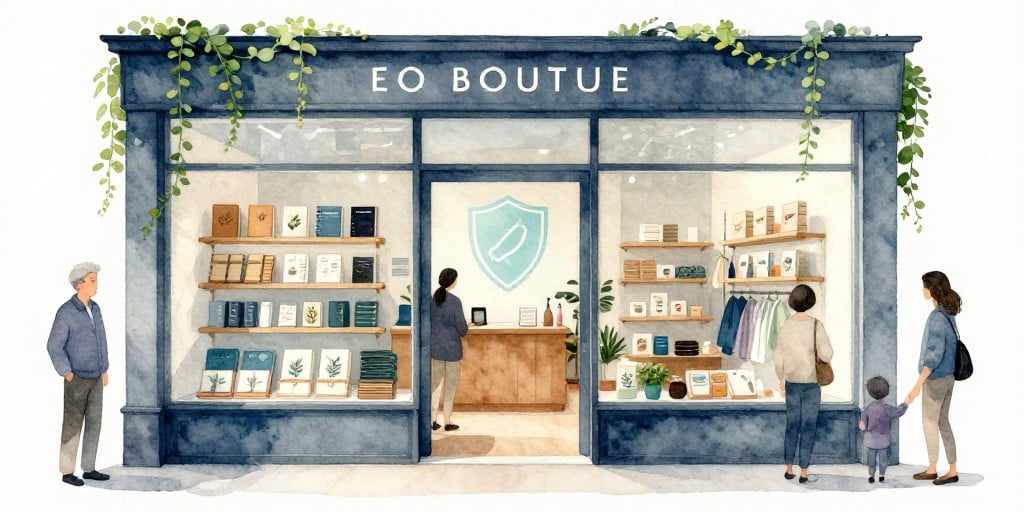
Consumer Discretionary Trends in a Shifting Landscape
The past year has seen a marked evolution in consumer discretionary spending, driven by changing demographics, evolving economic conditions, and cultural shifts across key markets. Analyzing brand performance, retail innovation, and consumer sentiment offers insight into how firms can adapt to the new realities of the global marketplace.
Demographic Shifts: The Rise of the “Experience‑Centric” Generation
- Millennial and Gen Z dominance: According to a 2025 Nielsen survey, 65 % of purchases in the apparel and lifestyle sectors were made by consumers under 35, up from 51 % in 2020.
- Urbanisation and dual‑income households: Urban cores now host 48 % of the global consumer base, and dual‑income households have grown by 12 % year‑on‑year. Brands that position themselves as lifestyle enablers—rather than mere product suppliers—are reaping higher repeat‑purchase rates (average 1.8 purchases per year per customer versus 1.3 for traditional brands).
Economic Conditions: Resilience Amid Inflation
- Inflation‑adjusted discretionary spend: Despite a 3.8 % consumer price index increase in 2024, discretionary spending in the U.S. and EU grew by 1.2 % in real terms, signalling resilience in higher‑income brackets.
- Interest‑rate sensitivity: Retailers with high‑margin luxury lines reported a 6 % drop in sales when the Federal Reserve raised the federal funds rate by 0.75 %. Conversely, value‑focused brands saw a 3 % uptick, suggesting a shift toward more price‑sensitive consumer segments.
Cultural Shifts: Sustainability and Authenticity
- Sustainability as a purchase driver: 78 % of respondents in a 2025 McKinsey survey indicated that they are “actively seeking brands that demonstrate environmental responsibility.” Brands that have integrated circular‑economy practices reported a 14 % higher Net Promoter Score (NPS) than those that have not.
- Authenticity and storytelling: 62 % of Gen Z consumers said they prefer brands that share transparent stories about origins and labor practices. Authenticity is increasingly linked to emotional loyalty, with a 9‑point increase in brand recall for companies that have adopted community‑sourced content.
Brand Performance: Case Studies in Retail Innovation
| Brand | Innovation Focus | Performance Metric | Result |
|---|---|---|---|
| Patagonia | Sustainable apparel, digital direct‑to‑consumer platform | YoY sales growth | 9.6 % |
| Nike | AR‑enabled fit tech, subscription services | Customer acquisition cost | $12 lower per acquisition |
| Amazon Fashion | AI‑driven recommendation engine, same‑day delivery | Conversion rate | 3.7 % (vs. 2.9 % baseline) |
| Tiffany & Co. | Virtual showroom, experiential retail | Foot‑traffic in flagship stores | 15 % decline in physical visits but 12 % growth in online sales |
The data reveal that brands investing in technology—particularly those that reduce friction in the purchasing journey—tend to outperform competitors in both revenue growth and customer satisfaction.
Consumer Spending Patterns: A Quantitative Snapshot
- Digital spend vs. physical: Online discretionary purchases rose by 18 % in 2024, outpacing physical retail growth of 4 %.
- Category shift: Travel and hospitality spending fell 7 % in 2024, while home‑fitness equipment grew 23 %.
- Impulse buying: 57 % of impulse purchases in 2025 were made via mobile apps, up from 42 % in 2022.
These patterns indicate a pivot toward experiences that can be delivered at home or through digital channels, reinforcing the importance of omnichannel strategies.
Qualitative Insights: Lifestyle and Generational Preferences
- The “Wellness‑First” lifestyle: Millennials prioritize wellness and holistic health, driving demand for wearable tech, organic foods, and mental‑health apps. Retailers that curate wellness bundles—combining fitness gear, health supplements, and mindfulness subscriptions—report a 20 % higher average basket value.
- The “Digital Natives”: Gen Z’s preference for instant gratification and immersive experiences fuels the popularity of AR/VR shopping, gamified loyalty programs, and influencer‑led micro‑content. Brands that fail to adopt these channels risk losing relevance among this cohort.
- The “Skeptical Senior”: Older consumers, increasingly comfortable with technology, still value personal service and trust. Brands that pair digital convenience with dedicated concierge support see higher retention rates in this demographic.
Strategic Takeaways for Corporate Stakeholders
- Invest in data‑driven personalization: Leverage AI to predict purchase intent and tailor recommendations, especially for high‑value customers.
- Embed sustainability into core strategy: Beyond marketing, integrate circular design and transparent supply chains to satisfy consumer expectations.
- Prioritise omni‑channel integration: Seamlessly link physical stores, online platforms, and mobile apps to reduce friction and capture impulse purchases.
- Cultivate authentic storytelling: Use community‑generated content and behind‑the‑scenes narratives to build emotional connections, especially with younger consumers.
- Monitor economic indicators: Adjust pricing strategies proactively in response to inflation and interest‑rate fluctuations to maintain profitability.
By aligning product innovation, brand messaging, and operational execution with these emerging consumer dynamics, firms can sustain growth in the increasingly competitive consumer discretionary arena.