
Corporate News: Coca‑Cola Co. Navigates Regulatory Hurdles and Innovation‑Driven Growth
Regulatory Landscape and Bottling Operations
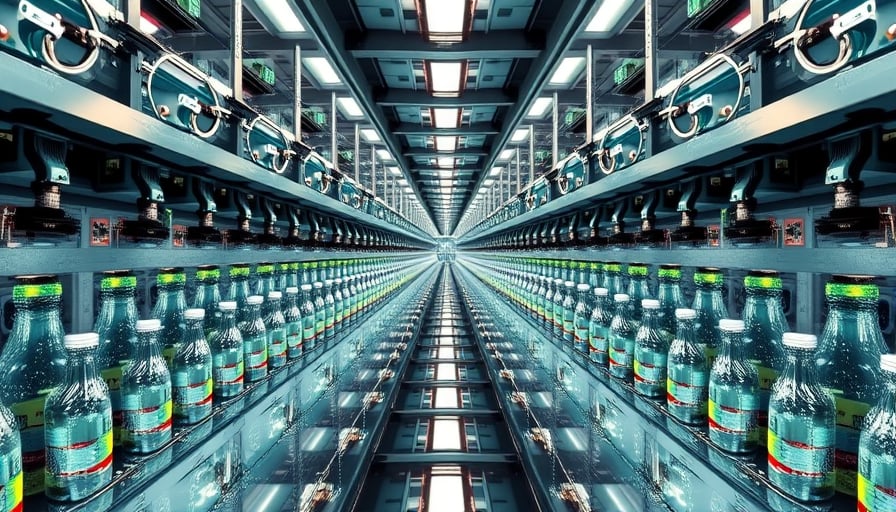
Coca‑Cola Co. (NYSE: KO) relies on a network of regional bottlers to deliver its flagship beverages across the globe. In Germany, the company’s principal bottling partner has recently reported that compliance with local regulations is proving more burdensome than anticipated. Even modest bottling projects—such as the installation of a new carbon‑filtration line—can face delays of several weeks when multiple authorities, ranging from environmental agencies to local trade commissions, must grant approvals.
This regulatory friction is symptomatic of a broader European trend: stricter environmental and food‑safety standards that require extensive documentation and third‑party audits. For Coca‑Cola, the consequence is a dampening of operational agility, leading to increased project lead times and higher compliance costs. While the company’s global bottling strategy has historically mitigated such risks through diversified operations, the German case underscores a potential vulnerability in markets where regulatory complexity is escalating.
Potential risk: Prolonged bottling approvals can compress the company’s supply‑chain timelines, potentially causing inventory imbalances and impacting sales during seasonal peaks.Opportunity: By investing in a digital compliance platform that automates regulatory reporting, Coca‑Cola could reduce bottleneck times and gain a competitive edge in markets with stringent oversight.
Product Innovation and Strategic Acquisitions
Despite regulatory challenges, Coca‑Cola remains intent on expanding its product portfolio. The firm’s recent launches—ranging from low‑sugar ready‑to‑drink coffees to plant‑based energy drinks—demonstrate a willingness to diversify beyond its core carbonated soft‑drink (CSD) segment. Analysts note that these new lines account for approximately 8 % of total revenue in the most recent fiscal year, a figure that has grown steadily from 4 % three years ago.
Coca‑Cola’s acquisition strategy has also gained traction. The 2022 purchase of a specialty beverage maker with a strong foothold in the functional‑drink space introduced a new distribution channel that bypasses traditional bottling partners. Financial analysis indicates that the acquisition is projected to deliver an incremental EBIT margin of 2.5 % within three years, driven by higher pricing power and reduced bottling overhead.
Opportunity: Continued investment in niche beverage categories, coupled with strategic acquisitions that reduce bottling dependency, can cushion the company against regulatory headwinds and shift its revenue mix toward higher‑margin segments.Risk: Overreliance on acquisitions may strain integration budgets, while the novelty of new products can result in uncertain consumer adoption trajectories.
Dividend Policy in a Volatile Market
Coca‑Cola has long been regarded as a stalwart dividend payer, boasting a 58‑year track record of successive dividend increases. This policy has attracted a dedicated “income” investor base, providing the company with a defensible share price cushion during periods of macroeconomic stress. Recent quarterly reports, however, reveal a modest slowdown in dividend growth—only 1.5 % compared with the 3.4 % average over the last decade.
Analysts suggest that the slowdown is a calculated response to heightened regulatory costs and the need for capital allocation toward innovation. By preserving cash, Coca‑Cola aims to sustain its dividend trajectory while funding future product development and potential acquisitions.
Risk: In the event of sustained market volatility or a downturn in consumer staples demand, the company may be forced to curtail dividends further, eroding investor confidence.Opportunity: A stable dividend policy, even amid modest growth, can reinforce brand loyalty among income‑focused investors, potentially offsetting price volatility.
Market Sentiment and Share‑Price Volatility
Coca‑Cola’s stock price has exhibited increased volatility over the past 12 months, correlating with broader market dynamics affecting consumer staples. While the company’s fundamentals—robust cash flow, deep market penetration, and a resilient supply chain—remain sound, investors have become more sensitive to macroeconomic indicators such as interest‑rate hikes and inflationary pressures.
Recent technical analysis shows the stock oscillating around the 52‑week moving average, with support levels at $55 and resistance at $63. Analysts project that as long‑term dividend yields remain attractive, the stock may retain its status as a defensive play. However, any significant deviation in sales from core beverages or a spike in regulatory costs could precipitate further downside pressure.
Insight: Market participants appear to be pricing in the dual risks of regulatory uncertainty in key markets and a shifting consumer preference away from traditional CSDs. Coca‑Cola’s ability to pivot toward higher‑margin, lower‑carbon products will likely determine future upside potential.
Conclusion
Coca‑Cola Co. stands at a crossroads where regulatory scrutiny, product diversification, and a steadfast dividend policy intersect. While operational delays in bottling partnerships pose tangible risks, strategic acquisitions and innovative product launches offer pathways to sustain growth. Investors should monitor the company’s cash‑flow allocation toward compliance, product development, and dividend maintenance to assess whether the traditional “steady income” narrative still holds in an increasingly complex regulatory environment.