
Corporate News Analysis
Coca‑Cola’s recent earnings beat and accompanying market rally have sparked a reevaluation of its valuation narrative. While the company has long been perceived as a classic dividend‑stock, the sustained profit growth and upside in the last quarters suggest that investors are increasingly viewing it through a growth‑oriented lens. This shift is not merely financial; it reflects broader consumer‑centric trends that are reshaping the retail and consumer‑goods landscape.
Digital‑Physical Synergy in Retail
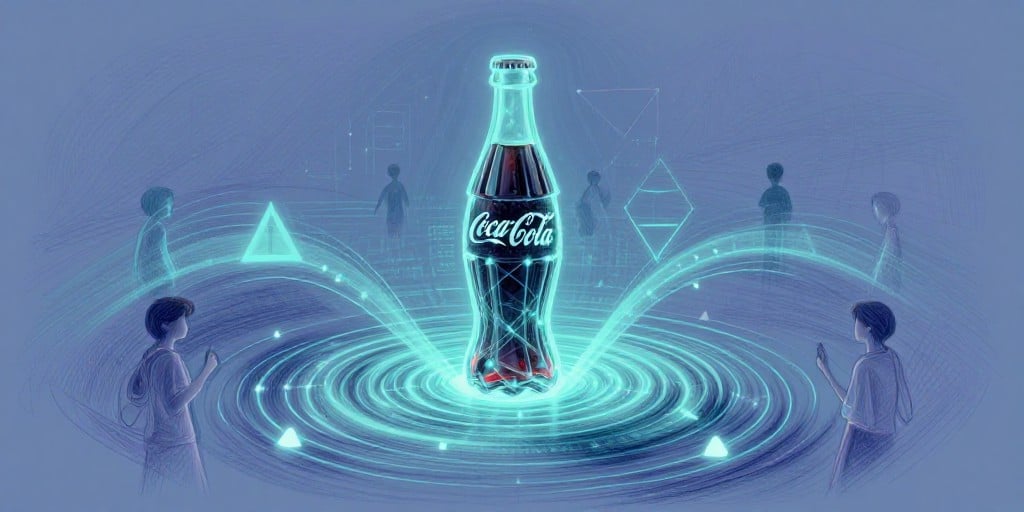
The beverage titan’s partnership with an AI‑driven retail‑execution platform demonstrates a commitment to blending digital intelligence with on‑the‑ground retail. The platform uses real‑time data to optimize shelf placement, inventory levels, and promotional tactics across thousands of outlets. For consumers, this translates into a more personalized and seamless shopping experience: products appear exactly where they are needed, promotions align with individual buying habits, and stockouts are minimized.
For retailers, the technology offers a competitive edge by turning point‑of‑sale data into actionable insights. It also reduces operational costs, a key benefit in an industry that faces thin margins and rising supply‑chain pressures. The partnership signals that Coca‑Cola is not content with passive distribution; it is actively shaping the customer journey through technology.
Generational Spending Patterns
The convergence of digital and physical retail is especially resonant with Generation Z and Millennials, who prioritize convenience, authenticity, and experience over traditional brand loyalty. These cohorts spend less on high‑priced luxury goods and more on everyday essentials that deliver perceived value and align with personal values such as sustainability and health. Coca‑Cola’s move toward data‑enabled marketing positions it to tap into this demographic’s purchasing habits—by tailoring messaging, product placement, and limited‑edition releases that resonate with their lifestyle narratives.
Moreover, the younger generation’s comfort with technology means they are more receptive to AI‑powered retail innovations. As such, Coca‑Cola’s collaboration with a retail‑execution platform may serve as a proof‑point for other consumer‑goods companies seeking to capture this audience. The company’s ability to translate data insights into tangible marketing actions could become a differentiator in a crowded market.
Cultural Movements and Brand Evolution
Contemporary culture increasingly rewards brands that demonstrate social responsibility and inclusivity. Coca‑Cola’s focus on brand execution—through strategic partnerships, innovative packaging, and community‑centric initiatives—positions it well to meet these expectations. The integration of AI technology further amplifies the brand’s capacity to deliver timely, relevant messaging that aligns with cultural conversations.
At the same time, the beverage giant must navigate the risk of over‑reliance on technology. Maintaining human touch points—such as store‑level employee engagement and local sponsorships—remains essential for fostering genuine consumer relationships. Striking the right balance between automation and human interaction will be key to sustaining long‑term brand equity.
Market Opportunities Ahead
Data‑Enabled Product Development Leveraging point‑of‑sale analytics can identify emerging taste preferences or unmet niche markets. Rapid product iteration, supported by AI insights, could open new revenue streams faster than traditional R&D cycles.
Targeted Pricing and Promotions Dynamic pricing models informed by real‑time demand data can maximize margin without eroding brand perception. This is particularly attractive in a market where price sensitivity is high among younger consumers.
Supply‑Chain Resilience AI‑driven forecasting reduces stockouts and overstock scenarios, enhancing consumer satisfaction and lowering disposal costs. This operational efficiency can translate into a more agile response to macroeconomic volatility.
Cross‑Channel Synergies Integrating online and offline touchpoints—through click‑and‑collect, mobile‑app‑based loyalty programs, and augmented‑reality experiences—can deepen consumer engagement and increase basket size.
Conclusion
Coca‑Cola’s recent trajectory illustrates how a legacy consumer‑goods company can reinvent itself by embracing digital transformation while retaining its core strengths in brand management. The intersection of data‑enabled retail, evolving generational spending, and cultural relevance is generating a new growth paradigm. Investors and industry observers should view Coca‑Cola not merely as a dividend‑payer but as a forward‑looking entity poised to capitalize on the next wave of consumer‑experience innovation.