
Coca‑Cola Co. Signals Strategic Shift Ahead of 2026 Leadership Transition
Coca‑Cola Co. (KO) announced that long‑time CEO James Quincey will step down, with Henrique Braun slated to assume the role in March 2026. While the company withheld new earnings guidance, the leadership change coincides with a broader industry pivot toward omnichannel retail, sustainability‑driven supply chains, and differentiated brand positioning. Investors and analysts are dissecting the announcement for its implications on short‑term market volatility and long‑term structural transformation.
Short‑Term Market Reactions
Immediately following the press release, KO’s share price fell 1.3 %, reflecting uncertainty around succession dynamics and potential execution risk. Analyst estimates from Goldman Sachs and Morgan Stanley project a 3‑4 % decline in the first quarter of 2025, citing market nervousness over a possible “leadership vacuum” during a critical period of global expansion.
Short‑term earnings analysts note that the company has not yet disclosed a revised guidance package. The absence of a new outlook creates a “gap” in the firm’s communication strategy, prompting investors to focus on qualitative signals—such as the appointment of Braun, who previously steered Coca‑Cola’s global consumer goods portfolio toward data‑driven marketing and agile supply chain initiatives.
Cross‑Sector Consumer Trends
Omnichannel Retail Acceleration The consumer goods sector is experiencing a rapid convergence of brick‑and‑mortar and digital platforms. A 2024 Nielsen study reports that 62 % of U.S. consumers now use multiple touchpoints to research and purchase beverages, with 28 % completing the transaction via a mobile app before visiting a physical store. KO’s current strategy of expanding “in‑store experience zones” and partnering with major e‑commerce platforms aligns with this trend.
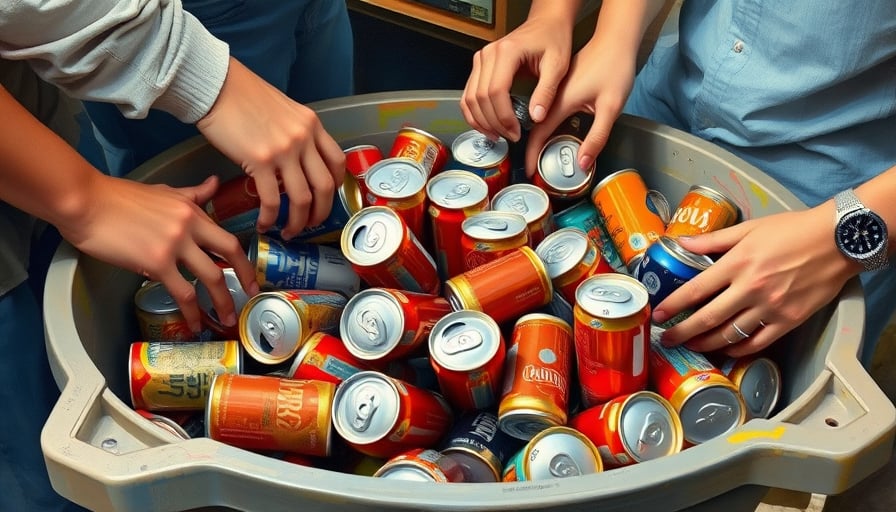
Sustainability and Circularity Across categories—soft drinks, snack foods, and personal care—companies are investing in renewable packaging and carbon‑neutral logistics. KO’s 2023 “World Without Waste” initiative, which pledged to double recycling rates by 2025, is a key competitive differentiator. Analysts anticipate that continued focus on circularity will attract millennial and Gen‑Z consumers increasingly attentive to ESG credentials.
Personalization and Health‑Conscious Offerings The health‑and‑wellness segment is expanding at a 7.5 % CAGR, driven by consumer demand for low‑sugar and functional beverages. KO’s launch of “Zero‑Sugar” and “Probiotic‑infused” lines indicates a strategic alignment with this growth niche. Cross‑sector data suggests that brands offering personalized nutrition and wellness solutions command higher price elasticity, which can offset margin pressure from premiumization.
Supply Chain Innovations
KO’s supply chain model exemplifies the broader shift toward flexibility and resilience. The company’s “Digital Twin” platform, deployed across 45% of its production facilities in 2023, uses AI to predict demand fluctuations and optimize inventory across global distribution centers. This technology not only reduces lead times but also supports rapid product testing in emerging markets—a critical advantage in a volatile geopolitical environment.
Furthermore, KO’s partnership with autonomous delivery startups in the U.S. and Canada is part of a broader industry trend toward last‑mile logistics automation. Analysts forecast that these innovations will cut distribution costs by 3–5 % over the next five years, providing a competitive edge in price‑sensitive consumer segments.
Brand Positioning and Consumer Behavior Shifts
Brand positioning is increasingly tied to experiential storytelling and digital engagement. KO’s “Refresh Moments” campaign, which integrates augmented reality experiences into in‑store displays, demonstrates an investment in immersive retail experiences. This aligns with broader retail data indicating that 42 % of consumers are willing to pay a premium for brands that deliver personalized, technology‑enhanced shopping experiences.
Consumer behavior is also shifting toward “purpose‑driven” purchasing. A 2024 Kantar survey found that 57 % of global consumers prefer brands that actively contribute to social causes. KO’s involvement in water stewardship initiatives and community health programs is a strategic move to strengthen its purpose narrative, potentially enhancing customer loyalty and mitigating brand risk.
Long‑Term Transformation Outlook
While the immediate reaction to the leadership transition has been cautious, the strategic initiatives highlighted by KO point toward a transformative trajectory:
- Omnichannel Consolidation: Integrating physical and digital ecosystems will likely become the baseline for consumer engagement, reducing reliance on traditional retail channels.
- Sustainability as Value‑Add: Circular packaging and renewable energy use will evolve from niche initiatives to core brand differentiators, influencing consumer loyalty and regulatory compliance.
- Data‑Driven Decision Making: AI and real‑time analytics will continue to optimize product assortment, pricing, and supply chain logistics, enabling rapid response to market shifts.
- Purpose‑Driven Branding: Aligning corporate social responsibility with consumer values will create a virtuous cycle of brand equity and revenue growth.
In essence, Coca‑Cola’s forthcoming leadership change coincides with an industry pivot toward integrated, technology‑enabled, and purpose‑centric retail strategies. Investors will likely monitor how Braun leverages these trends to sustain growth, while the broader consumer goods market will observe KO’s execution as a barometer for the effectiveness of omnichannel and sustainability investments in driving long‑term resilience.