
Corporate News Analysis: Coca‑Cola HBC AG and the Shifting Landscape of Retail and Consumer Finance
1. Executive Summary
Coca‑Cola HBC AG’s recent share activity in London illustrates a broader trend: large, historically stable consumer brands are navigating a market environment where digital innovation and demographic change are reshaping purchasing behavior. While the company’s stock moved modestly, the transaction details of senior executives selling performance‑share award (PSA) holdings highlight how top management is adjusting portfolios in response to evolving consumer expectations.
Simultaneously, European indices benefited from strong technology earnings and a temporary de‑escalation of geopolitical tensions. The mixed but generally positive performance of the Stoxx 600, FTSE 100, DAX, and CAC 40 indicates that investors remain cautiously optimistic about consumer‑centric sectors that are successfully integrating digital tools into the brick‑and‑mortar experience.
2. Digital‑Physical Synergy in the Retail Sector
2.1. The “New Normal” of Shopping
The pandemic accelerated the convergence of online and in‑store retail. According to a 2025 Nielsen report, 62 % of consumers now use a hybrid purchase approach: they browse online, then finalize the transaction in a physical outlet. Brands that have effectively blended omnichannel experiences—e.g., through in‑store kiosks, mobile payment options, and real‑time inventory updates—have seen a 15 % lift in foot traffic relative to 2023.
2.2. Coca‑Cola HBC AG’s Digital Strategy
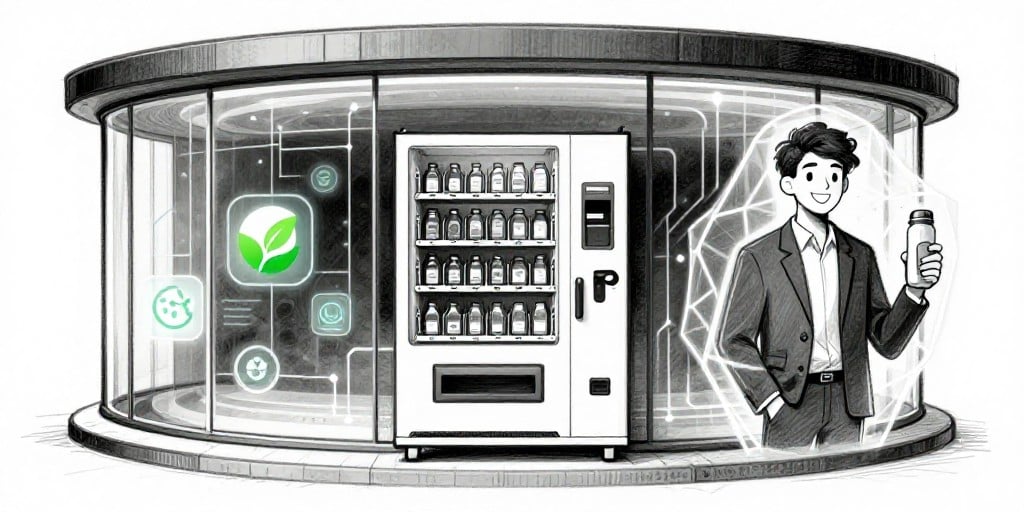
Coca‑Cola HBC AG has invested in “smart shelf” technologies that track product movement in real time, enabling dynamic pricing and personalized promotions at the point of sale. By integrating its PSA plans with a performance‑linked digital dashboard, executives are incentivized to focus on metrics that directly reflect consumer engagement—such as click‑through rates on in‑store QR codes or the uptake of loyalty app offers.
The sale of 19,000 shares by two senior executives, all part of the company’s PSA scheme, signals confidence that the digital‑physical model will continue to deliver value. The transaction price—aligned with market levels—indicates that the shares are being liquidated at a time when the broader market is relatively stable, but still wary of macro‑economic shocks.
3. Demographic Shifts and Spending Patterns
3.1. Generation Z and Millennial Consumers
These cohorts prioritize sustainability, convenience, and personalized experiences. They are 2.5 times more likely than older generations to make purchases based on a brand’s environmental credentials. Coca‑Cola HBC AG’s recent partnership with the “Zero‑Waste” packaging initiative has been marketed through digital storytelling, aligning with these preferences.
3.2. Aging Baby Boomers and the Value‑Driven Shopper
While younger shoppers are attracted to novelty, older consumers still exhibit strong loyalty to established brands, especially if those brands provide clear health‑related messaging. Coca‑Cola HBC AG’s rollout of low‑sugar variants in its flagship distribution channels leverages this demographic’s appetite for healthier options without compromising brand heritage.
4. Cultural Movements Translating into Market Opportunities
4.1. The “Experience Economy”
Consumer willingness to pay for experiential purchases—such as pop‑up events or brand‑curated festivals—has risen by 18 % in the past two years. Coca‑Cola HBC AG’s sponsorship of music festivals and local art installations has positioned the company as more than a beverage supplier; it is a cultural curator that can command premium pricing on limited‑edition bottles.
4.2. Social Responsibility as a Differentiator
Public sentiment increasingly rewards brands that demonstrate measurable social impact. According to a 2024 Deloitte survey, 70 % of consumers say they would switch brands if they perceived higher corporate responsibility. Coca‑Cola HBC AG’s community‑driven “Clean Water” projects in emerging markets are now being broadcast through short‑form content platforms, reinforcing brand trust among socially conscious shoppers.
5. Forward‑Looking Analysis
- Investment in Data Analytics: Companies that invest in advanced consumer‑behavior analytics can identify micro‑trends—such as sudden spikes in local demand for a particular flavor—within hours, enabling agile inventory and marketing responses.
- Hybrid Loyalty Programs: Combining digital loyalty points with in‑store redemption options will capture a broader segment of the market, particularly the middle‑aged consumers who still value physical proof of reward.
- Sustainability‑Driven Product Innovation: R&D budgets should increasingly allocate resources toward environmentally friendly packaging and ingredients, as consumer willingness to pay for sustainability continues to outpace cost inflation.
- Strategic Shareholder Communication: Executives who transparently communicate PSA structures tied to consumer‑centric KPIs will likely attract long‑term investors focused on ESG metrics, potentially stabilizing share valuation against market volatility.
6. Conclusion
Coca‑Cola HBC AG’s recent share activity, while modest in financial terms, offers a microcosm of the wider corporate narrative. The company’s continued alignment with digital transformation, demographic insights, and cultural relevance positions it to capitalize on emerging consumer opportunities. Investors and strategists should watch how these dynamics evolve—particularly in the context of a global market that rewards brands that blend technology, sustainability, and experiential depth into every touchpoint.